So you’ve fallen in love with wine season — maybe you’ve been to a tasting or two, or just found yourself lingering a little longer in the wine aisle. But let’s be honest if you’re new to the wine scene it can be overwhelming and for some intimidating. Between the French, the regions, the vintages, and the tasting notes, it sometimes feels like you need a mini degree just to pick a bottle. With a few key terms and a little decoding, you can read a wine label like a pro and actually understand what you’re sipping.
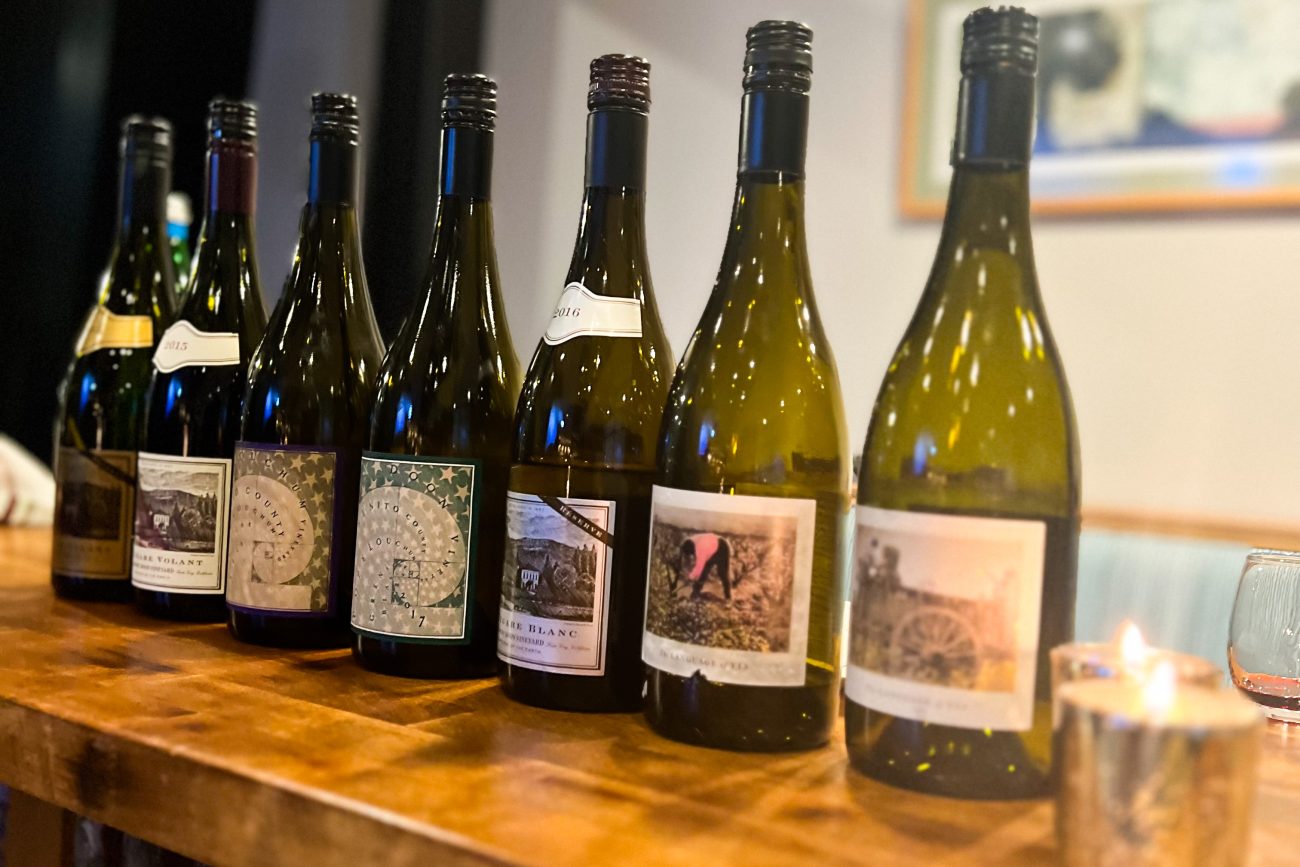
How to Read a Wine Label
Every bottle tells a story — you just need to know how to read it. Here’s what all that fancy text really means:
1. Producer or Winery Name
This is who made the wine — the brand or estate. Some are well-known (like Moët or Robert Mondavi), others are smaller vineyards that produce limited batches. Pro tip: smaller producers often make hidden gems worth discovering. Another tip, price often has nothing to do with the quality.
2. Vintage
The year the grapes were harvested. This can tell you a lot about the wine’s age and character. A younger wine might taste brighter and fruitier, while an older vintage tends to develop more complexity.
3. Region or Appellation
This is where the grapes were grown — and it’s a huge clue to flavor. A Pinot Noir from Oregon will taste different from one from Burgundy, even though they’re technically the same grape. Climate, soil, and style all play a role.
4. Grape Variety (Varietal)
The type of grape used — Cabernet Sauvignon, Chardonnay, Merlot, etc. Some wines (especially in Europe) don’t list this because the region already implies it. For example, a “Chablis” is a Chardonnay, and a “Chianti” is made primarily from Sangiovese.
5. Alcohol by Volume (ABV)
Usually around 12–15%. Higher ABV tends to mean a fuller, bolder wine; lower ABV often signals something lighter and more refreshing.
6. Designations and Extras
Terms like “Reserve,” “Estate Bottled,” or “Grand Cru” can indicate quality or special classification — though they vary by country and producer. Sometimes they’re regulated, sometimes they’re just marketing flair.
A Little Refresher On The Wine Terms to Know (and Actually Remember)
If you didn’t catch my last post on Wine 101, I included a basic terminology cheat sheet but repetition is the mother of skill so in case you need a second reminder.
Tannins
That slightly dry, puckering feeling you get, especially from red wine. Tannins come from grape skins, seeds, and barrels. High tannin = bold and structured (think Cabernet Sauvignon). Low tannin = smoother (like Pinot Noir).
Acidity
This is what makes wine taste bright and lively. You’ll notice it in crisp whites and sparkling wines — that refreshing, mouthwatering finish.
Body
How heavy or light the wine feels. A Sauvignon Blanc is light-bodied, while a Malbec is full-bodied — like the difference between skim milk and cream.
Bouquet / Nose
Fancy word for aroma. The “nose” of a wine can reveal hints of fruit, flowers, herbs, or even chocolate and leather (yes, really).
Finish
The lingering taste after you swallow. A long, smooth finish usually signals a well-made wine.
Dry vs. Sweet
“Dry” doesn’t mean bitter — it just means the wine has little or no residual sugar. Most reds and many whites are dry, while dessert wines like Moscato or Port are sweet.
Once you start to recognize these details, the label stops being a mystery — and becomes a map. You’ll notice patterns, discover what you like, and maybe even impress the sommelier next time you’re out.
Wine doesn’t have to be complicated — it’s about curiosity and enjoyment. So next time you pick up a bottle, take a moment to read the story on the label, swirl, sip, and savor knowing you’re one step closer to becoming your own sommelier.