For years, trends dictated the rhythm of fashion. They arrived fast, spread faster, and expired just as quickly—optimized for visibility rather than longevity. Somewhere along the way, that cycle began to lose its authority. In 2026, taste has quietly taken its place.
Taste isn’t reactive. It doesn’t refresh weekly or depend on algorithms for validation. It’s built slowly, through repetition, instinct, and lived experience. Where trends once told us what to wear, taste now guides how we wear it—and, just as importantly, why.
The shift didn’t happen overnight. It emerged from exhaustion: from constant novelty, from hyper-trend cycles, from wardrobes built for content rather than life. As fashion became louder, taste moved in the opposite direction. It softened. It edited. It learned when to stop.
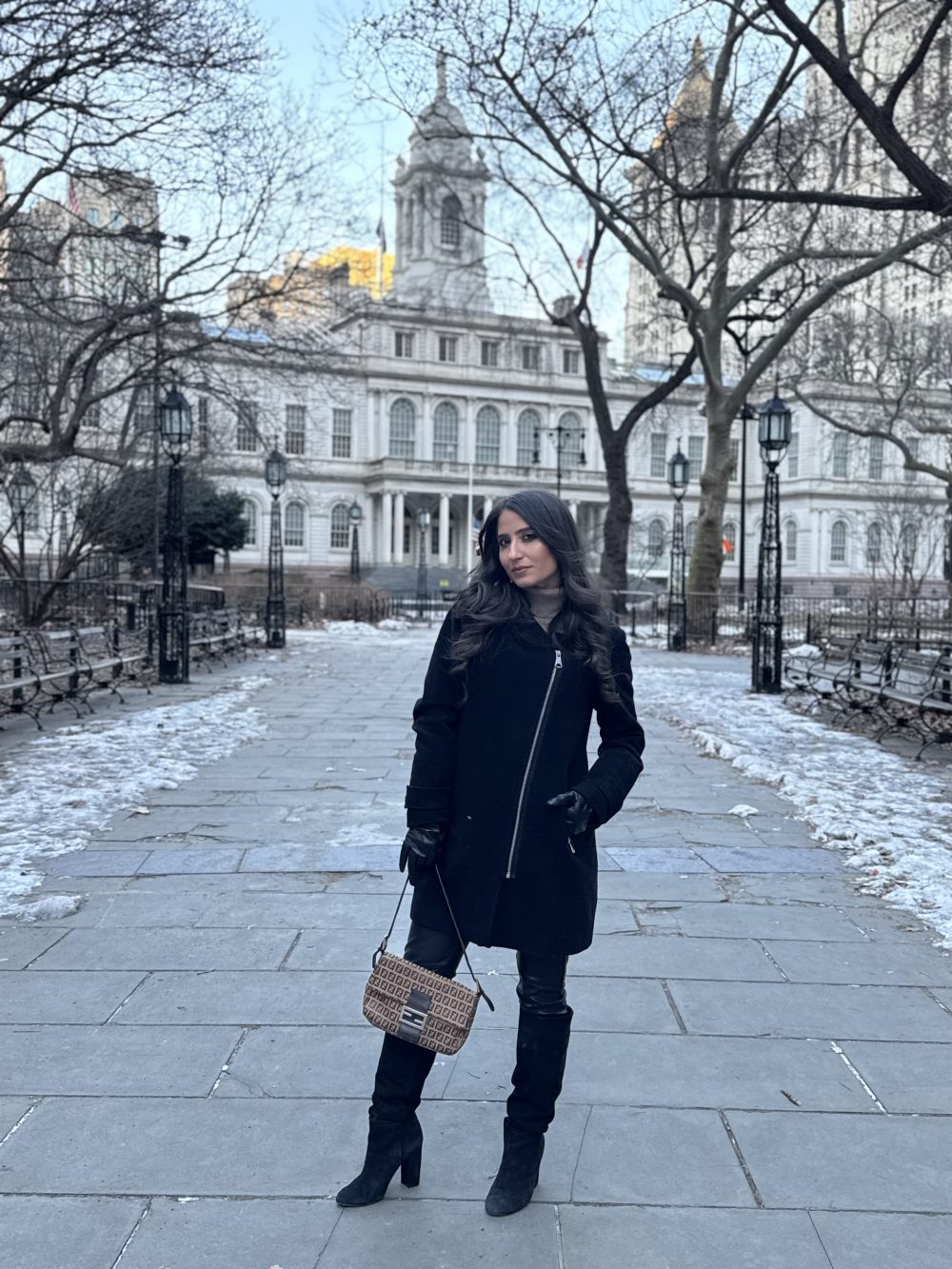
In place of statement dressing, there’s a renewed appreciation for proportion, fabric, and ease. The focus has moved away from being immediately recognizable and toward being quietly consistent. Wearing the same coat repeatedly now reads as confidence. Returning to familiar silhouettes feels intentional rather than uninspired.
Taste also resists urgency. It doesn’t rush to adopt what’s new simply because it’s available. Instead, it observes. It waits. It lets pieces earn their place. In doing so, it creates wardrobes that feel personal rather than performative—clothes chosen for longevity, not relevance.
There’s also a subtle emotional shift at play. Taste aligns with a desire for calm, stability, and authenticity in a moment that feels overstimulated. Dressing well has become less about signaling and more about support—clothes that move with you, layer easily, and feel considered without demanding attention.
This doesn’t mean trends have disappeared entirely. They still exist, but they no longer lead. They’re filtered through personal sensibility rather than followed wholesale. Taste decides what stays, what fades, and what never enters the wardrobe at all.
In 2026, the most compelling style statements aren’t statements at all. They’re uniforms, rituals, and quiet choices made consistently over time. Taste has replaced trends not because it’s new, but because it lasts.