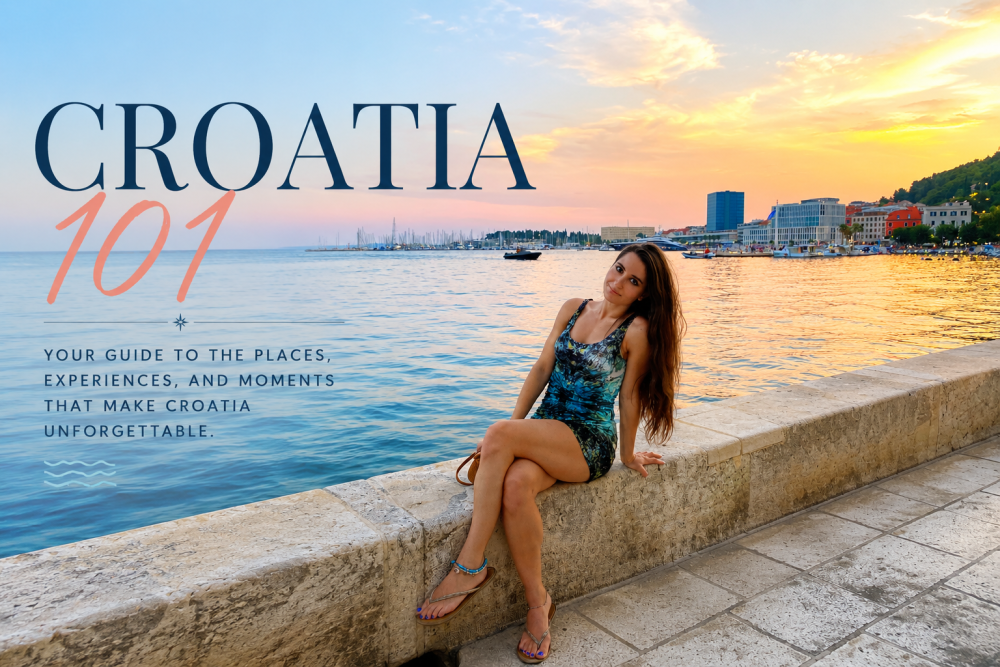
Croatia is, without much competition in my mind, one of the ultimate destinations — a gem nestled along the Adriatic Sea that blends historic charm, dramatic landscape, and a culture that rewards slowing down. Whether you’re drawn there for the history, the nature, or simply the beaches, it has genuine range. I’ve been blessed to visit almost every summer of my life, which I’ll admit gives me a certain bias — but also, I’d like to think, a certain expertise.
I’ve already gone deep on many of the destinations below, with plenty more waiting to be explored on my Croatia page — but it felt right for this piece to be an overview: the biggest hotspots, the most essential stops, especially if this is your first time deciding where to go.
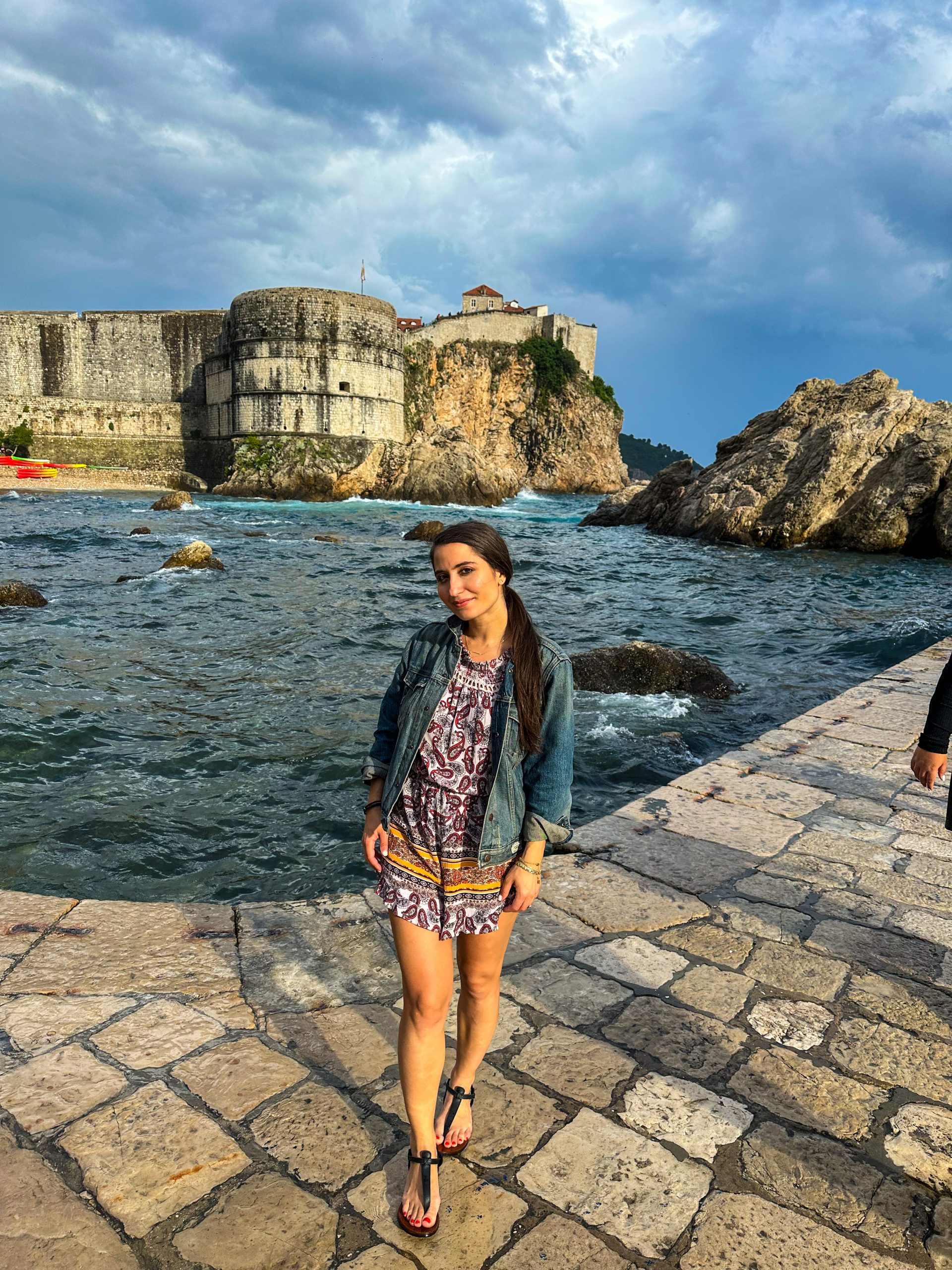
1. Dubrovnik: The Pearl of the Adriatic
Croatia’s most recognized destination for a reason. Dubrovnik’s Old Town is a genuinely well-preserved medieval city, its stone streets and terracotta rooftops enclosed by two kilometers of fortified walls that have stood, in some form, since the 12th century. Walking the full circuit takes most people 1.5 to 2 hours and involves nearly 1,200 steps — worth knowing before you go, since there’s very little shade along the way and the white limestone reflects heat back at you hard in summer. Go early, ideally right at opening around 8am, both for the light and to beat the cruise-ship crowds that build fast between 10:30 and 3.
A wall ticket alone runs about 40 EUR, but the Dubrovnik Pass costs the same and adds entry to the Rector’s Palace, the Maritime Museum, and several other sites, plus a day of public transport — worth it if you’re planning to see even one museum beyond the walls themselves. Once you’ve finished the loop, take the cable car up Mount Srđ for the view that puts the whole walled city and the Adriatic beyond it into perspective at once.
Probably the most known and biggest tourist destination for those visiting Croatia, Dubrovnik, often referred to as the “Pearl of the Adriatic,” is renowned for its well-preserved medieval architecture and stunning coastal views. Walk along the ancient city walls, explore the cobblestone streets of the Old Town, and visit landmarks such as the Rector’s Palace and Sponza Palace. Don’t forget to take a cable car ride up Mount Srđ for breathtaking panoramas of the city and the Adriatic Sea.
2. Split: A Blend of Ancient and Modern
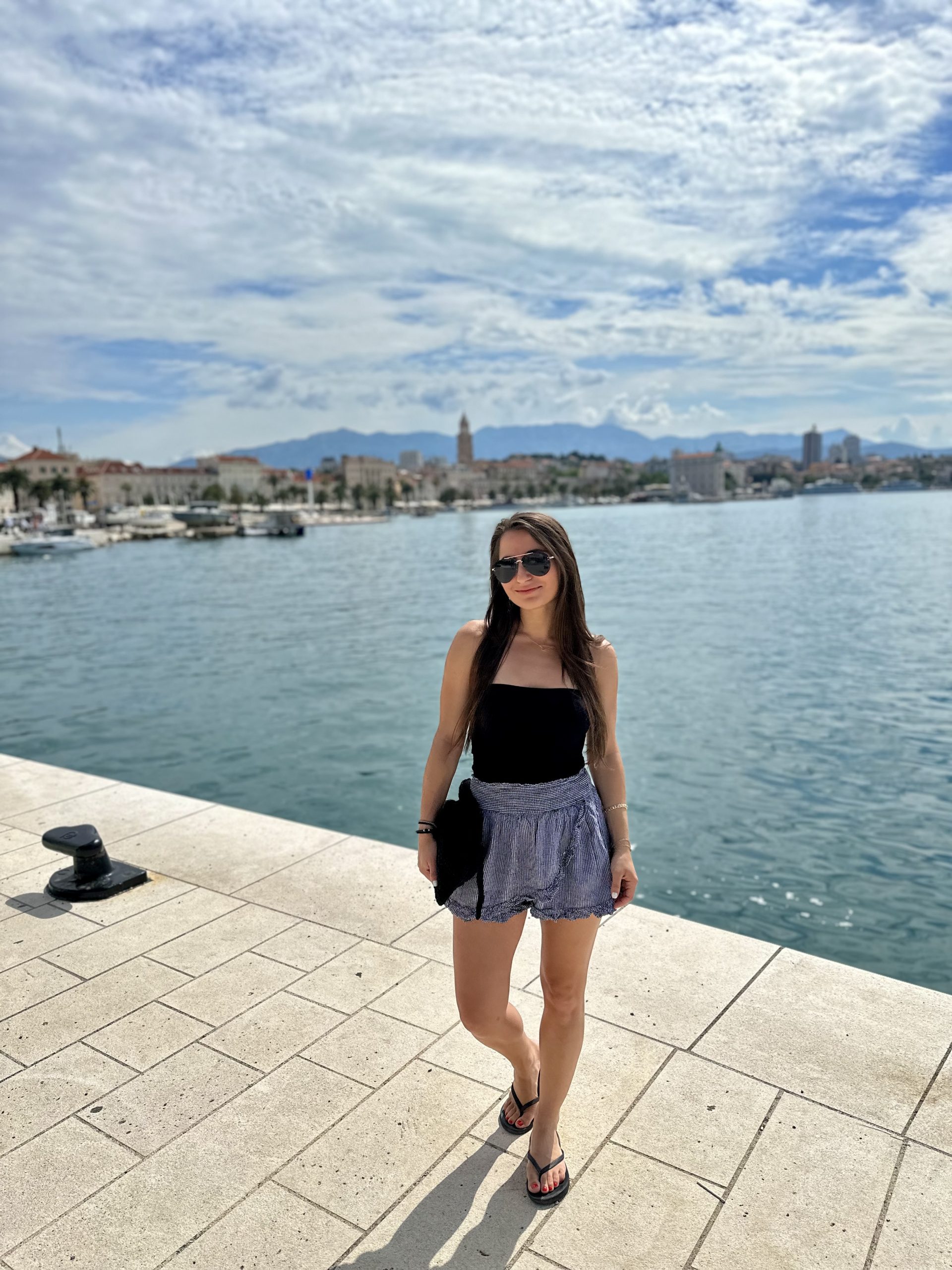
Split, Croatia’s second-largest city, is built quite literally inside Diocletian’s Palace, a UNESCO World Heritage Site that isn’t a museum piece you view from behind a rope — it’s a living neighborhood. Roughly 3,000 people still call it home, running cafés and hanging laundry between 1,700-year-old Roman columns. Entry to the palace grounds themselves is free and open around the clock; only specific interiors, like the cathedral, bell tower, and underground cellars, charge a small fee, usually somewhere in the €15–20 range if you want to see all of it. Go before 9am if you want the Peristyle — the ceremonial heart of the palace — without a tour group standing in it.
Beyond the palace, stroll the Riva promenade, spend an afternoon at any of the city’s beaches, and treat Split as your jumping-off point for the islands — it’s the easiest base in Dalmatia for genuine island hopping. I’ve written both a full Split travel diary and a guide to Split’s food and nightlife if you want to go deeper once you land.
3. The Dalmatian Islands: Hvar, Brač, and More
The islands are where the coastline really opens up — a scattering of destinations known for crystalline water, sun-soaked landscapes, and, depending which one you choose, a genuinely different pace of life.
Hvar is the sunniest, most social of the group — vibrant nightlife, a picturesque harbor town, medieval fortresses, and Venetian-era architecture layered over all of it. Beyond Hvar Town, boat trips to the nearby Pakleni Islands and wanders through lavender fields and vineyards round out the more laid-back side of the island.
Brač is best known for Zlatni Rat, the beach that famously shifts shape with the current, and for the town of Bol nearby. Climb to Vidova Gora, the highest peak in the Adriatic islands, for the view down over the beach that made this place famous. Brač’s white limestone built the Diocletian’s Palace you’ll have just walked through in Split — and, per local legend, made its way into the White House too, though historians generally credit that story to legend more than fact.
Korčula, often called “Little Dubrovnik,” carries its own medieval charm without Dubrovnik’s crowds — a walkable Old Town, the supposed birthplace of Marco Polo, excellent local wine, and the Moreška, a centuries-old sword dance performed as a genuine cultural tradition rather than a tourist show.
Vis remains the least developed of the four, which is exactly its appeal — unspoiled coastline, quiet beaches, and the Blue Cave on the neighboring island of Biševo, where sunlight refracting through underwater openings turns the whole cave an otherworldly blue.
These islands offer a mix of relaxation, adventure, and cultural experiences, making them ideal for island hopping.

3. Plitvice Lakes and Krka National Parks: Nature’s Wonderland
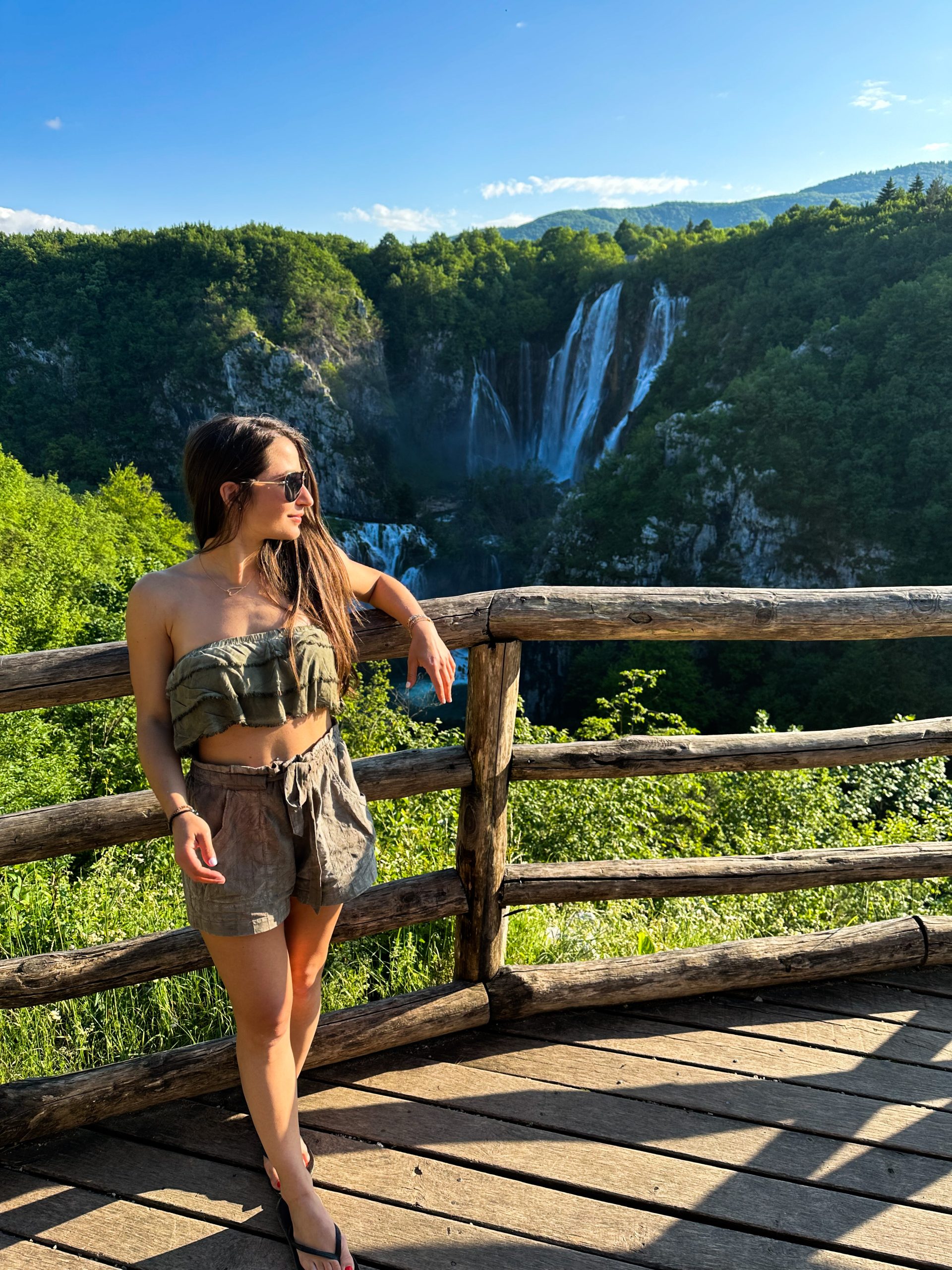
Two of Europe’s most striking national parks, and genuinely different from one another. Plitvice Lakes, a UNESCO World Heritage Site, is a cascading system of turquoise lakes and waterfalls connected by wooden walkways — the color of the water shifts with mineral content and season, so no two visits look quite the same. Krka is built around Skradinski Buk, its most famous waterfall, alongside historic monasteries, scenic boat rides, and a noticeably wilder feel than Plitvice’s more manicured trail system. If you’re heading to Krka, Skradin makes a beautiful entry point and destination in its own right, and for something quieter near Plitvice, Rastoke is a fairytale watermill village worth the detour.
Croatia is home to two of Europe’s most stunning national parks: Plitvice Lakes and Krka.
6. Zagreb: The Vibrant Capital
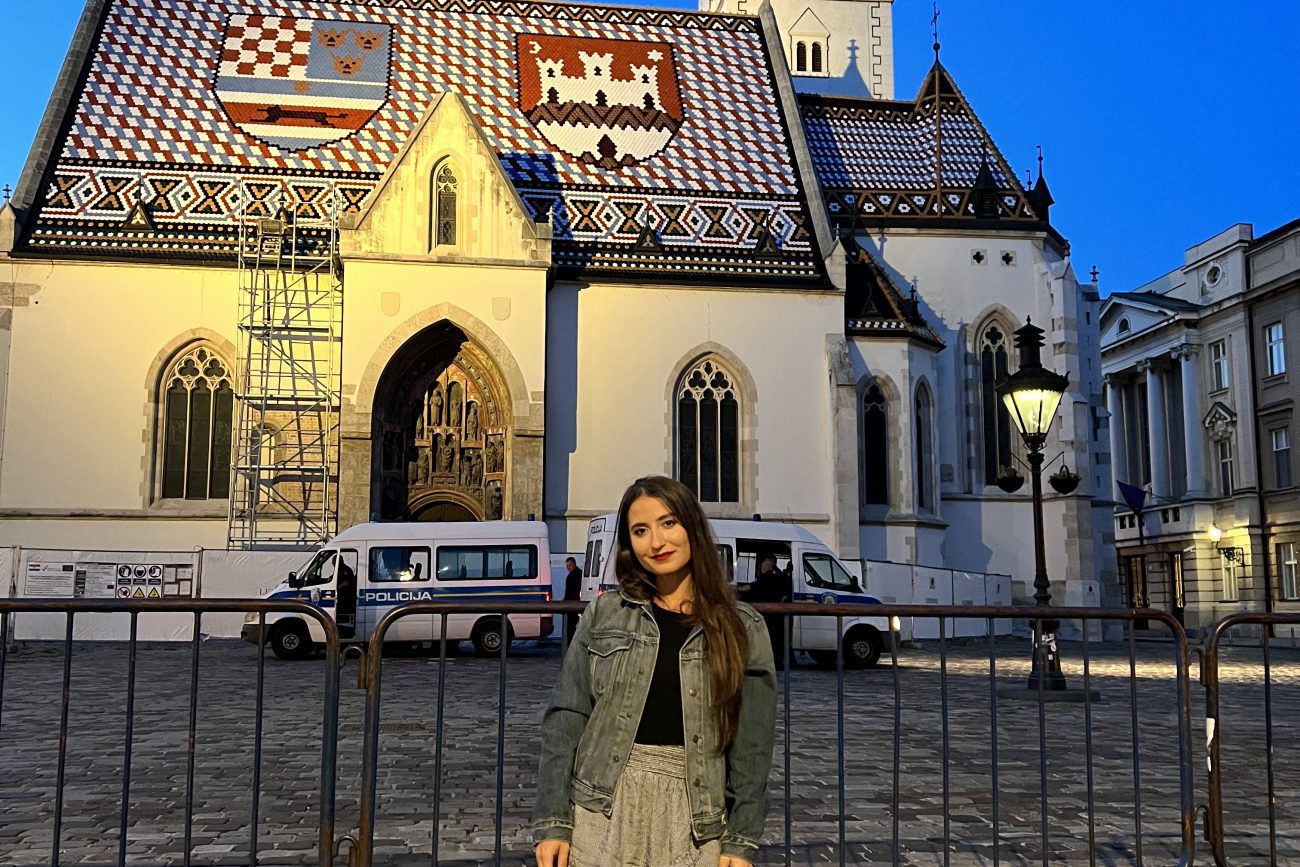
Croatia’s capital doesn’t get the same airtime as the coast, which is part of why it’s worth carving out time for. I’ve written a fuller guide to Zagreb here, but the short version: the Upper Town (Gornji Grad) holds the medieval core — St. Mark’s Church and its famous tiled roof chief among the sights — while the Lower Town (Donji Grad) is where the city actually lives: parks, museums, and Ban Jelačić Square anchoring it all. Don’t skip the Dolac Market for the best sense of daily Zagreb, or the quirky Museum of Broken Relationships, which is exactly as strange and moving as it sounds. Zagreb’s café culture is a genuine institution here — budget more time than you think you’ll need for simply sitting and people-watching.
Final Thoughts
Croatia offers a rich range of experience — ancient cities, national parks that feel genuinely wild, islands with their own distinct personalities, and a capital that rewards the travelers who bother to visit it. Whether you’re walking Dubrovnik’s fortified streets, standing beneath Krka’s waterfalls, or losing an afternoon on Hvar, this is a country that gives you exactly as much as you’re willing to slow down for. There’s more Croatia content coming — this was only the start.
Croatia is a destination that offers a rich tapestry of experiences, from ancient cities and stunning natural parks to idyllic islands with their own personalities and vibrant cultural scenes. Whether you’re exploring the historic streets of Dubrovnik, hiking through the waterfalls of Plitvice, or soaking up the sun on Hvar, Croatia promises an unforgettable adventure. There’s plenty more where this came from — explore the full Croatia guide here for everything else waiting to be discovered.