A long weekend can disappear surprisingly quickly.
By the time we decide what to do with it, Friday evening has been lost to indecision, Saturday to errands and Monday has already begun to feel like the night before work. Three days technically passed, but somehow none of them felt particularly different from an ordinary weekend at home.
The answer is not necessarily a flight, an impossible reservation or an aggressively optimized itinerary. Sometimes making a weekend feel like a vacation is less about distance than distinction: doing something differently enough that the days do not blur into the rest of your life.
Travel naturally creates those distinctions for us. We dress with more intention. We notice the architecture. We order the dessert. We watch the sunset instead of accidentally discovering it through someone else’s photograph. The challenge—and opportunity—of a long weekend at home is learning to create that same level of attention without requiring a boarding pass.
Here is how to make the shift, no packing required.
1. Choose one anchor experience, not an itinerary
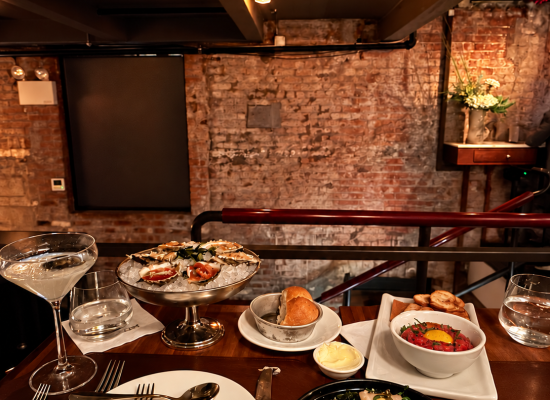
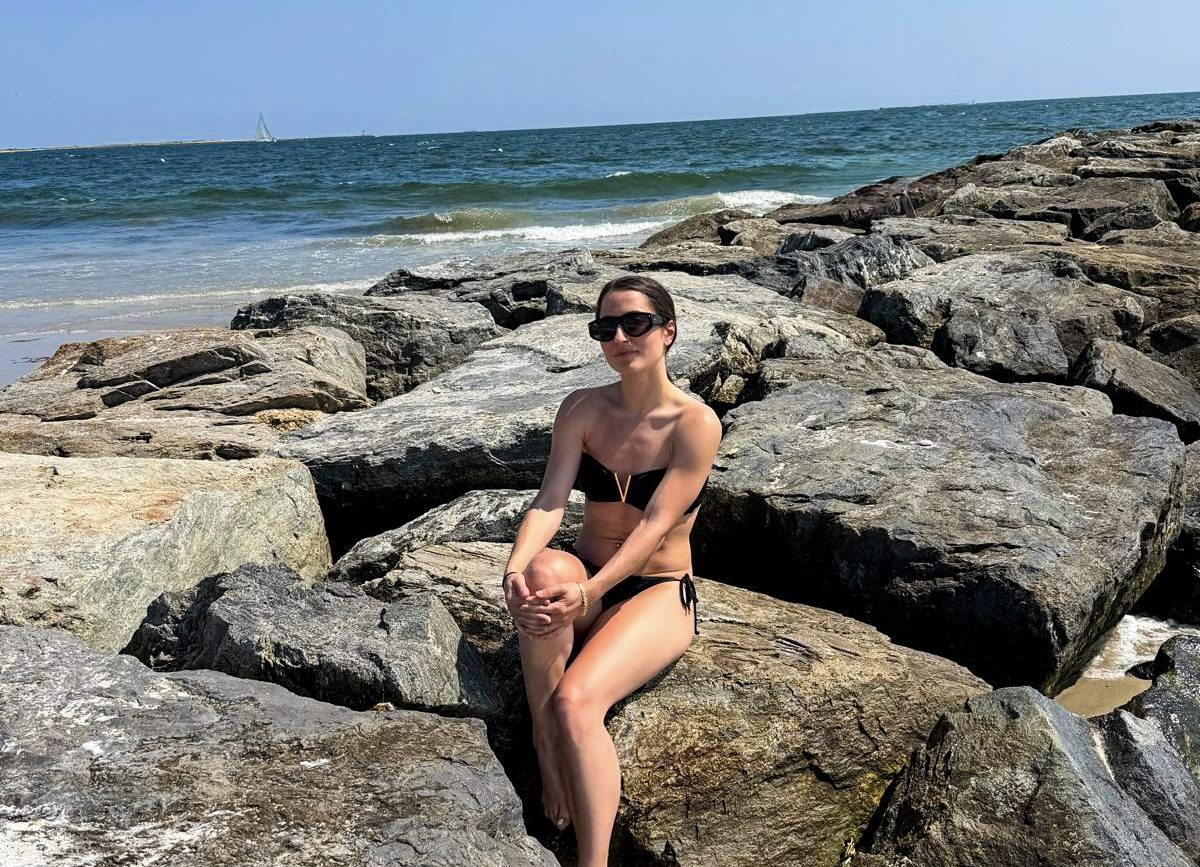
Pick a single experience to build the day around: dinner somewhere you have wanted to try, an afternoon by the water, a museum, a spa treatment, a pool day or one beautiful reservation.
Resist the temptation to stack five activities simply because you have an extra day. The goal is not to extract maximum productivity from the weekend. It is to give the day a clear center of gravity.
On vacation, one excellent meal or unexpected afternoon can define an entire trip. A long weekend deserves the same freedom.

2. Cross a threshold early
One reason vacations feel expansive is that the day begins differently. At home, it is easy to scroll, answer one email, straighten one room and realize that half the morning has disappeared.
Create an early threshold between the ordinary day and the one you want to experience. Have coffee somewhere other than your kitchen. Walk to a farmers market. Eat breakfast outside. Take the longer route toward somewhere you have never properly explored.
The outing does not need to be important. It only needs to interrupt autopilot before the to-do list takes control.
3. Dress for the experience
Wear something that changes how the day feels—not because anyone important will see it, but because getting dressed can mark the difference between another afternoon and an occasion.
Bring out the dress, jewelry, shoes or fragrance you have been saving for somewhere “better.” The piece may not require a more glamorous destination. Sometimes wearing it is what creates one.
The point is not to overdress. It is to stop treating pleasure as though it requires a sufficiently impressive witness.

4. Become a tourist within your own radius
Vacation changes the quality of our attention. We look up. We photograph buildings. We read menus before choosing a restaurant. We walk down streets without needing them to lead anywhere productive.
Try bringing that curiosity closer to home.
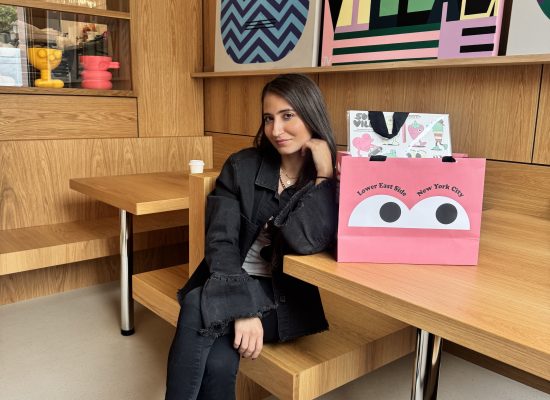
Visit the neighborhood, waterfront, garden, gallery or restaurant you continually say you will get to “one day.” Take the ferry or train somewhere nearby. Walk through a familiar place as though you were responsible for describing it to someone who had never been there.
Familiarity is not the same as having fully experienced something. Often, the places closest to us receive the least attentive version of who we are.
5. Design one sensory signature
Think about what separates travel memories from ordinary days. It is rarely the efficiency of the itinerary. More often, it is the soundtrack in the car, the scent of a hotel lobby, the first drink before dinner or the light hitting a table at a particular hour.
Choose one sensory signature for the weekend.
It could be a playlist that only belongs to these three days, fresh flowers in the room, a restaurant selected entirely for its outdoor setting or a dish you would normally reserve for vacation. It might be a fragrance, a bottle of wine or simply breakfast served properly instead of eaten over the sink.
Memory responds to specificity. Give the weekend one detail capable of bringing it back later.
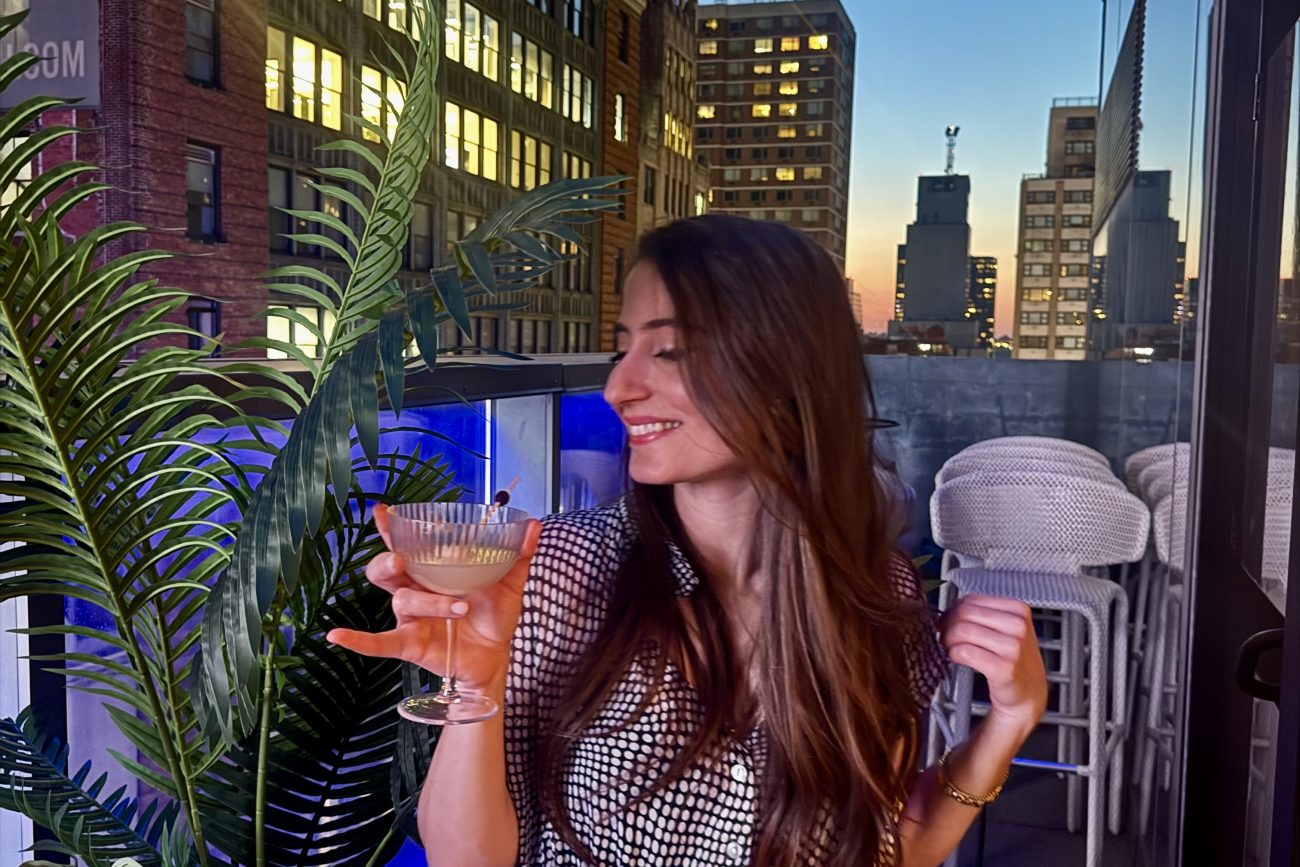
6. Make an appointment with beauty
Leave one portion of the day devoted to something beautiful that has no productive outcome.
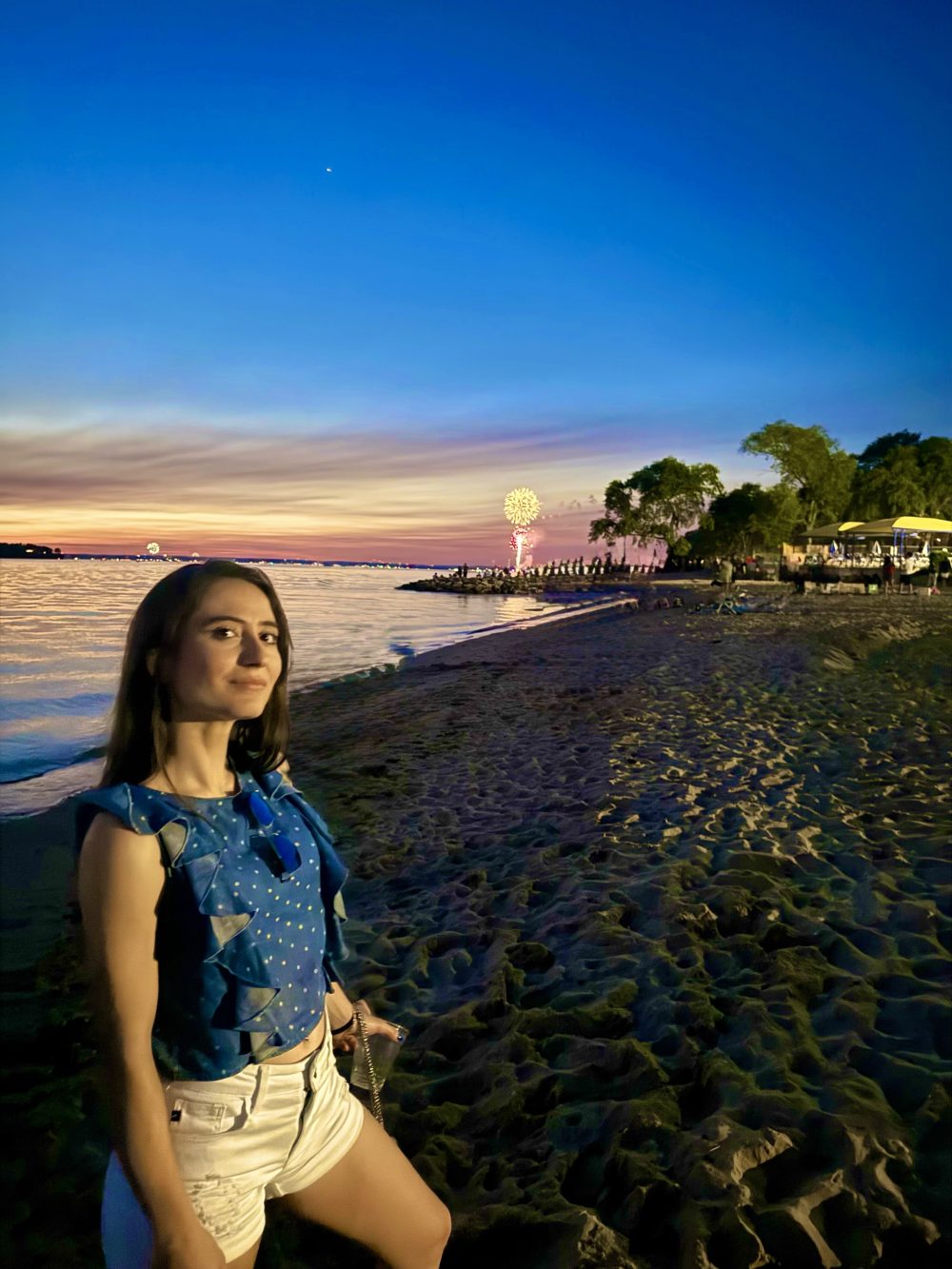
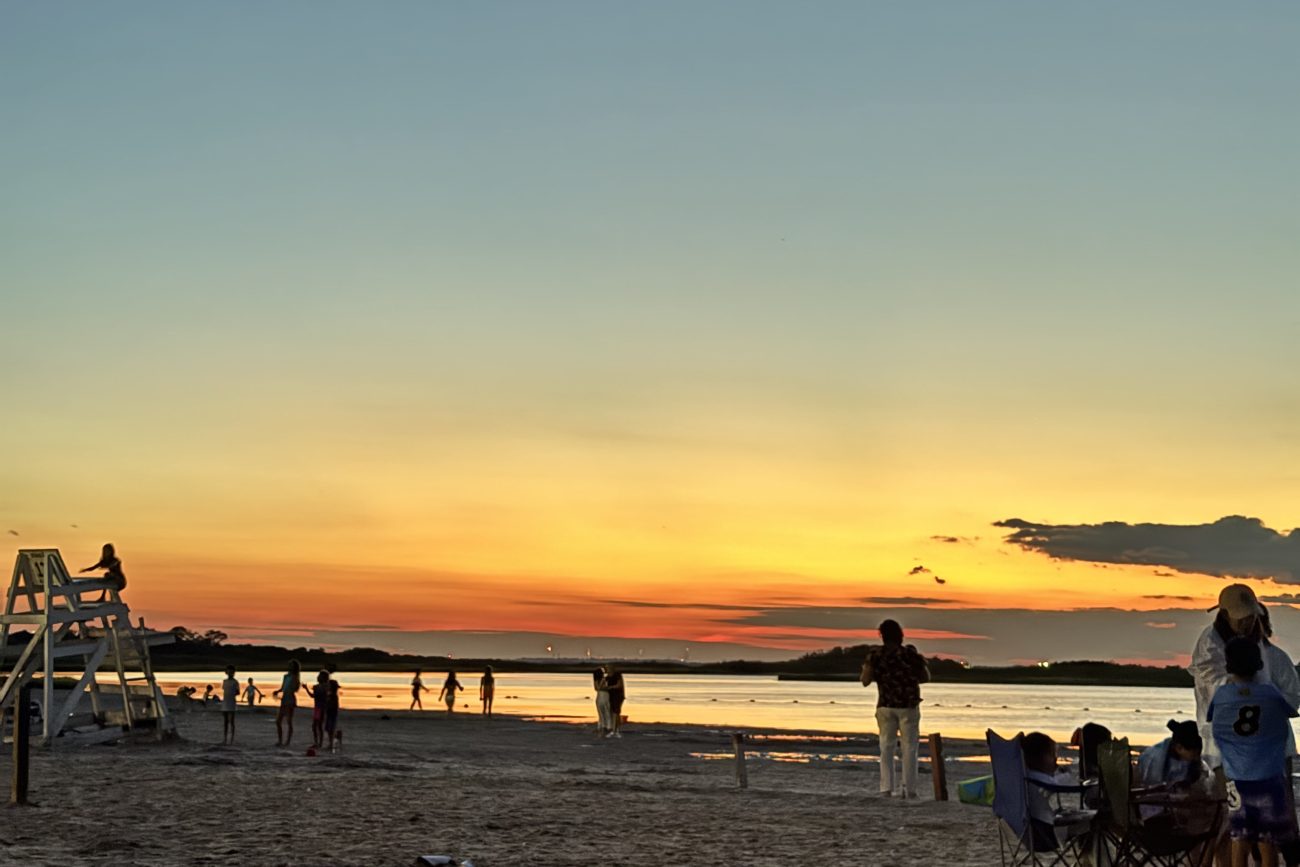
Watch the sunset from somewhere intentional. Sit beside the water. Visit a garden. Take a book to a hotel lobby or café with no plan to finish it. Walk through a neighborhood simply because the architecture interests you.
Put it on the schedule if necessary. We routinely make appointments for responsibilities; beauty is expected to fit into whatever time remains.
It rarely does.
7. Let one evening unfold without optimization
Not every part of the weekend needs a reservation, a time slot or a reason.
Allow one evening to develop naturally. Have dinner outside. Order dessert somewhere separate. Walk without immediately deciding where the walk should end. Play cards, watch a movie under the stars or stay at the table after everyone has finished eating.
Some of the best travel memories begin after the official plan is over. Leave enough room for the same thing to happen at home.
8. Let it become a memory before it becomes a post
Photograph the details you want to remember, but resist narrating the entire weekend in real time.
The constant act of documenting can quietly turn an experience into a production. Instead of asking what the moment feels like, we begin asking how it will look, what the caption should say and whether we captured enough proof that it happened.
Put the phone down for the portions that matter most. Let the moment belong completely to you before deciding which part, if any, belongs to everyone else.
Presence may be the least visible luxury of the weekend, but it is often the one we remember.
9. Protect the final evening
The last hours of a long weekend are easily surrendered to anticipatory stress. Monday—or in this case, Tuesday—begins occupying the room before it has actually arrived.
Give the final evening a closing ritual. Order something comforting, take a bath, sit outside, prepare one small thing for the morning and then stop preparing. The purpose is not to avoid reality; it is to prevent tomorrow from taking more time than it is entitled to.
A thoughtful ending can make the weekend feel complete instead of abruptly interrupted.
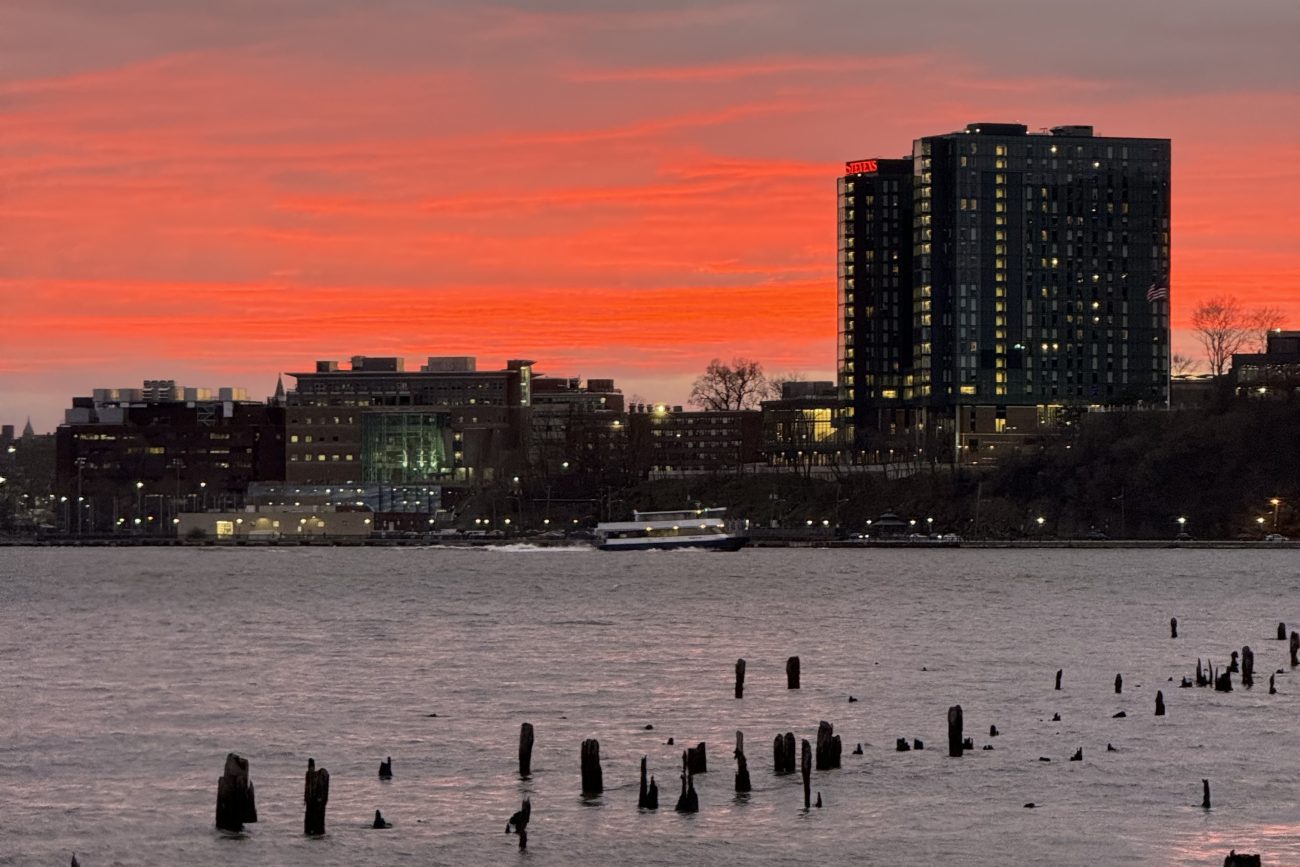
The difference between an ordinary weekend and a memorable one is not always geography. It is attention.
It is choosing one experience instead of vaguely hoping something happens. It is wearing the beautiful thing, noticing where you are and allowing a few hours to exist without requiring them to become useful.
A flight can create distance from ordinary life, but distance is not the only way to see differently. Sometimes all it takes is giving the familiar world the quality of attention we usually reserve for somewhere else.
That possibility is available on a plane, across town or in your own backyard—provided you are present enough to notice it.