Toronto, twice in one week. If you’d told me at the start of June that I’d be back at the same stadium for a World Cup knockout match, I’m not sure I would have believed it — but there I was.
Croatia and Portugal had never met at a World Cup. Not once, not across a decade of qualifying campaigns crossing paths, not in any of the tournaments either country has had a deep run in. So when the draw put them together in the Round of 32, it wasn’t just another knockout tie. It was a first.
And it landed on a stage that made it feel bigger than the scoreline — right up until the scoreline became the only thing anyone could talk about.
Luka Modrić, 40, still running Croatia’s midfield like the calendar doesn’t apply to him. Cristiano Ronaldo, 41, playing what everyone understood to be his last World Cup. Two players who, by any normal athletic logic, should have handed the reins over years ago — and instead were still the players their countries built around. This was never a changing-of-the-guard story. It was two guards, still standing, finally sharing a pitch.
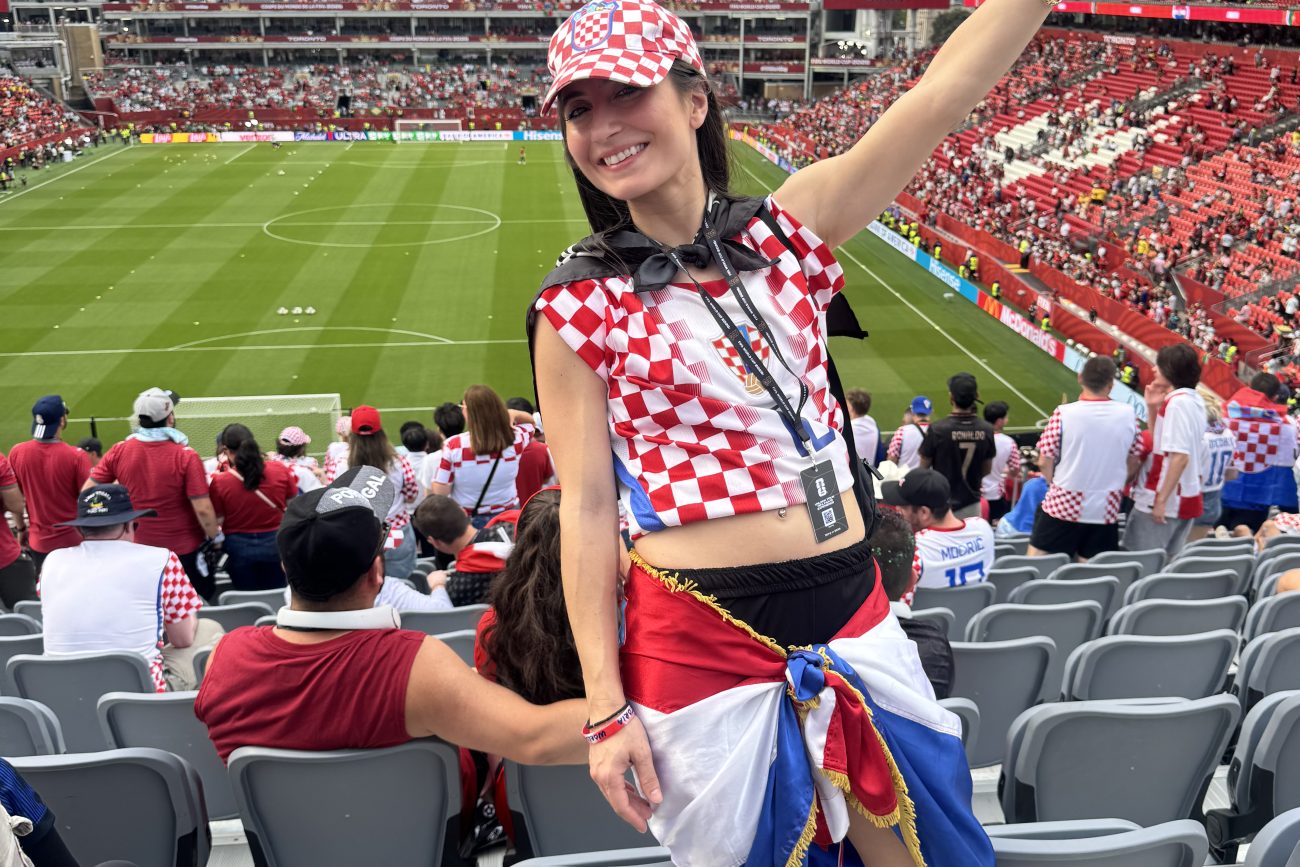
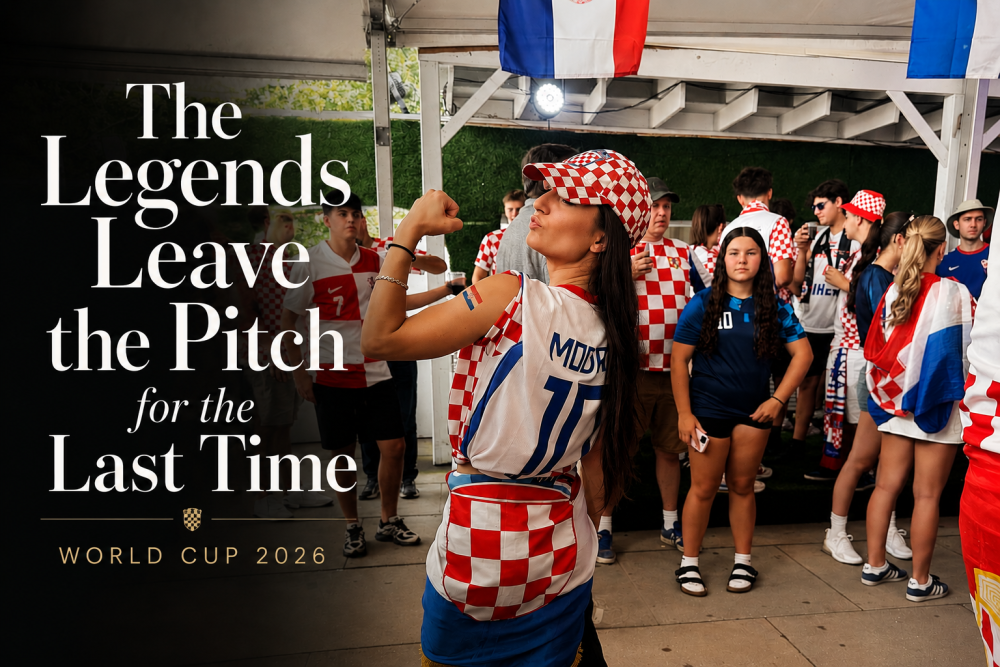
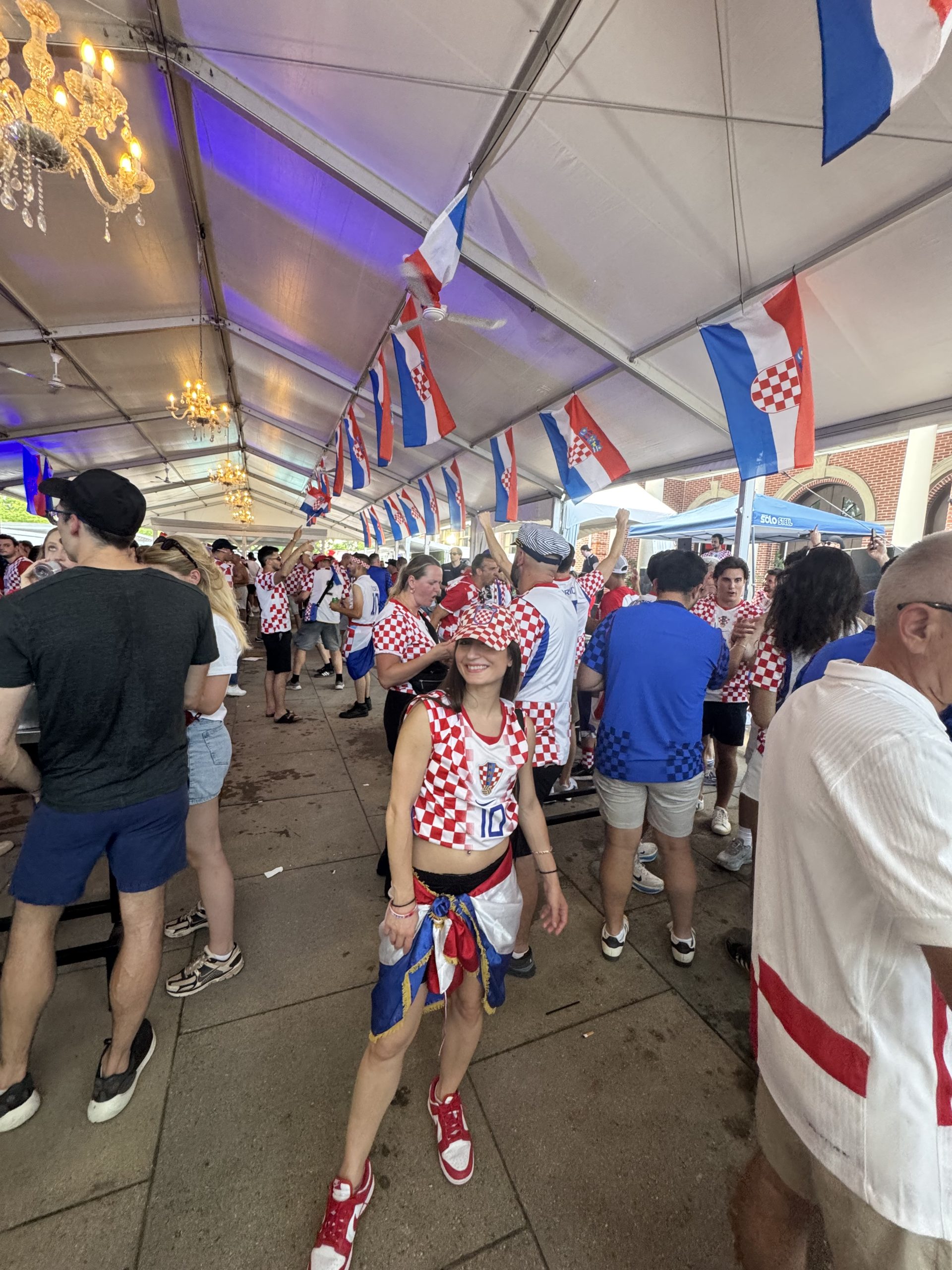
I’ve followed Croatia through this entire tournament — Toronto for the Panama match, Philadelphia for Ghana, and now back here for the round that would decide whether the run continued. There’s a different register to a knockout match. Group stage has room to breathe. This didn’t.
Ronaldo scored the equalizer from the penalty spot in the 68th minute. Portugal went ahead for good with a header in the final minute of stoppage time. And then, deep into a match that had already run past regulation, Croatia found what looked like a miracle — Gvardiol bundling the ball home to level it, the whole stadium erupting, Croatian flags going up all around me. For maybe ninety seconds, it was 2-2, and everything felt possible again.
Then it wasn’t. A VAR review. A sensor embedded inside the match ball itself, detecting a fraction-of-an-inch touch in the buildup that no one in the stadium could see and no replay could make obvious to the naked eye. Offside. Goal overturned. Croatia’s tournament ended not on a mistake anyone could point to and understand, but on data most of us didn’t know existed until that exact moment.
I’ve thought a lot about why this one hurt differently than a clean loss would have. A loss you can carry. You shake the manager’s hand, you say next time, you find the joy in what you witnessed anyway. But this wasn’t that. This was watching the sport hand its most human moment — a team clawing back from the brink in the 103rd minute — over to a machine to adjudicate. Whatever the correct call was, something about the moment itself was taken from everyone in that building. Croatia’s federation felt it enough to formally protest to FIFA. I felt it enough to need a few days before I could write a word of this.
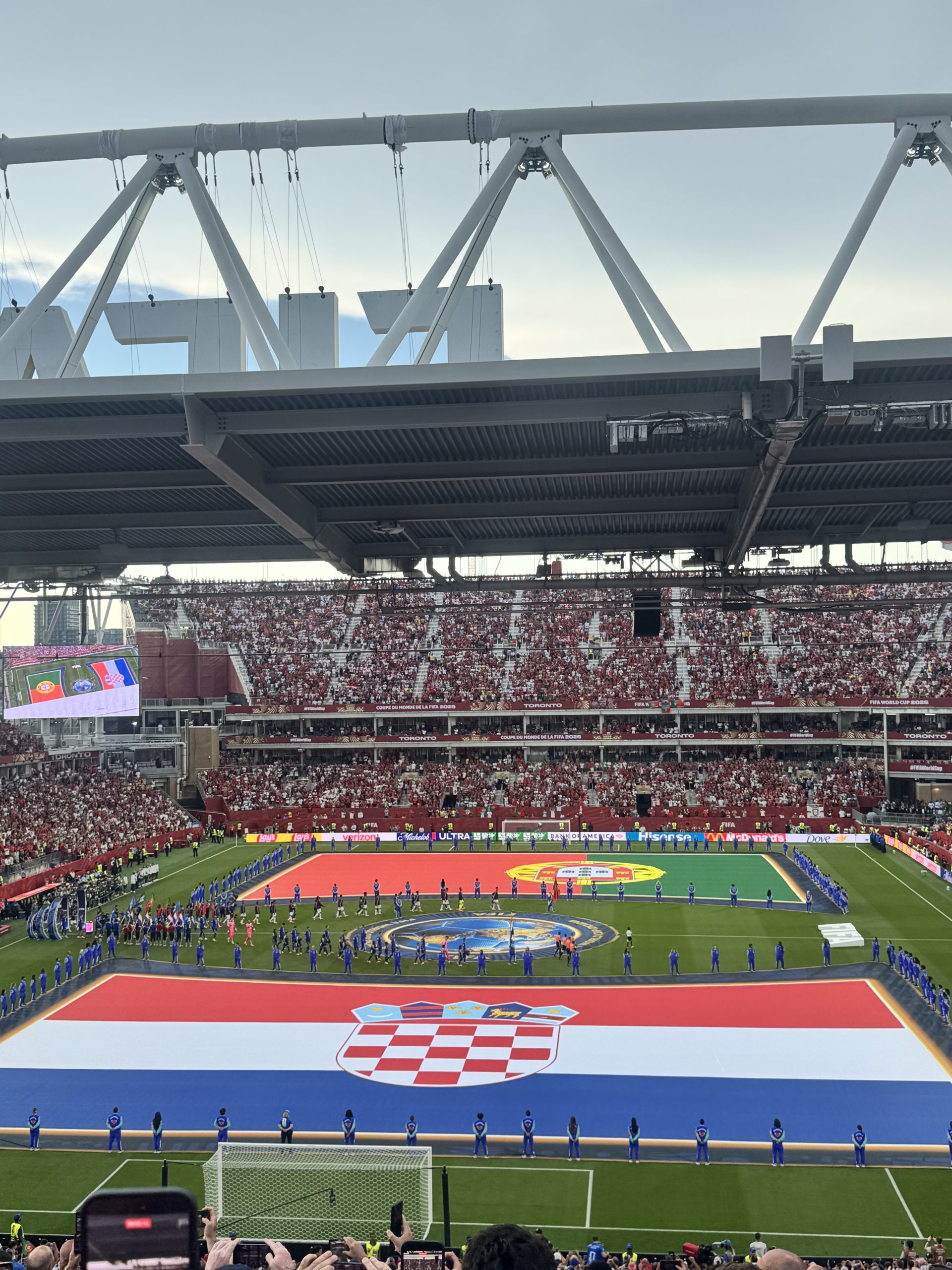
And underneath the scoreline, underneath the controversy, was the part that actually stays with me: Modrić walking off that pitch for the last time. Of everything this World Cup has closed the book on — and it’s closed a lot of books — his is the one that hurts the most. Ronaldo’s own World Cup ended six days later, Portugal falling to Spain in the Round of 16. Neymar’s ended in the same window, Brazil eliminated by Norway, his international career now over by his own words. Mexico’s Guillermo Ochoa and Germany’s Manuel Neuer, two of the most respected goalkeepers of their generation, each bowed out with the same kind of quiet, deliberate farewell — kissing the post, bowing to the fans who’d shown up for them one last time. And Messi, still playing as I write this, is almost certainly living through his own final World Cup as well, chasing one last high note instead of a quiet exit. Every one of these careers is closing at once, in the same few weeks, and I happened to be in the building for the first of them to go.
It’s taken me a few days to want to write about it. Not because I didn’t want to remember the match — because I needed the sting of how it ended to settle before I could get to the part that’s actually true: I got to see three of these matches live, in person, during the exact stretch of time when an entire generation of the sport’s greatest players said goodbye to it. That’s not nothing. That’s the kind of thing you don’t fully understand the size of until you’re the one standing in the stadium when it happens.
Some matches you remember for the football. This one, I’ll remember for the two names on the team sheets — and for being there the one time they ever shared a pitch, right before the game itself decided it wasn’t going to let either of us walk away clean.
—
Tell me — where were you when Modrić played his final World Cup match? I’d love to hear it.
Now that Croatia is out this is where I bow out of the World Cup but for more on where this summer is taking me — follow my on Instagram @angelica_e subscribe to The Experiencer Edit.