
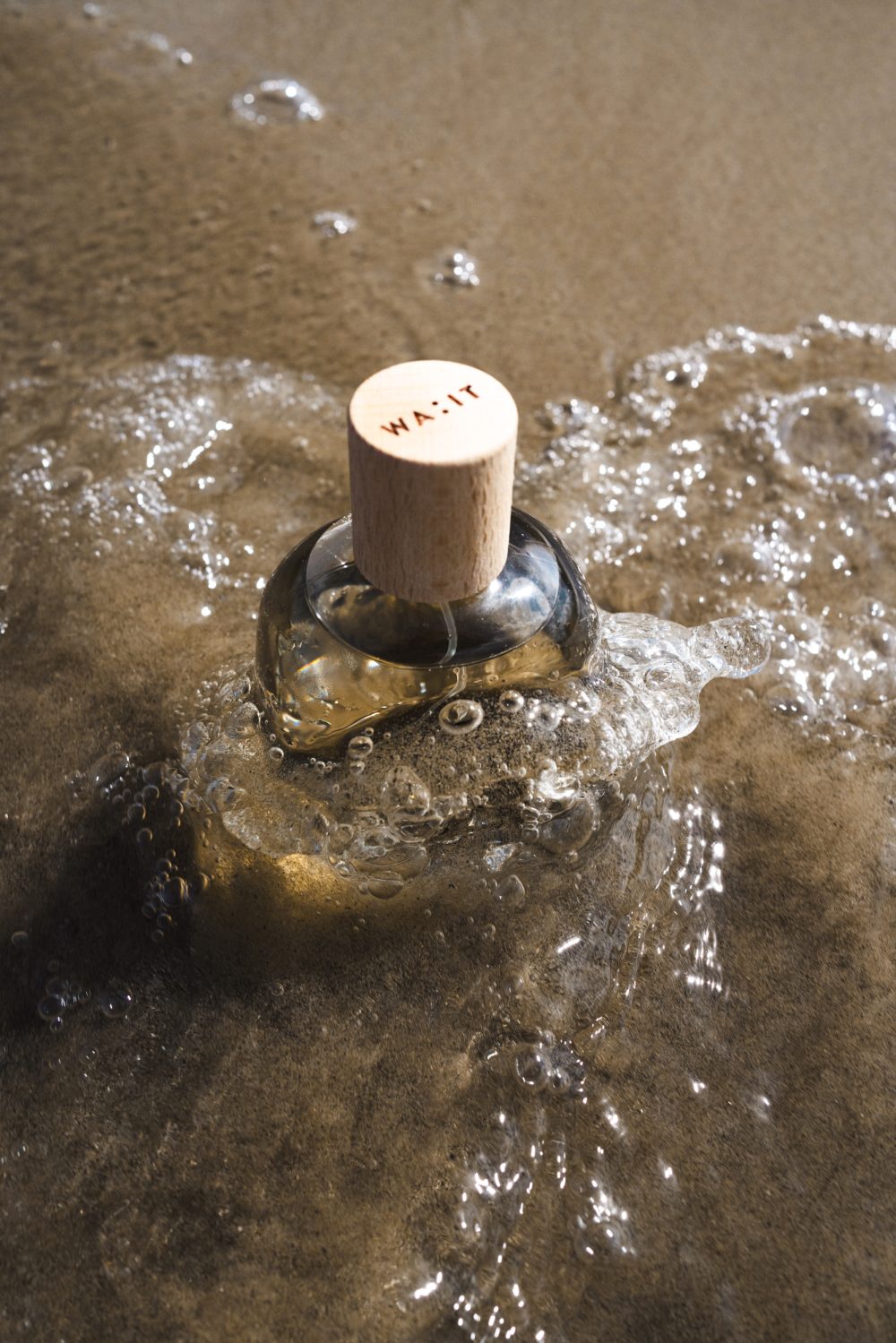
Wellness was supposed to slow us down. Instead, somewhere along the way, it became another thing to consume.
What began as a language of restoration has, at times, turned into its own form of excess: more routines, more products, more self-optimization disguised as self-care. The irony is hard to miss. Even our attempts at becoming more mindful have become crowded, aestheticized, and in many cases, performative.
That is part of what made my recent conversation with Raffaella Grisa, founder of WA:IT, feel so striking. In a market full of brands eager to align themselves with the vocabulary of wellness, WA:IT doesn’t read like a reaction to the moment at all. If anything, it feels almost outside of it.
The brand did not begin as a fragrance line, a skincare concept, or a lifestyle play built from a business plan. It began, as she tells it, with a vision — one that came to her during a profound moment of clarity and connection in Japan. What followed was not an immediate pivot, but a slow unraveling of one life and the deliberate beginning of another. It took more than a year to close the chapter on her previous engineering career, and nearly two more to bring the brand into existence.
That pacing matters. So does the name.
WA:IT can be read literally as “wait,” a prompt to slow down and begin more consciously. But for Raffaella, the meaning is layered. It also reflects harmony — a bridge between her Italian upbringing and the Japanese philosophy that deeply shaped the brand’s inner world. That duality sits at the center of everything WA:IT is: intuitive but rigorous, soulful but precise, emotionally led but structurally considered. It is a philosophy made tangible.
And perhaps most importantly, it is a brand built not around beauty in the conventional sense, but around emotional well-being.
It is also what gives the brand its uncommon depth.
At the center of Raffaella’s philosophy is the idea that scent is not simply aesthetic. It is functional. She describes fragrance as an olfactory supplement, a phrase that stayed with me long after our conversation ended. We tend to think of supplements as something ingested — a support system for the body, a means of correcting or restoring something internal. WA:IT proposes something else: that scent, too, can support us. That it can soften the edges of the day, regulate emotion, create pause, and help reconnect us to ourselves in a way that is immediate and deeply felt.
It is a compelling idea, and one grounded in something more than poetic language. Smell is the only sense that bypasses the rational part of the mind, which is precisely why it has such immediate emotional power. WA:IT is built on that premise.
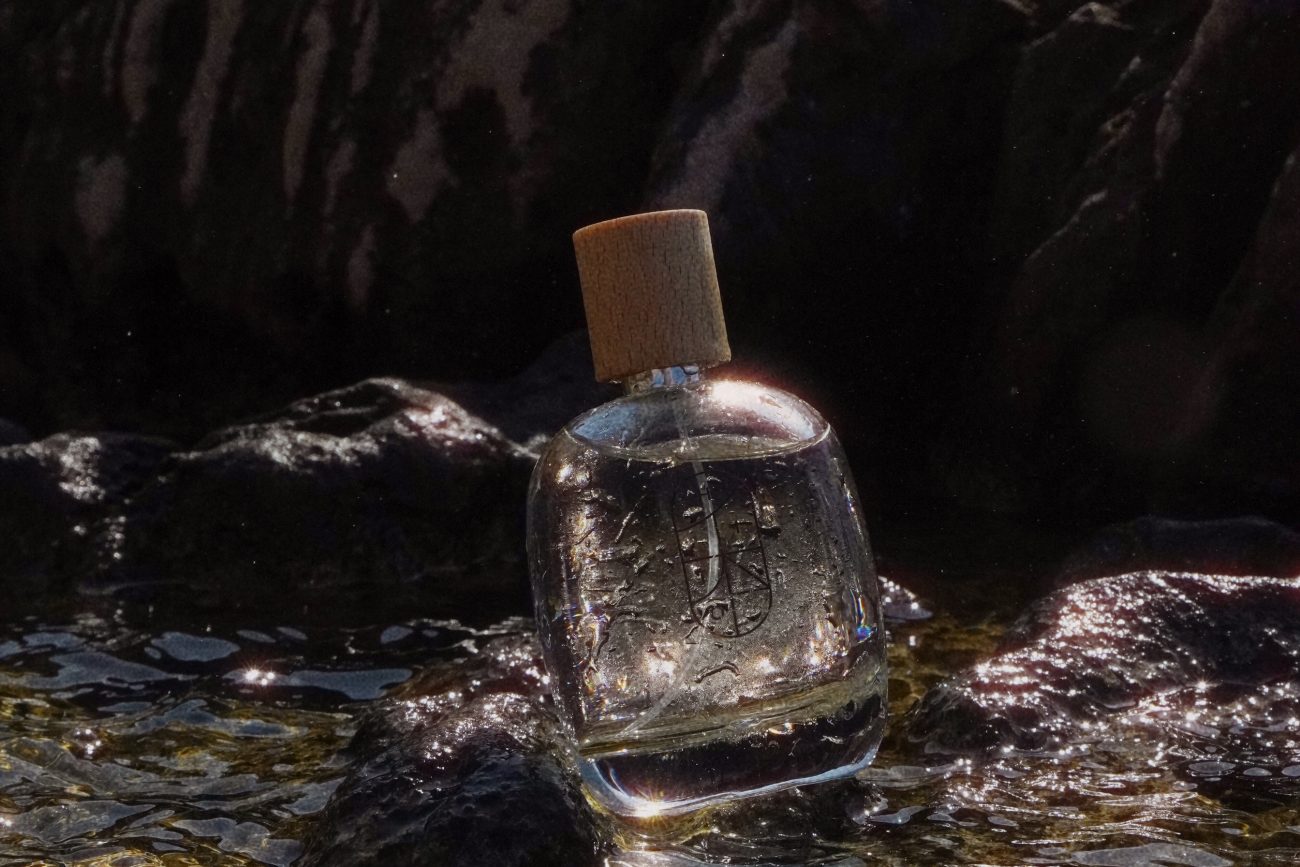
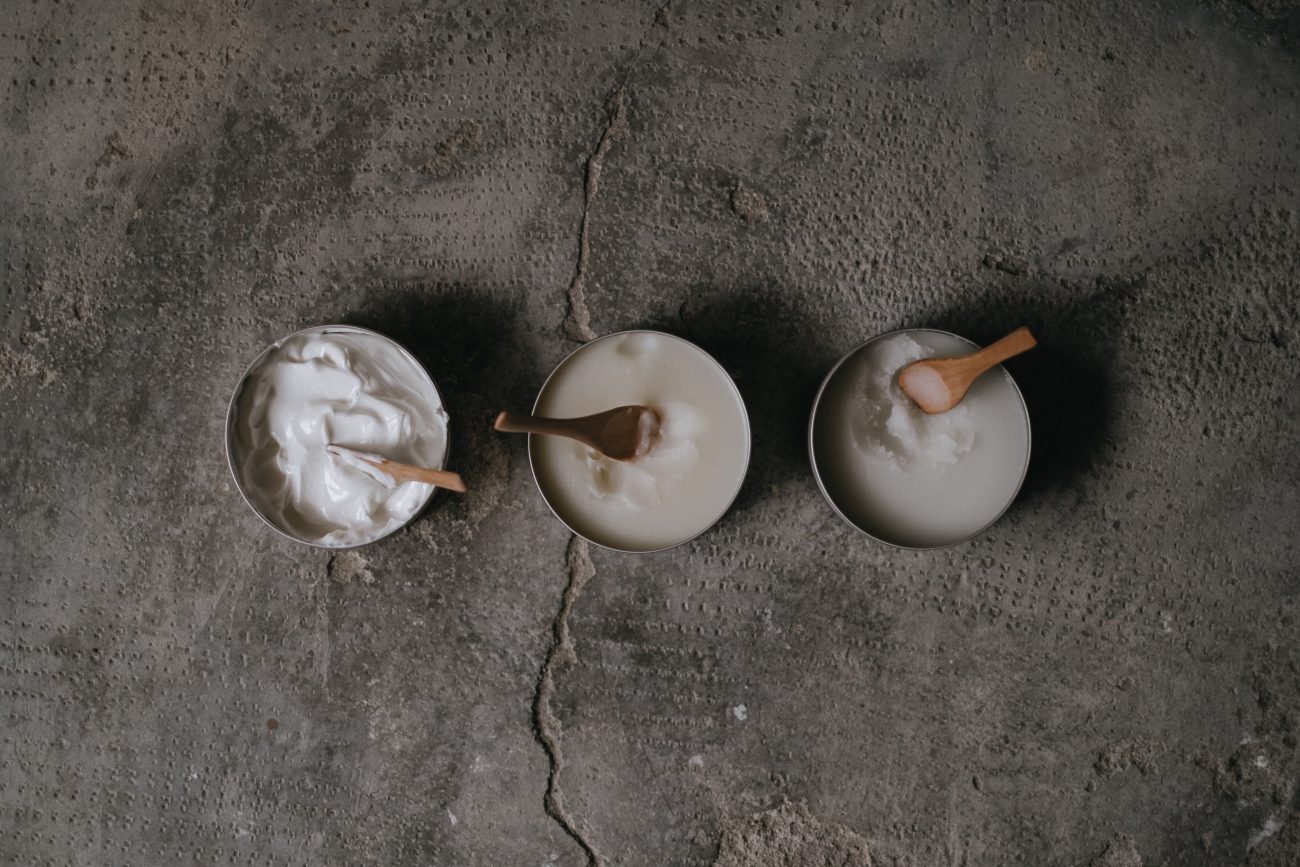
The architecture of the brand follows a clear emotional logic. First comes fragrance — to support and, in her words, “heal the soul.” Then body and skincare, which care for the body as the soul’s temple. And finally, the home elements — incense and candles — which help bring balance to the environment around you. The goal is not simply to smell good, but to live with more intention.
There is nothing accidental about it. Not the ingredients, not the ritual, not even the pacing of how the brand unfolds. And in a market where so much of “wellness” is now flattened into aesthetic shorthand, that intentionality stands out.
That intention is evident in the products themselves, but also in the way they are meant to be used. WA:IT encourages ritual, not routine for routine’s sake. A fragrance is chosen not by notes alone, but by need. A body wash is not only cleansing, but grounding. A shower becomes an opportunity to recalibrate rather than just another task to get through. Even sound enters the equation: details like wooden tags on the body care packaging are designed to create a soft mantra-like sensory experience. It is an approach that feels especially resonant in a culture that is overstimulated and chronically rushed.
In fact, WA:IT was originally meant to launch in April 2020. Then the pandemic hit, and Italy became one of the earliest and hardest-hit epicenters of the crisis. What could have been a stopping point became, unexpectedly, an opening. Drawing on her background, Raffaella used that time to deepen her understanding of sustainable systems, eventually leading the brand to become the first European beauty products brand to achieve carbon-negative status. Then the language of wellness shifted almost overnight. Suddenly everyone was speaking about slowing down, feeling better, reconnecting, healing.
But while the market caught up, Raffaella’s vision did not need to be reworked to meet the moment. It had already been there.
That is perhaps what makes WA:IT feel so grounded now. It did not rush to join the vocabulary of well-being once it became commercially viable. It was built from that emotional premise to begin with.
And yet what impressed me most was not that the brand anticipated the shift, but that Raffaella has remained so uninterested in exploiting it.
There is also something refreshing about how little interest Raffaella seems to have in scaling for the sake of scale. In an era obsessed with growth, market capture, and visibility at any cost, she speaks openly about wanting to remain independent, selective, and niche. She would rather say no than overextend the philosophy of the brand into something louder, broader, or less precise. WA:IT is not designed to reach everyone. It is designed to resonate deeply with the people who understand it.
That clarity likely comes, at least in part, from the fact that Raffaella came to this industry from the outside. Before WA:IT, she spent years working as an engineer with a focus on sustainability. She launched the brand with that same systems-based thinking, and the sustainability story here is far more rigorous than the now-familiar language of clean visuals or reduced packaging. For her, sustainability is not surface-level branding. It is process.
That means considering every stage, from the sourcing of raw materials to manufacturing to the end consumer, always with the goal of reducing carbon footprint. It is painstaking, often invisible work. And it was present from the beginning, long before sustainability became a standard talking point in beauty and wellness.
Still, what stayed with me most from our conversation was not the technical accomplishment, but the steadiness of her perspective.
She spoke often about trusting the process — not as a slogan, but as a lived practice. When she left her previous career and began building WA:IT, she was doing so at a moment in life when most people are expected to double down on stability, not walk away from it. She was turning fifty. She had no formal background in the beauty industry. From the outside, it may have looked irrational. But from the inside, it was clear.
That distinction feels important right now, perhaps more than ever.
We are living through a moment defined by speed, volatility, and a near-constant pressure to react. Business moves fast. Culture moves faster. Technology accelerates everything. There is an ambient sense that if you are not moving, producing, posting, scaling, and adapting in real time, you are somehow falling behind. And yet, there is also growing evidence that many people are exhausted by exactly that pace.
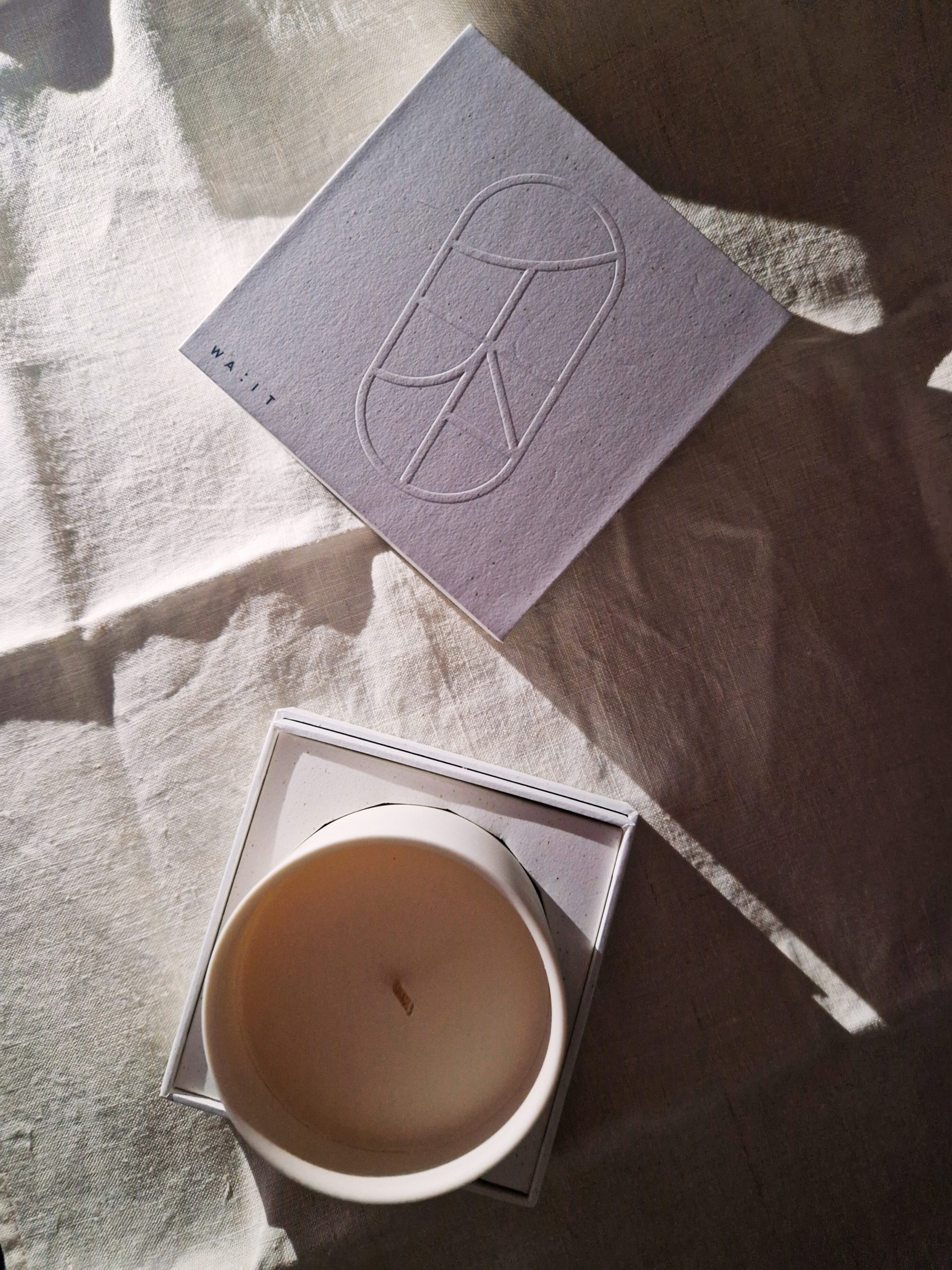
WA:IT offers a quieter counterpoint. Not an escape from reality, but a way of meeting it from a more grounded place.
When I asked Raffaella how she sees this spring — culturally, emotionally, spiritually — she framed it not as a season of aesthetic renewal, but of deeper connection to the self. That distinction felt telling. In a climate of global uncertainty, she is less interested in escapism than in internal steadiness.
It struck me because it feels especially relevant now. We are moving through a cultural moment that is increasingly reactive. The pace of business is relentless. Technology is accelerating faster than our ability to metabolize it. The world feels unstable in ways both personal and geopolitical. We are all absorbing more than we can possibly process. And under those conditions, “luxury” begins to take on a different meaning.
To be grounded, in her view, is not to deny what is happening around you. It is to remain connected to yourself enough that fear, urgency, and noise do not dictate your every move.
That is where WA:IT feels most compelling to me. Not as a status object, but as a quiet emotional technology. A way of bringing intention back to ordinary moments. A reminder that ritual is not about excess, but attention. That even something as small as choosing a fragrance in the morning can become a way of asking yourself what you need, rather than how you want to appear.
There is a kind of luxury in that, though perhaps not the kind the industry most often sells.
It is not loud. It is not about abundance for abundance’s sake. It is not aspirational in the empty sense. It is emotional luxury — the ability to create space within your own life, to move with intention, and to return to yourself through small, repeated rituals that actually mean something.
And perhaps that is the new language of luxury now: not more, but more meaningfully. Not louder, but more attuned. Not another beautiful object without substance, but a sensory experience that actually changes the emotional temperature of a day.
That may be the real appeal of WA:IT. Not that it participates in the wellness conversation, but that it quietly asks better questions of it.
What if fragrance were not just a finishing touch, but a tool?
What if sustainability were not a message, but a discipline?
What if slowing down were not a branding device, but a genuine philosophy?
And what if luxury, especially now, looked less like excess and more like being able to remain calm, clear, and connected in the middle of everything?
For a culture that has made a habit of overcomplicating its own healing, that feels like a meaningful place to begin.
WA:IT does not ask to be understood in the traditional beauty-market sense. It asks to be felt.
In that way, it resists not only the speed of the industry, but also the speed of culture itself. It reminds us that discernment still matters. That discernment and authenticity still matter. That when something is built from vision rather than urgency, you can feel that too.
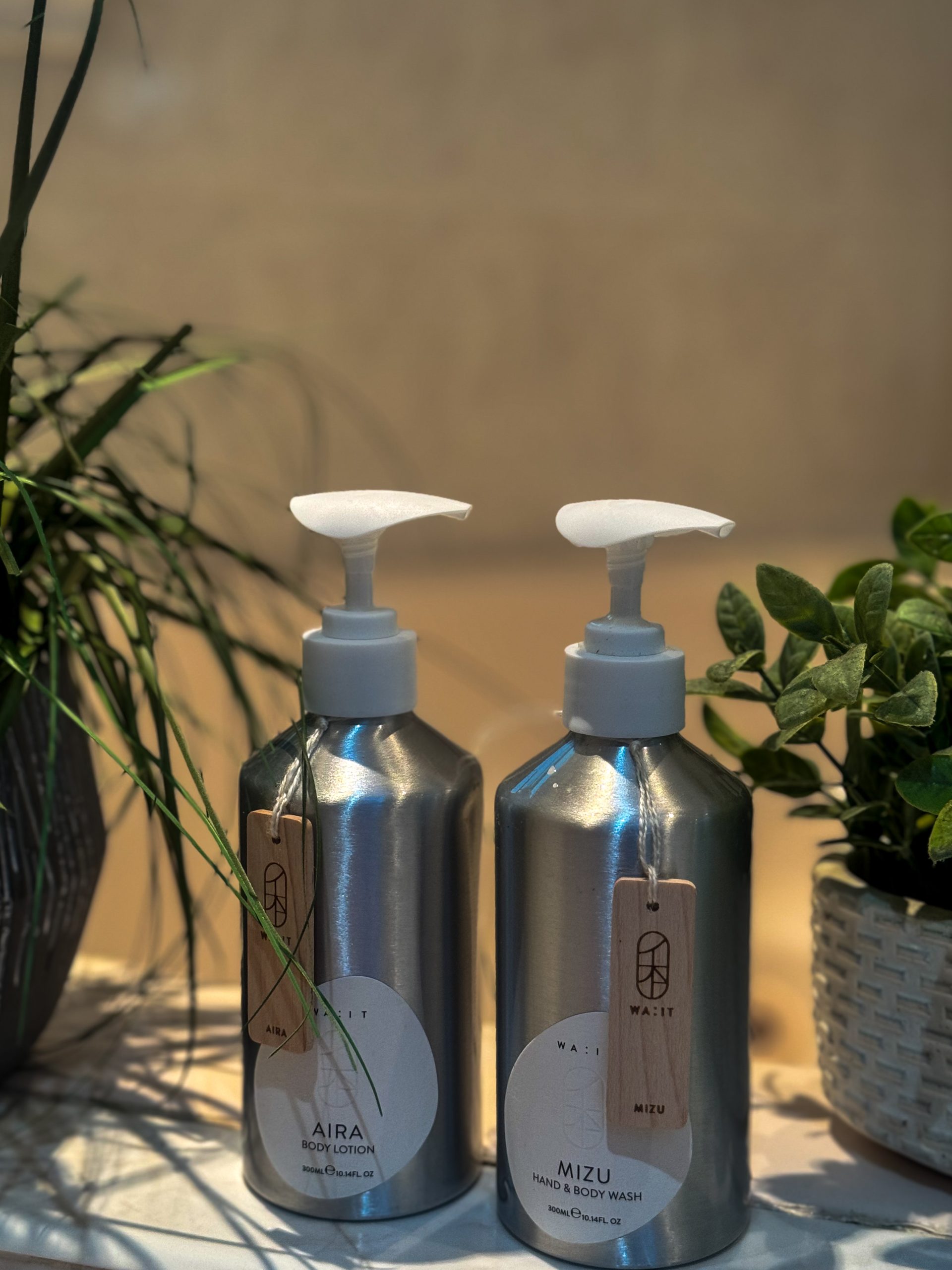
In my own experience using WA:IT — particularly the HITO fragrance roller, the Aira and Mizu body wash and lotion, and the Omni multi-purpose oil — I felt that intention almost immediately.
What struck me most was how quickly something as ordinary as a shower shifted from routine to ritual.
It stopped feeling like simple cleansing and started feeling like something deeper: a pause, a reset, a moment of returning to yourself. There is almost a neurological response to it — a quiet sense of peace, of being brought back into your body and into the present moment. You step out of that robotic rush and begin to appreciate the full, holistic experience, almost as if the cleansing is happening on a deeper level than just the surface.
The scent, the texture, the act of slowing down long enough to actually notice it — even something as simple as breathing differently in that space changes the experience. You begin to approach the ritual with more awareness, and because of that, you feel differently.
That, to me, is where WA:IT feels most powerful. Not just in the fragrance itself, but in its ability to change the emotional temperature of an ordinary moment.
And yes — the scents themselves are truly divine.
At the end of our conversation, Raffaella returned to the phrase she had repeated throughout: trust the process. Not as branding language, but as lived philosophy. Trust the vision. Follow the gut first. Let things happen in their right time. Do not be in a hurry.
Sometimes, you just have to wait.
To explore more of WA:IT’s fragrances, body care, and ritual-centered approach to emotional well-being, visit WA:IT.



One thought on “What It Means to Feel Grounded Right Now: Inside WA:IT and the Return to Emotional Luxury”
I’ve never heard of WA:IT before, but it sounds like such a lovely brand after reading this post! The idea of emotional luxury and not getting caught up in the wellness hype that’s become something it truly wasn’t meant to be (in my opinion), this really resonates with me and these products sound fantastic! I will check them out!
Wishing you a wonderful day!
Make Life Marvelous