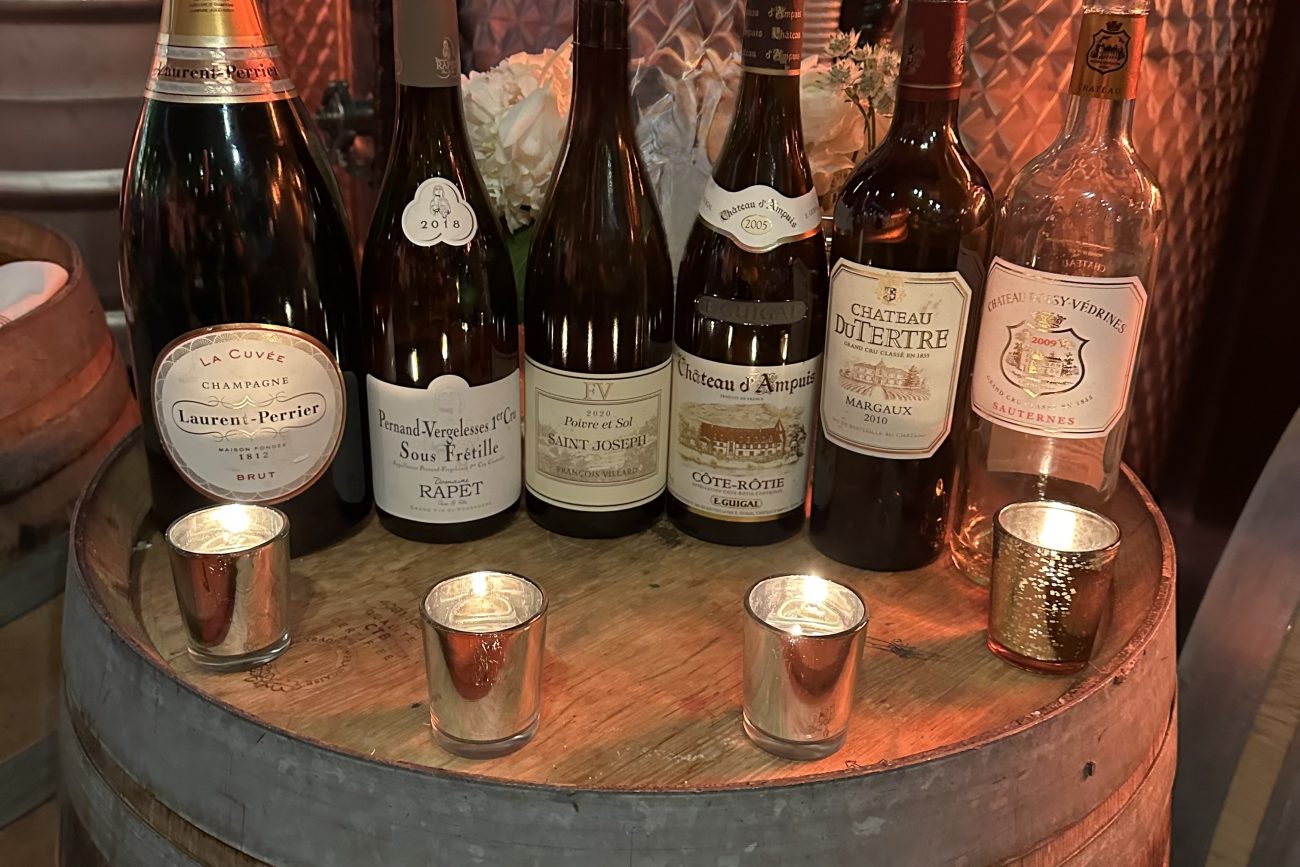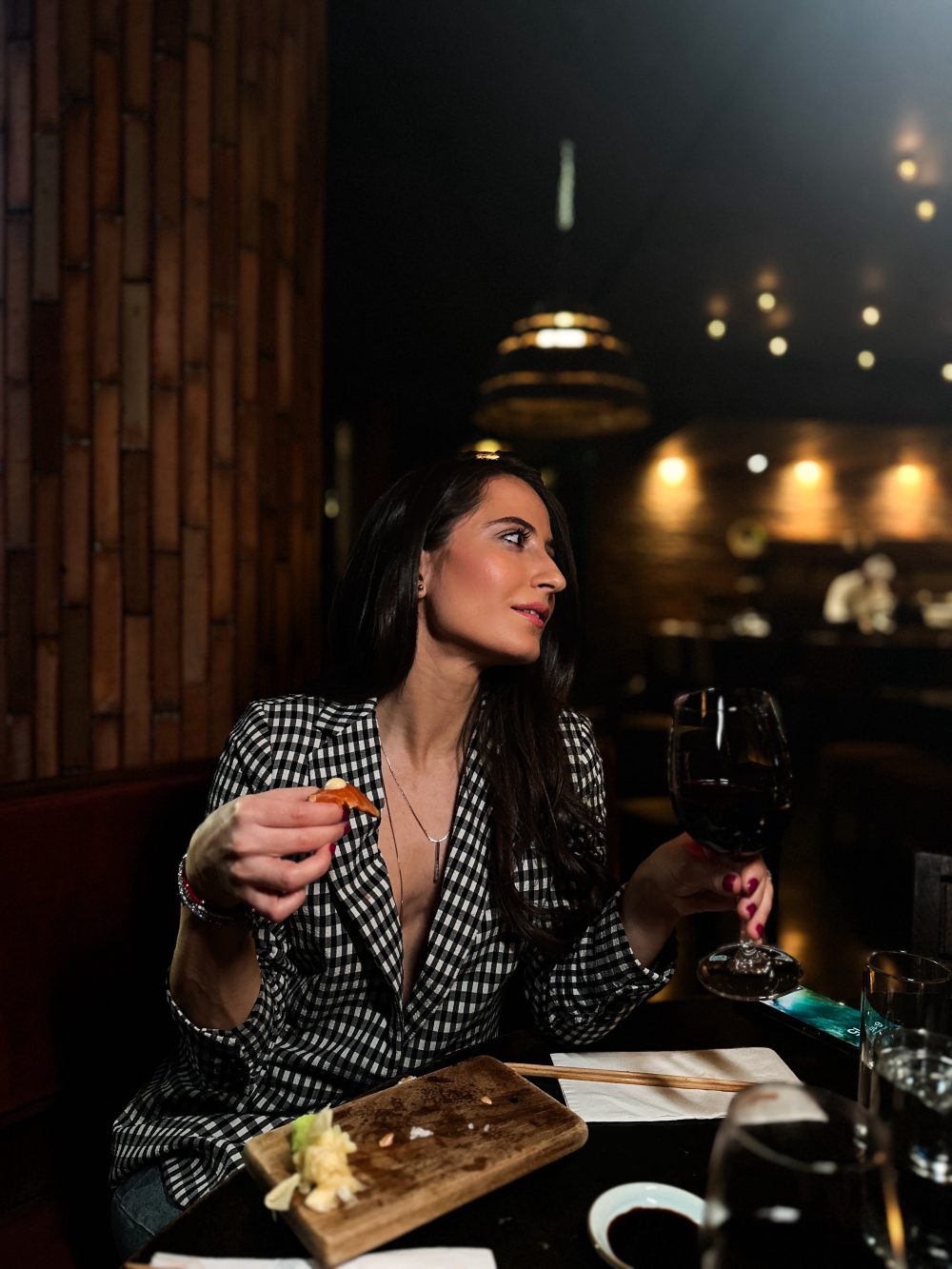
Fall is in full swing, and with it comes the most celebrated time in the wine world: harvest season. Vineyards are buzzing, leaves are turning gold, and wine tastings are at their most picturesque. Whether you’re planning a weekend getaway to a winery or curating a tasting night at home, it’s the perfect moment to brush up on your wine basics. Keep in mind there is plenty of wine content coming in the revived Wine Wednesday series but for those of you somewhat newer or love wine but don’t really know too much about it, here is a little rundown to get you started.
Common Wine Vocabulary: Speak Like a Sommelier
Understanding a few key wine terms will make tastings more enjoyable and help you articulate what you love (or don’t!) in a bottle. Here’s a handy cheat sheet:
- Body: The weight or fullness of a wine in your mouth. Wines are typically described as light, medium, or full-bodied.
- Tannins: Compounds from grape skins and seeds that create a drying or slightly bitter sensation in red wines. High tannins = more structure, good for aging.
- Acidity: The crisp, tangy sensation that gives wine freshness and keeps it lively on your palate.
- Finish: The flavors that linger after you swallow. A long finish = a wine that leaves a lasting impression.
- Nose: The aroma or bouquet of the wine—what you smell before tasting.
- Vintage: The year the grapes were harvested. Weather and climate that year affect the wine’s characteristics.
- Varietal: The type of grape the wine is made from (e.g., Merlot, Chardonnay).
- Blend: A wine made from more than one grape varietal.
- Legs / Tears: The streaks that form on the inside of the glass after swirling. They can indicate alcohol content and viscosity.
- Dry / Sweet: Dry wines have little residual sugar, while sweet wines retain sugar for a sweeter taste.
- Oaky / Buttery / Minerality: Descriptive flavors that reflect aging techniques, soil, and fermentation styles.
Tip: You don’t need to memorize them all—just start using one or two at tastings to describe what you notice. Confidence is half the fun!
Quick Wine Vocabulary Practice
Next time you sip, try describing your wine using these three simple prompts:
- Aroma: Fruity, floral, earthy, or spicy?
- Body & Texture: Light, medium, full? Smooth, crisp, silky?
- Finish: Short, clean, lingering, or bold?
Doing this regularly will turn you into a confident taster in no time.
Red Wine: Bold, Cozy, & Timeless
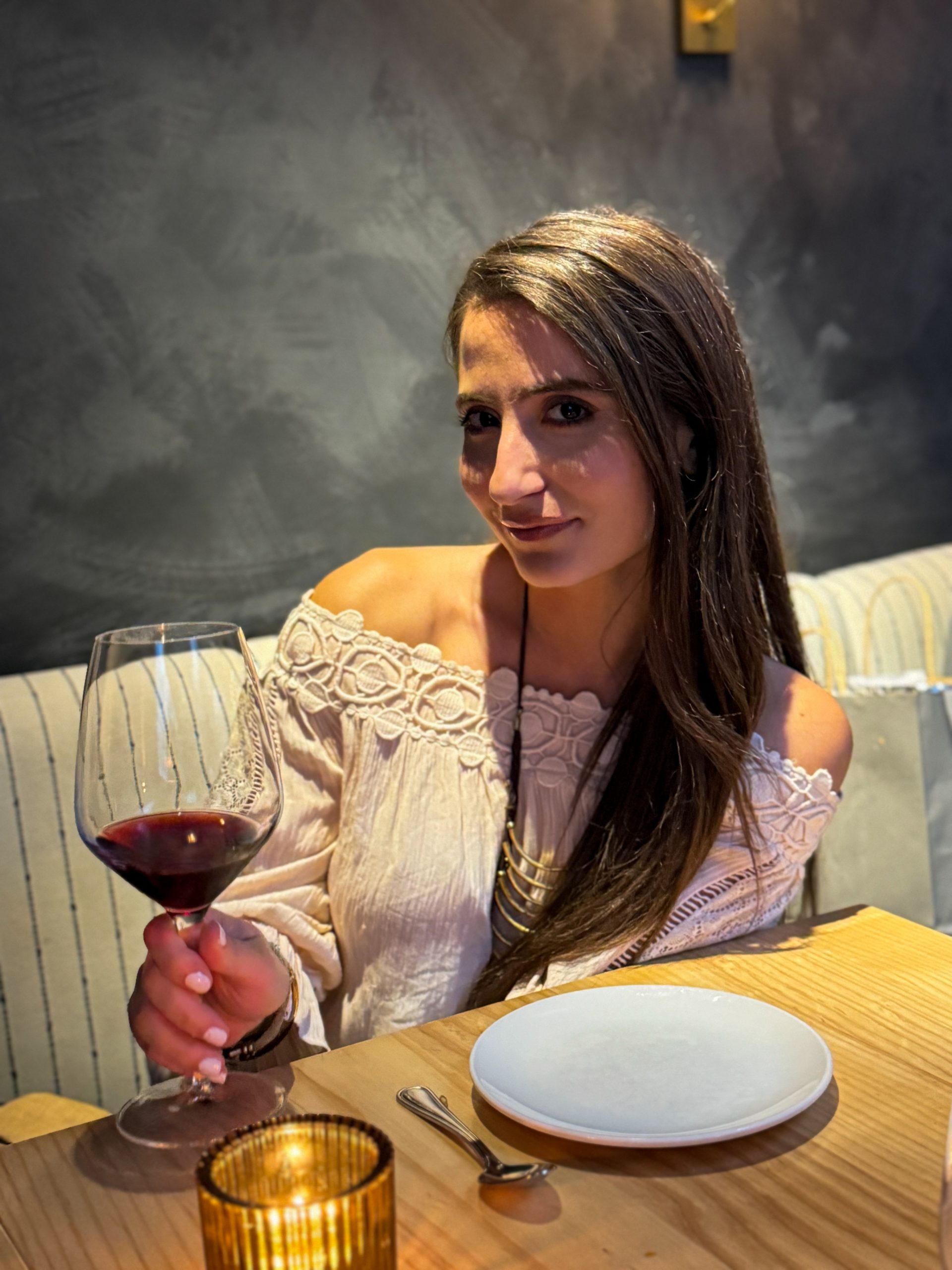
Red wines get their signature color and tannins from fermenting with grape skins. They’re perfect for crisp fall evenings and heartier meals. Red wine
- Typical Varieties: Cabernet Sauvignon, Merlot, Pinot Noir, Syrah/Shiraz, Malbec
- Tasting Tip: Notice the structure and texture—are the tannins soft or gripping? This affects how it pairs with food.
- Pairing: Roasted meats, rich pasta dishes, and aged cheeses
White Wine: Fresh & Versatile
White wines are typically fermented without skins, giving them a lighter body and refreshing finish. They’re perfect for early autumn lunches or as a crisp contrast to heartier dishes.
- Typical Varieties: Chardonnay, Sauvignon Blanc, Pinot Grigio, Riesling
- Tasting Tip: Focus on acidity and fruit notes—citrus, apple, pear, or tropical hints can come through.
- Pairing: Seasonal vegetables, poultry, or light seafood
- Whites are typically more acidic — and therefore you can think of it similarly to how you’d squeeze over lemon over seafood etc for that kick of brightness and acidity.
Rosé: Summer’s Sophisticated Cousin
Rosé is made by letting red grape skins touch the juice briefly. It balances the vibrancy of red with the freshness of white, making it versatile for all seasons.
- Typical Varietals: Grenache, Syrah, Mourvèdre, Sangiovese
- Tasting Tip: Look for subtle fruit flavors—strawberry, watermelon, or citrus zest.
- Pairing: Cheese boards, charcuterie, grilled vegetables
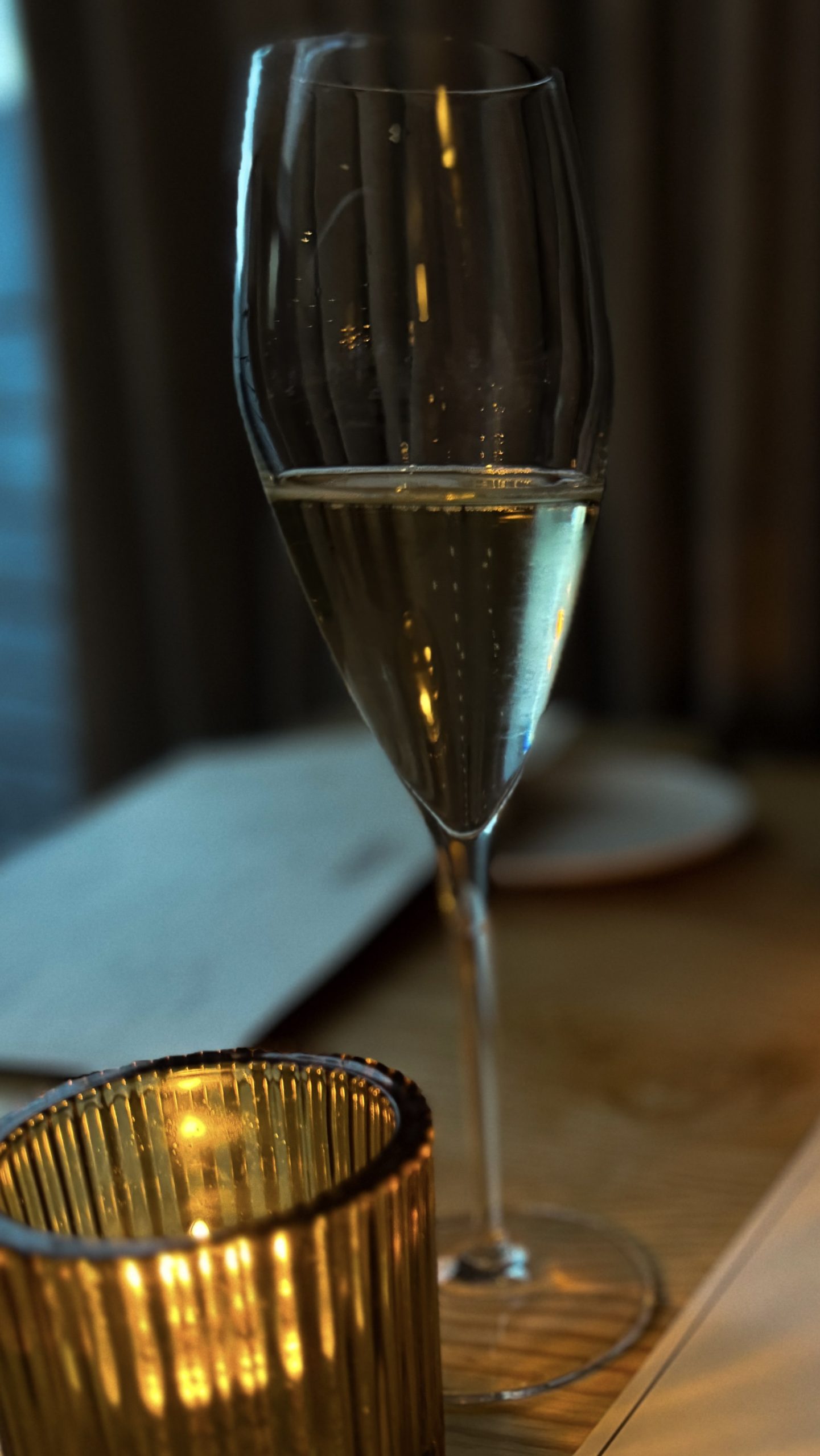
Sparkling Wine: Celebration in a Glass
Sparkling wines are fermented twice to create bubbles, making them naturally festive. Perfect for gatherings or just because.
- Typical Varietals: Champagne, Prosecco, Cava
- Tasting Tip: Pay attention to the mousse (the bubbles)—fine, persistent bubbles indicate quality.
- Pairing: Light appetizers, seafood, or even fried dishes for a playful contrast
Dessert & Fortified Wines: Sweet Endings
Dessert wines and fortified wines are richer, often with higher sugar or added spirits. They’re perfect for after-dinner sipping or pairing with cheese and desserts.
- Typical Varietals: Moscato, Sauternes (Semillon/Sauvignon Blanc), Port (Touriga Nacional)
- Tasting Tip: Sip slowly to enjoy layers of sweetness, spice, and fruit concentration.
- Pairing: Dark chocolate, blue cheese, or seasonal pies
Tips for Tasting Like a Pro
- See: Observe color and clarity—this gives hints about age and grape type.
- Swirl: Oxygen awakens aromas and flavors.
- Smell: Take deep sniffs to pick up fruity, floral, or earthy notes.
- Sip: Let the wine coat your palate to notice balance and body.
- Savor: Reflect on the finish and lingering flavors—this is what separates a casual sip from a tasting experience.
Why Fall is Prime Tasting Season
Harvest season means vineyards are alive with activity, grapes are at their peak, and winemakers often host events, tours, and tastings that are visually stunning. Fall also pairs beautifully with wine: roasted dishes, cozy nights, and golden leaves make every sip feel like part of the experience.
Wine tasting doesn’t have to be intimidating. Start with these basics, explore varietals you’re curious about, and embrace the season. Whether at a vineyard or your own kitchen table, fall is the perfect time to sip, learn, and savor.