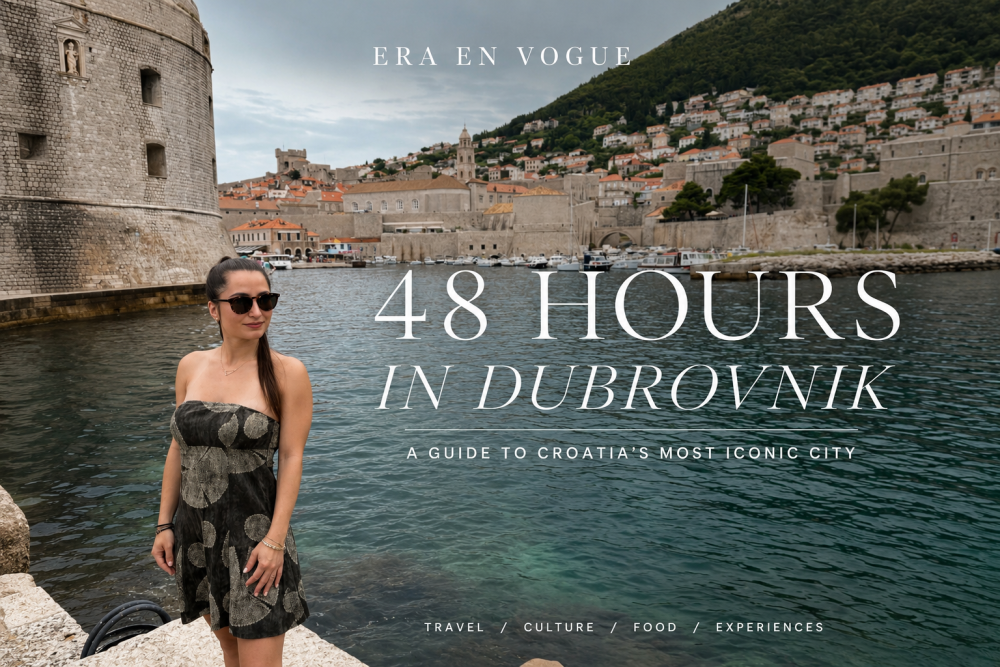
Some cities you visit. Dubrovnik, you walk into — quite literally, through one of three medieval gates, and straight into a city that hasn’t fundamentally changed its skyline in centuries. This is the one Croatian destination that needs no introduction, and for once, the reputation actually holds up.
The Walls
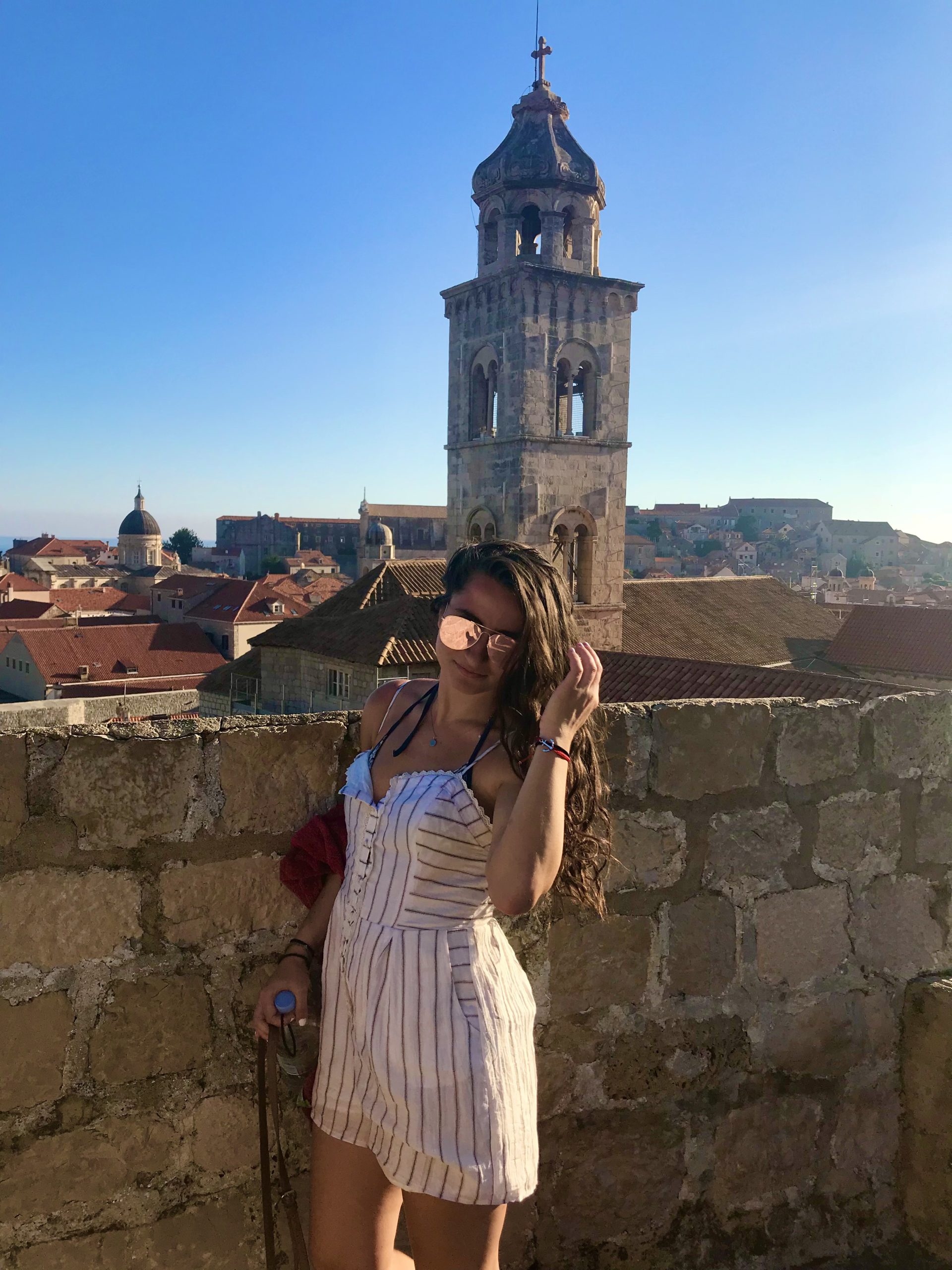
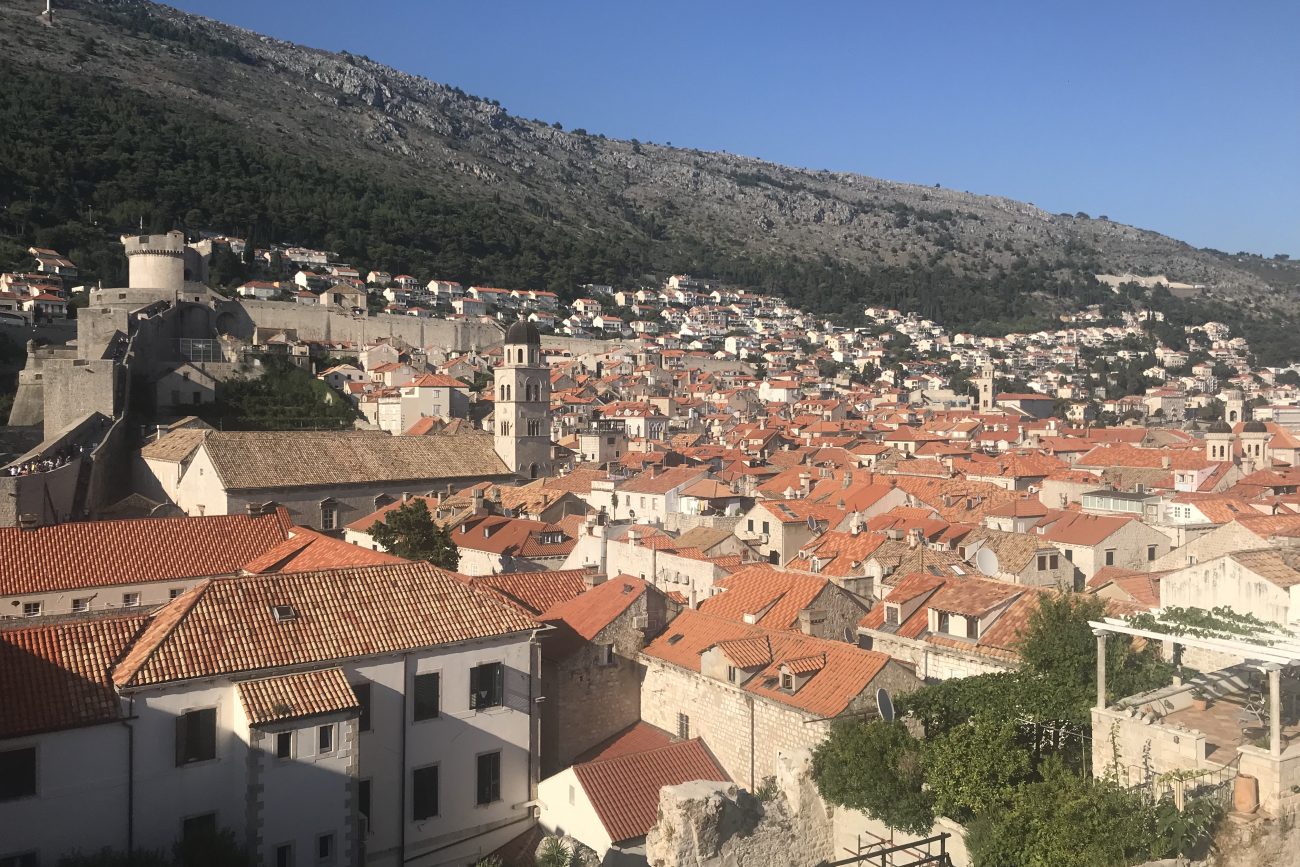
Start here, and start early. The walls circle the entire Old Town for two kilometers, and the walk itself is closer to a workout than a stroll — nearly 1,200 steps, with almost no shade along the way. I went right around 8am, and it made the whole difference: the light was soft, the stone hadn’t heated up yet, and the crowds that build fast after 10:30 hadn’t arrived. Budget 1.5 to 2 hours if you’re stopping for photos, which you will be, constantly — every turn opens onto another impossible view of terracotta rooftops dropping into the Adriatic.
A wall ticket runs around 40 EUR, but I’d get the Dubrovnik Pass instead — same price, and it also covers the Rector’s Palace, the Maritime Museum, and a day of public transport. If you’re doing even one museum on top of the walls, it’s the better deal outright.
Standing in King’s Landing
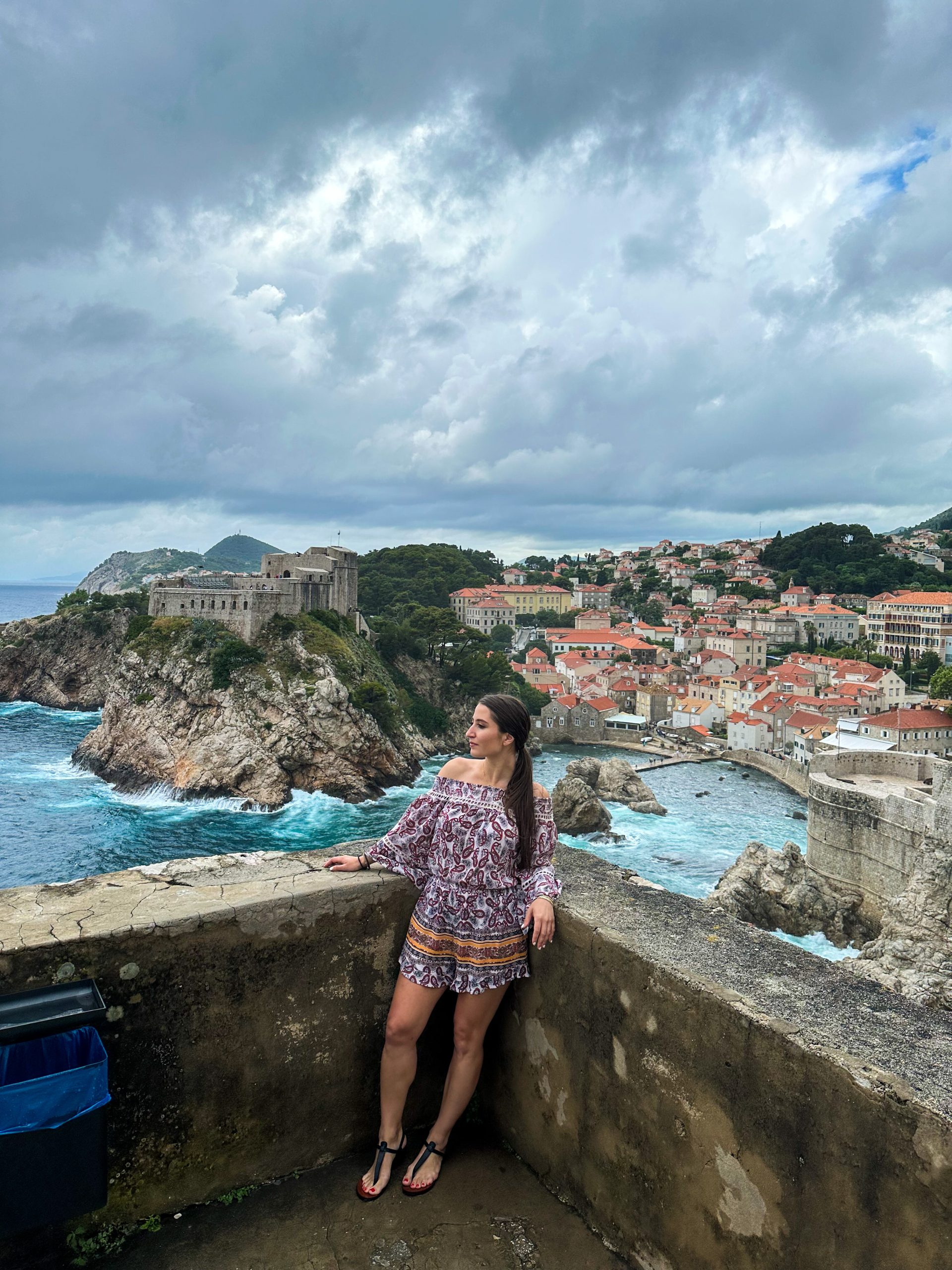
I’ll admit it — the Game of Thrones locations were half the reason I was so excited for this city, and Dubrovnik leans into it without irony. Fort Lovrijenac, just outside the western walls, played the Red Keep for most of the series’ run; walking through it, it’s obvious why — thick stone, a commanding position over the harbor, exactly the kind of fortress you’d want painted on a map of Westeros.
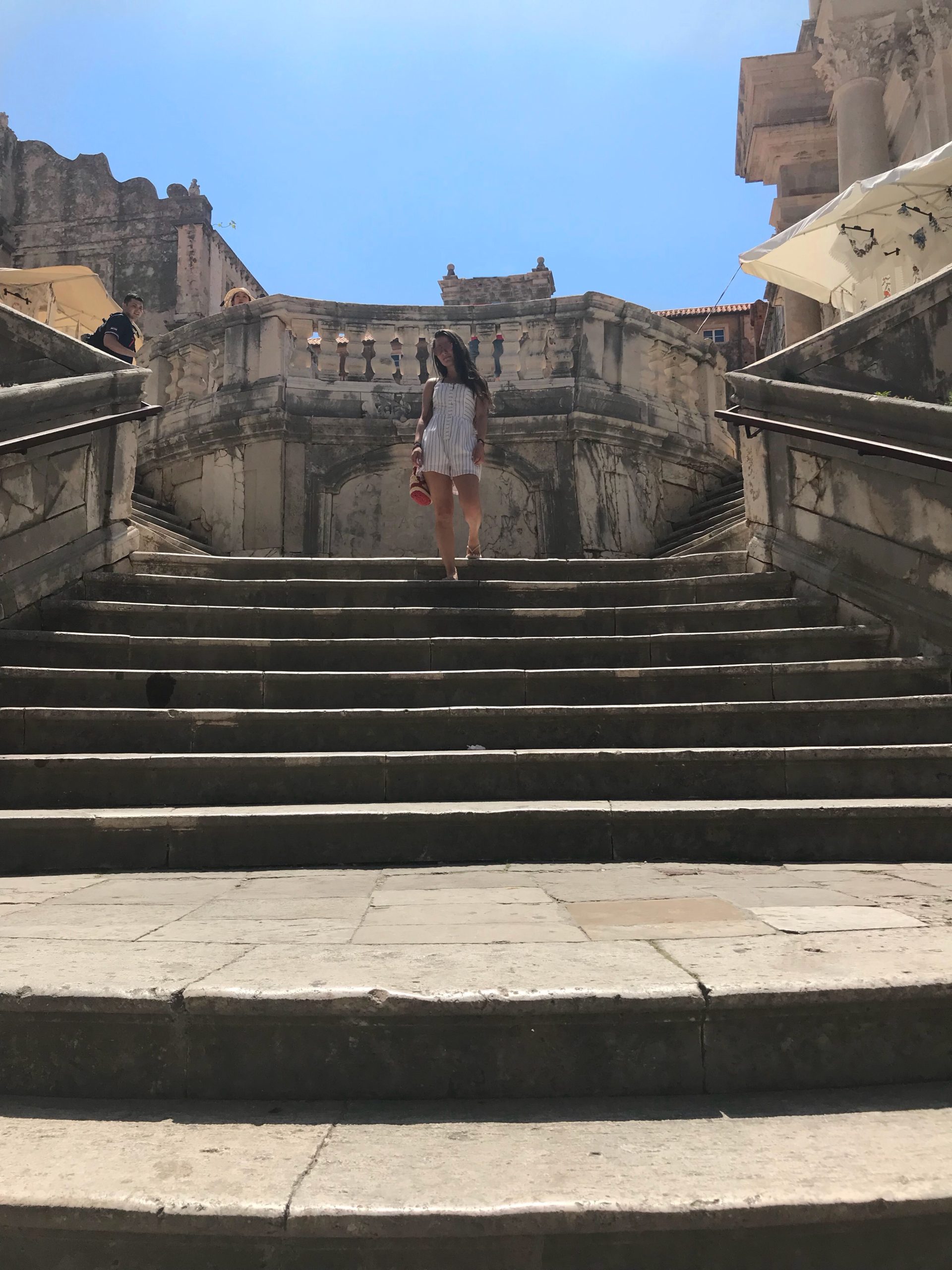
Inside the Old Town, the Jesuit Stairs — a grand Baroque staircase leading up to the Church of St. Ignatius — are where Cersei’s infamous Walk of Shame began. It’s a genuinely striking piece of architecture on its own, GoT fame aside, and worth the climb up to Bošković Square at the top even if you’ve never watched a single episode. Pile Gate, the main western entrance to the Old Town, shows up repeatedly throughout the series too — it’s the actual gate you’ll walk through to start your day here, which makes the whole city feel a little more layered once you know what you’re looking at.
Even if you’ve never watched Game of Thrones, you’ll recognize why producers chose Dubrovnik. It already feels fictional.
Up to Srđ
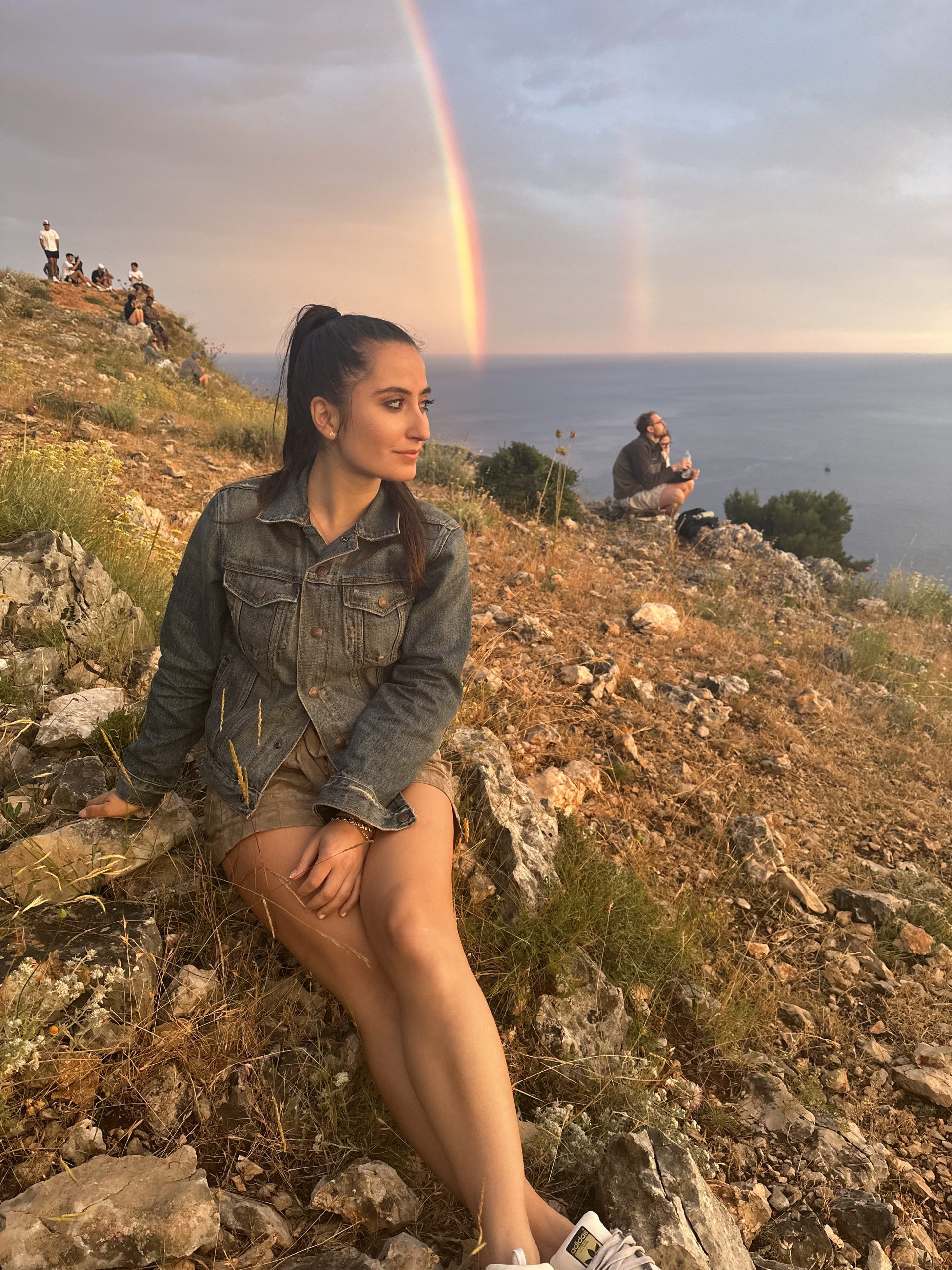
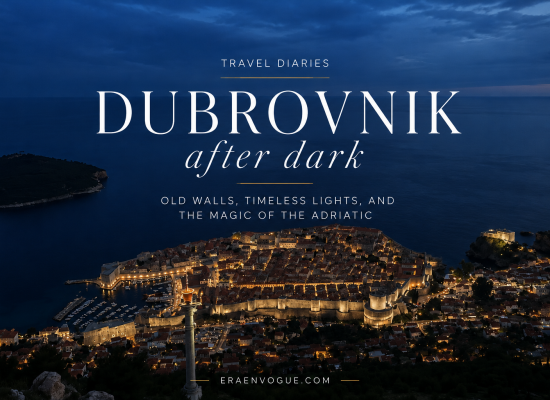
I walked up rather than taking the cable car, timing it for sunset, and it was magnificent — worth every step. The trail switches back and forth up the hillside, mostly out in the open, so it’s a hot climb if you’re doing it midday, but by early evening the heat begins to fade and the light turns everything gold. The view reveals itself gradually: the tree line falls away, and suddenly the entire walled city, the harbor, and the open Adriatic are laid out beneath you all at once. At the top, if you’d rather sit and take it all in than keep moving, there’s Panorama — a restaurant and bar beside the upper cable car station with unobstructed views back over the Old Town. Book ahead if you want a table at sunset; it fills up fast for exactly the reason you’d expect.
Earlier that afternoon, Dubrovnik had been hit by a torrential downpour, and for a while it seemed any chance of a sunset had disappeared with it. Instead, the storm made what came next even more spectacular. As evening settled in, the clouds slowly parted, revealing golden light spilling across the terracotta rooftops while a rainbow stretched over the Adriatic.
Standing atop Mount Srđ, looking out over the walled city and endless sea, was one of the most unforgettable travel moments I’ve experienced to date. I wasn’t there with a boyfriend, yet I’d still rank it among the five most romantic experiences imaginable. Some places are beautiful because of the view; this one stays with you because of the feeling.

Kayaking to Lokrum
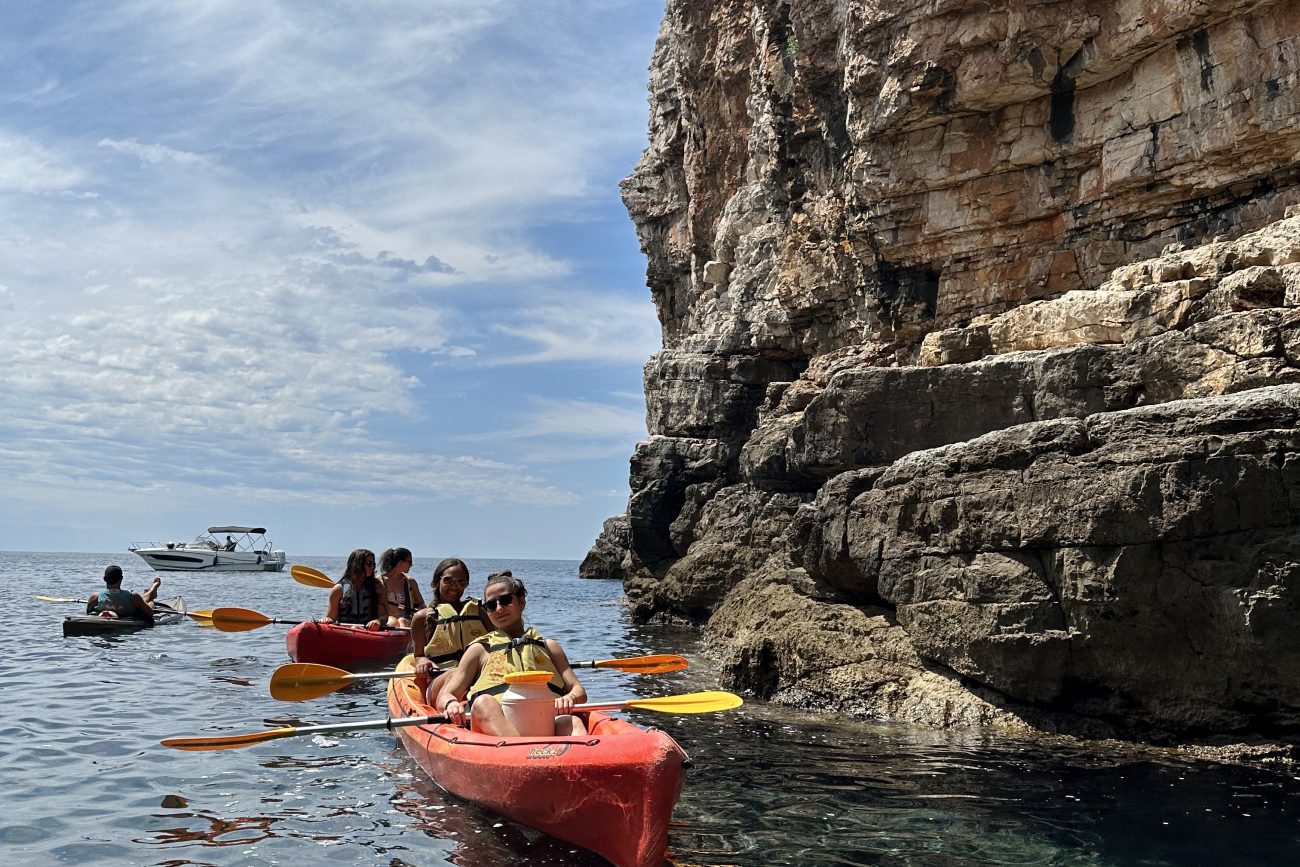
If Dubrovnik is King’s Landing, Lokrum — the small wooded island a short paddle from the Old Harbor — is Qarth, and it’s an entirely different pace of day. Local legend holds it’s cursed, supposedly since a Benedictine monastery was disbanded there centuries ago, which only makes the peacocks wandering freely around the island feel more fitting. I did a kayak excursion around the island rather than the ferry, which included time to stop and swim partway through — no crowd, just open water, the walls receding behind you, and a proper swim break before circling back. It’s a different way to see the coastline entirely, and the water out there is some of the clearest I found anywhere in Dubrovnik.
The Cliff Bar
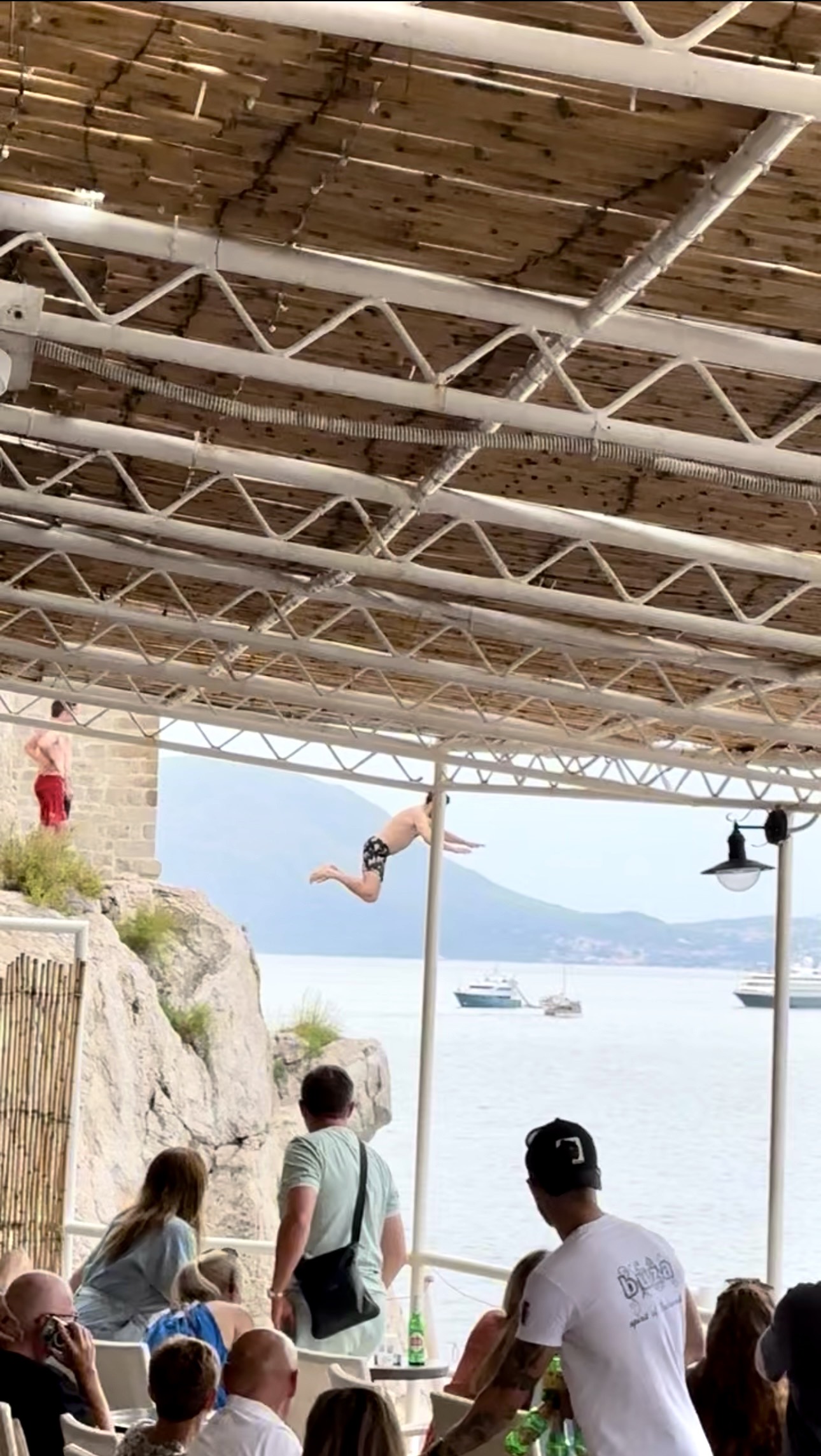
No visit here is complete without finding your way to Buža — the “hole in the wall” bar built directly into the cliffs outside the city walls, serving drinks from a ledge above the open sea with genuinely nothing between you and the water. There’s no address to speak of; you find it by following the signs marked simply “cold drinks” through a gap in the wall. Grab a seat, order something cold, and watch the locals and the braver tourists take turns jumping off the rocks into the water below — it’s half the entertainment of being there. Watching the sun drop into the Adriatic from a plastic chair wedged into limestone is one of those experiences that photographs beautifully but somehow still undersells the real thing.
—
Fourty-eight hours here barely scratches it, but it’s enough to understand why Dubrovnik earns every bit of its reputation. Up next: where I ate, and what the city looks like after the walls close for the night.
Part of an ongoing Croatia series — see the full guide for more.