Just across the border from Split, wild horses, karst rivers, old-world rhythms and a remarkable diaspora culture make Livno worth slowing down for.
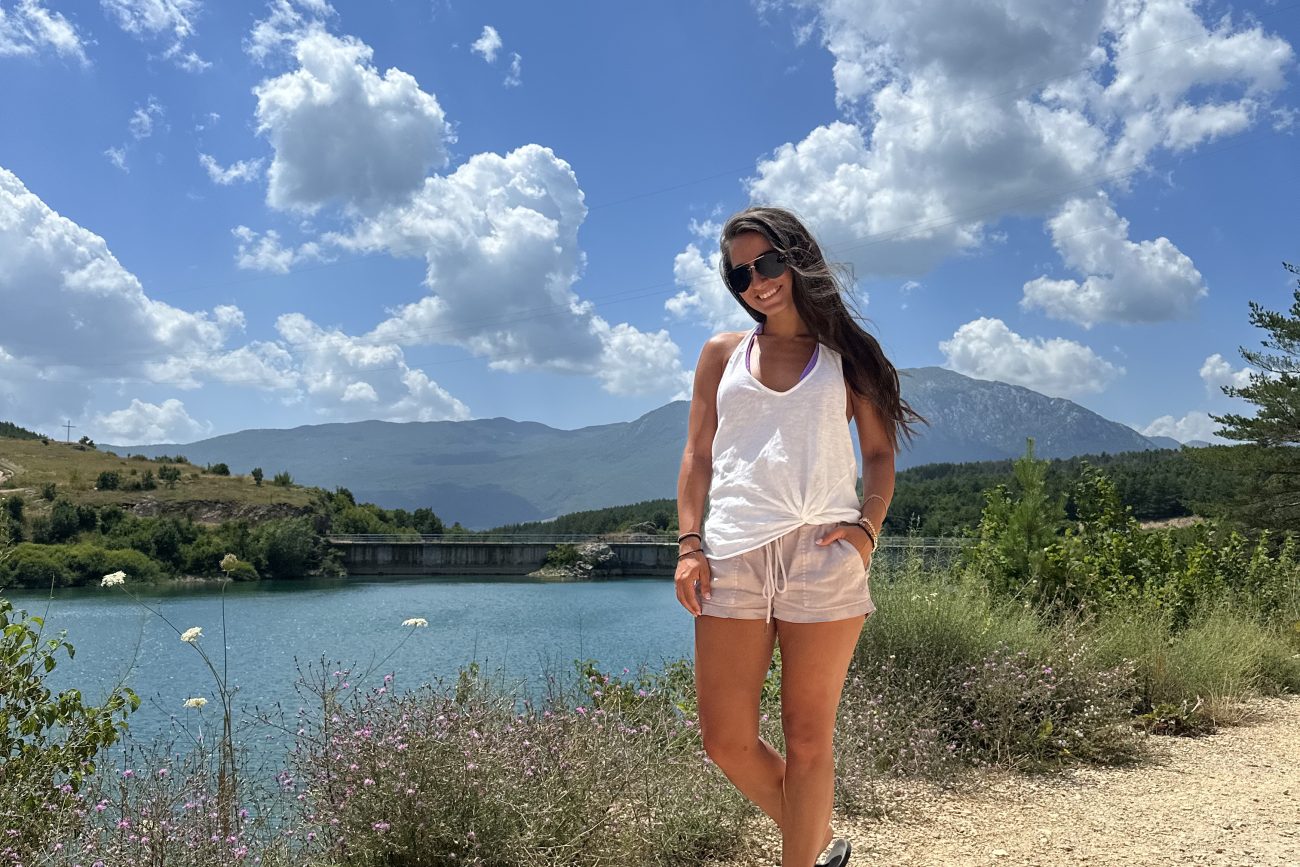
I’ve been going to Livno for almost as long as I can remember, which is probably why it took me so long to understand what makes it extraordinary.
Coming from Split, the contrast is immediate. The Adriatic disappears behind you, the pace slows, mountains begin to rise in the distance, and the landscape opens into rolling fields, streams and enormous stretches of green — Livno somehow feels both expansive and protected, as though it occupies its own pocket of the earth, slightly removed from everything happening beyond it.
Life here is simpler, with less polish, less urgency and very little interest in keeping up appearances. What you notice instead is an almost tangible sense of contentment: long meals, familiar faces, unhurried afternoons and evenings that cool so dramatically after scorching summer days that a sweatshirt and pants suddenly make perfect sense.
The architecture is modest, and you won’t find towers or gleaming new developments dominating the skyline — instead, homes and older buildings can make certain streets feel as though they belong to another era. The air smells genuinely clean, occasionally mixed with smoke from fields or crops burning somewhere in the distance, and at night, without the glare of a larger city, the sky seems to fill with more stars than you remembered existed.
And perhaps that is Livno’s greatest luxury: time feels different here.
For travelers spending their summer along the Croatian coast, I like to think of Livno as the reset within the vacation. There is plenty to do, from searching for wild horses to hiking, quad riding and canoeing, but the rhythm here is entirely different from the coast.
You can technically visit from Split in a day, though I wouldn’t — two or three nights allow you to experience Livno at the pace it deserves.
The Wild Horses of Livno
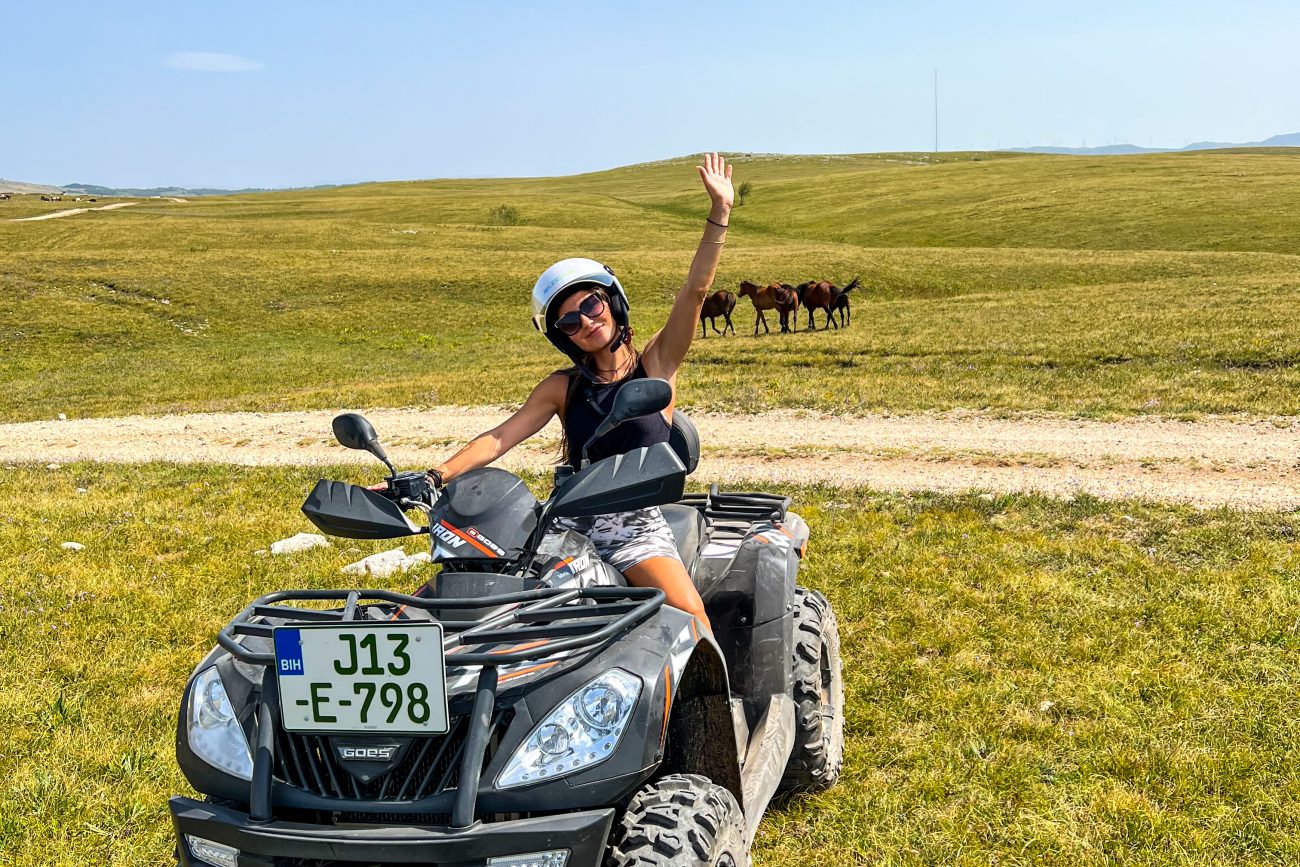
Nothing quite prepares you for this one.
High above Livno on the Kruzi plateau, free-roaming horses move through an enormous open landscape beneath Mount Cincar. Their ancestors were working horses once used by local farmers before mechanization gradually made them unnecessary, and generations later, the herds now live freely across the plateau.
Finding them is part of the experience. There is no paddock waiting at the end of the road and no guarantee that the horses will be standing exactly where you expect them, so you head into the landscape looking for them, scanning hillsides and open fields until suddenly a herd appears in the distance. That unpredictability is precisely what makes the experience feel so special.
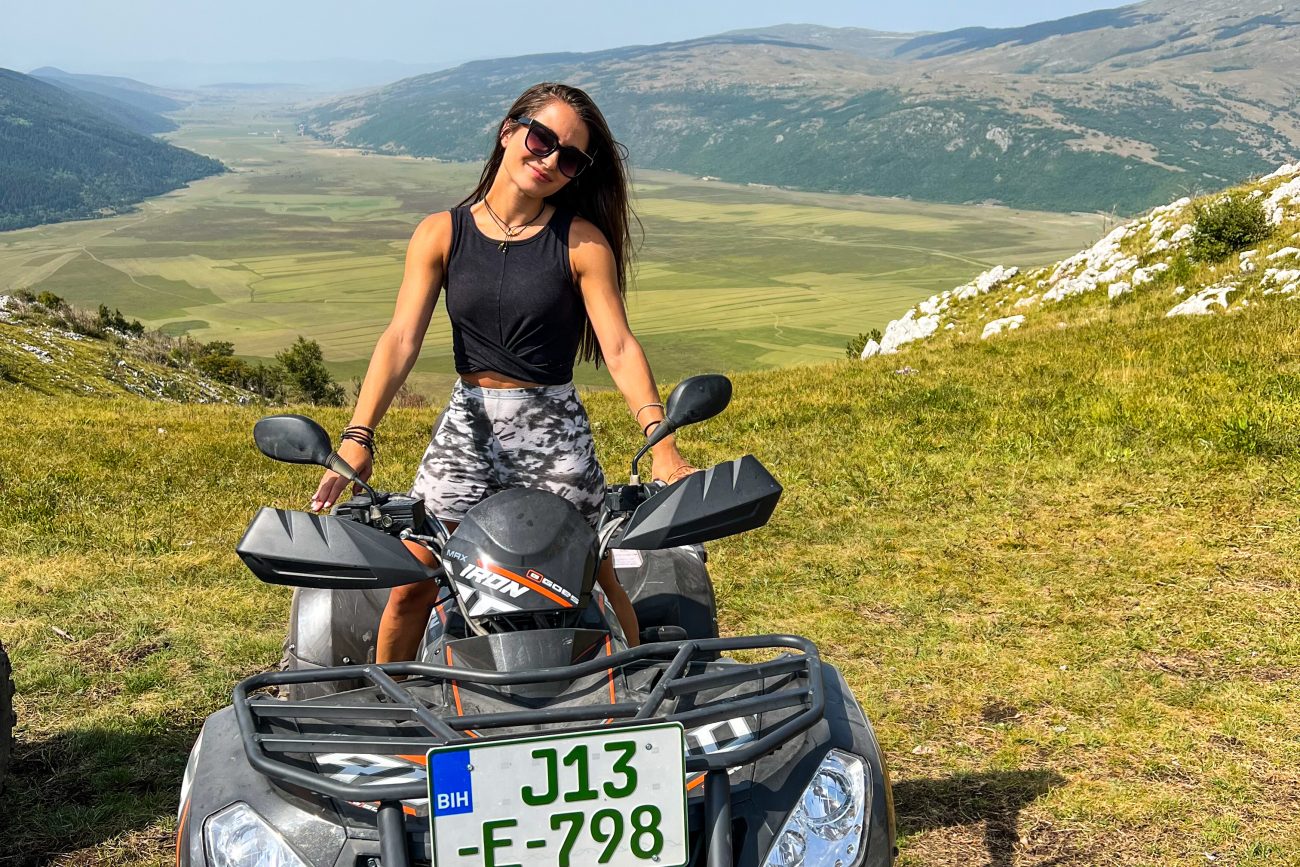
I especially recommend making an adventure out of the journey itself — quad excursions with Livno Quads & Wild Horses take you through the surrounding highlands and give the experience an entirely different energy: open terrain, mountain air, a little adrenaline, and eventually the payoff of seeing the horses against a landscape that feels almost impossibly large.
They are still animals living freely in their own environment, rather than a tourist attraction arranged for visitors, so follow your guide’s instructions and give them appropriate space.
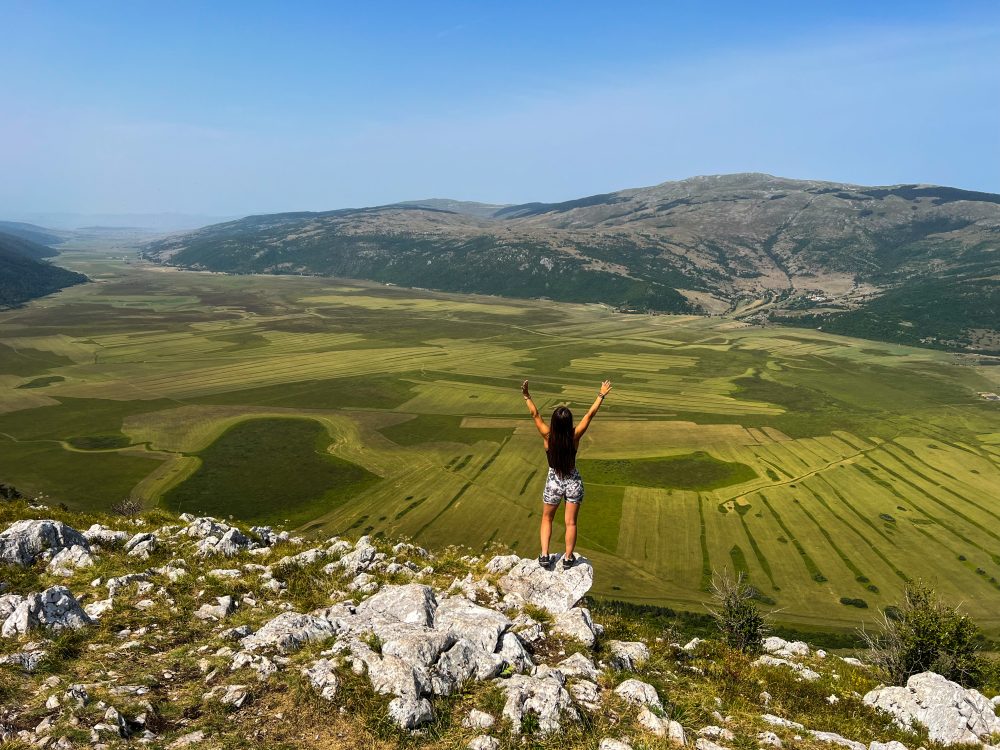
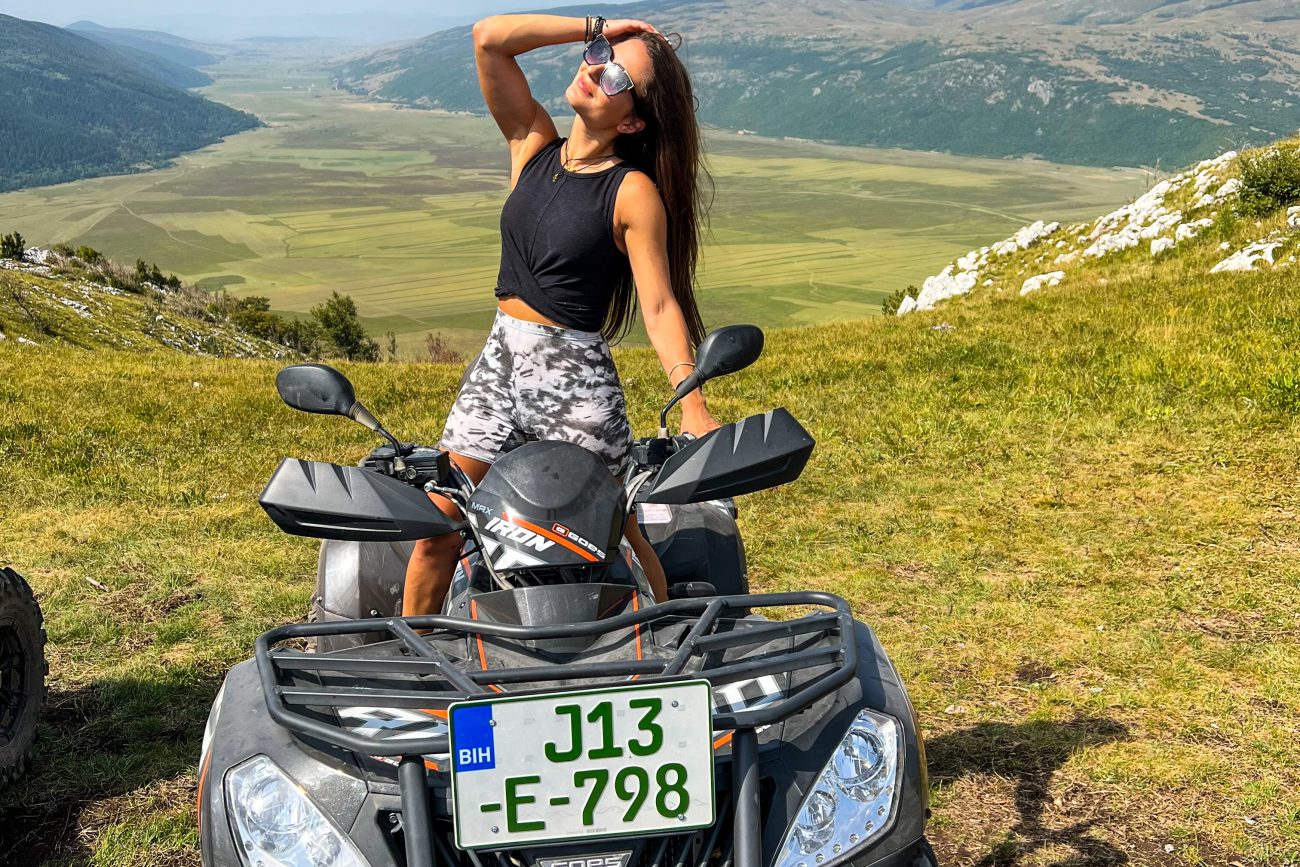
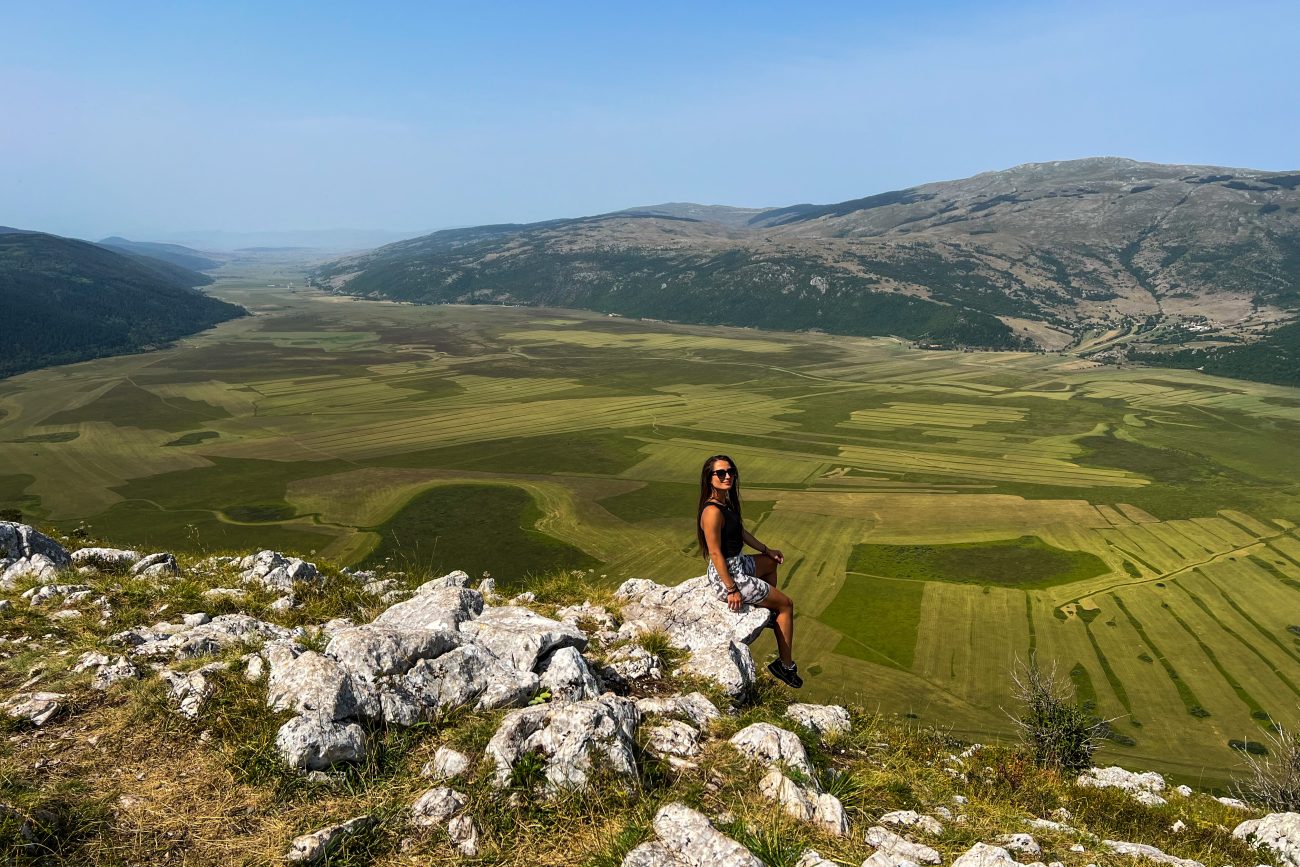
We also always make time for a drive out toward the view over Glamočko Polje, where the landscape seems to open endlessly beneath you — fields, mountains and almost nothing interrupting the horizon. It’s one of those simple stops that perfectly captures why this part of Bosnia feels so wonderfully removed from everything else.
It is one of those experiences that sounds impressive on paper and somehow feels even bigger when you are actually standing there. It is one of the most breathtaking and surreal experiences you will have.
Duman: Where the River Begins
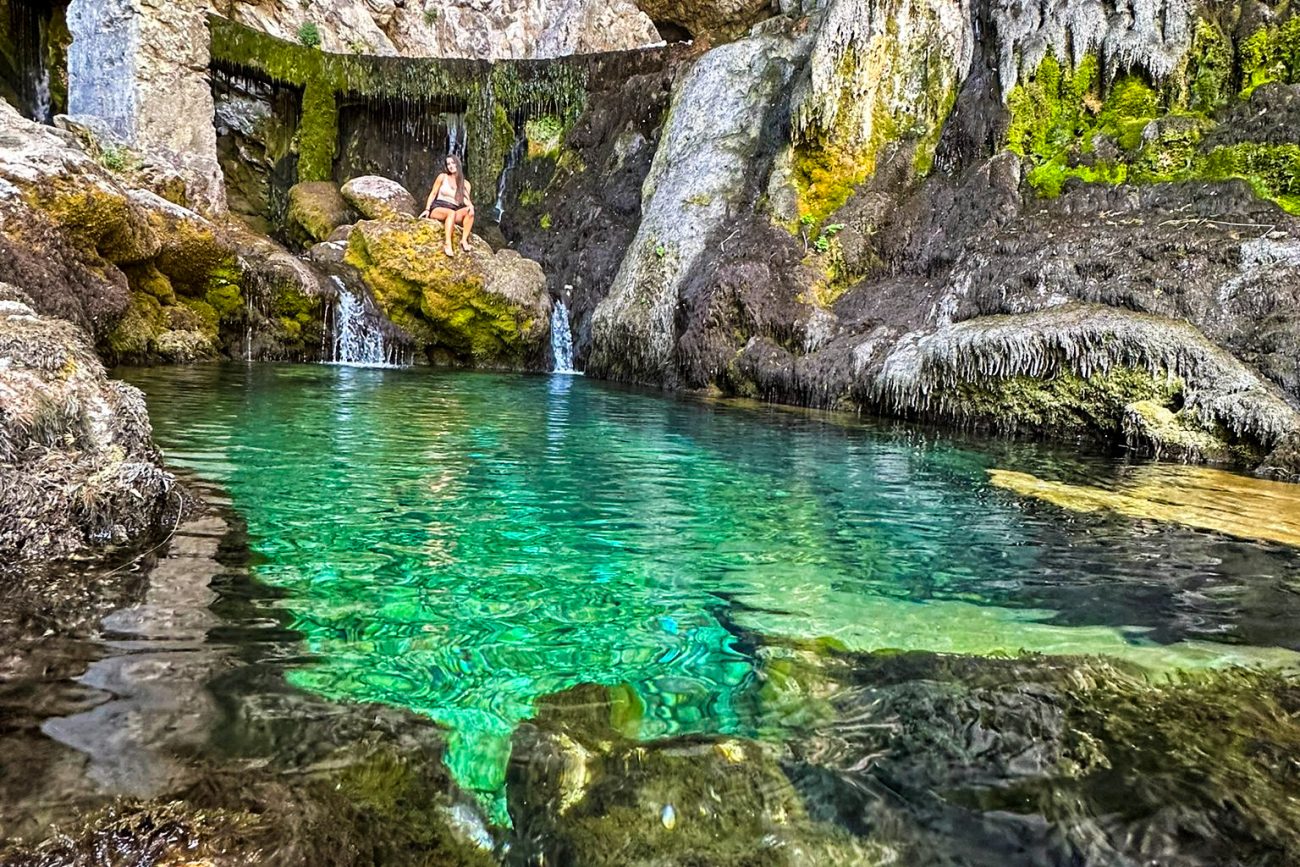
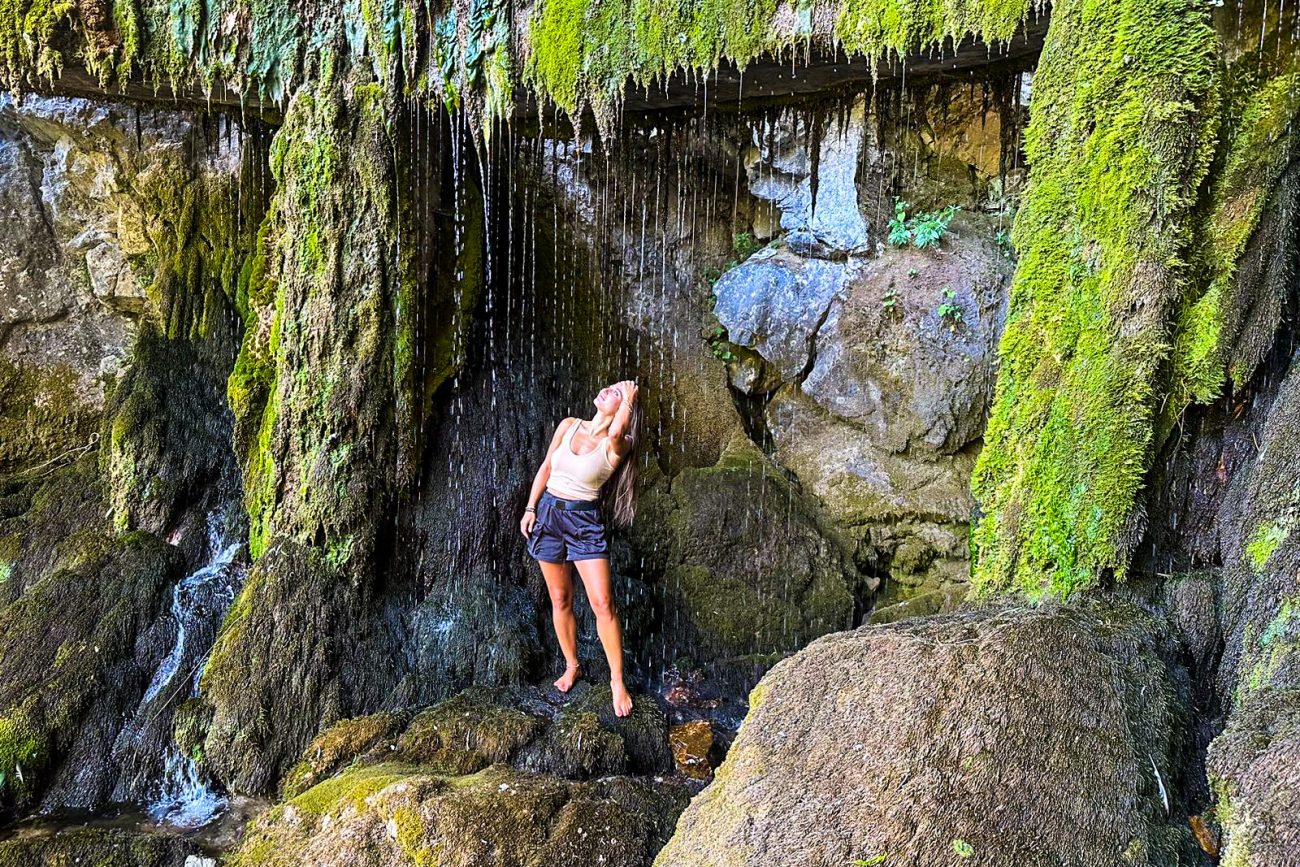
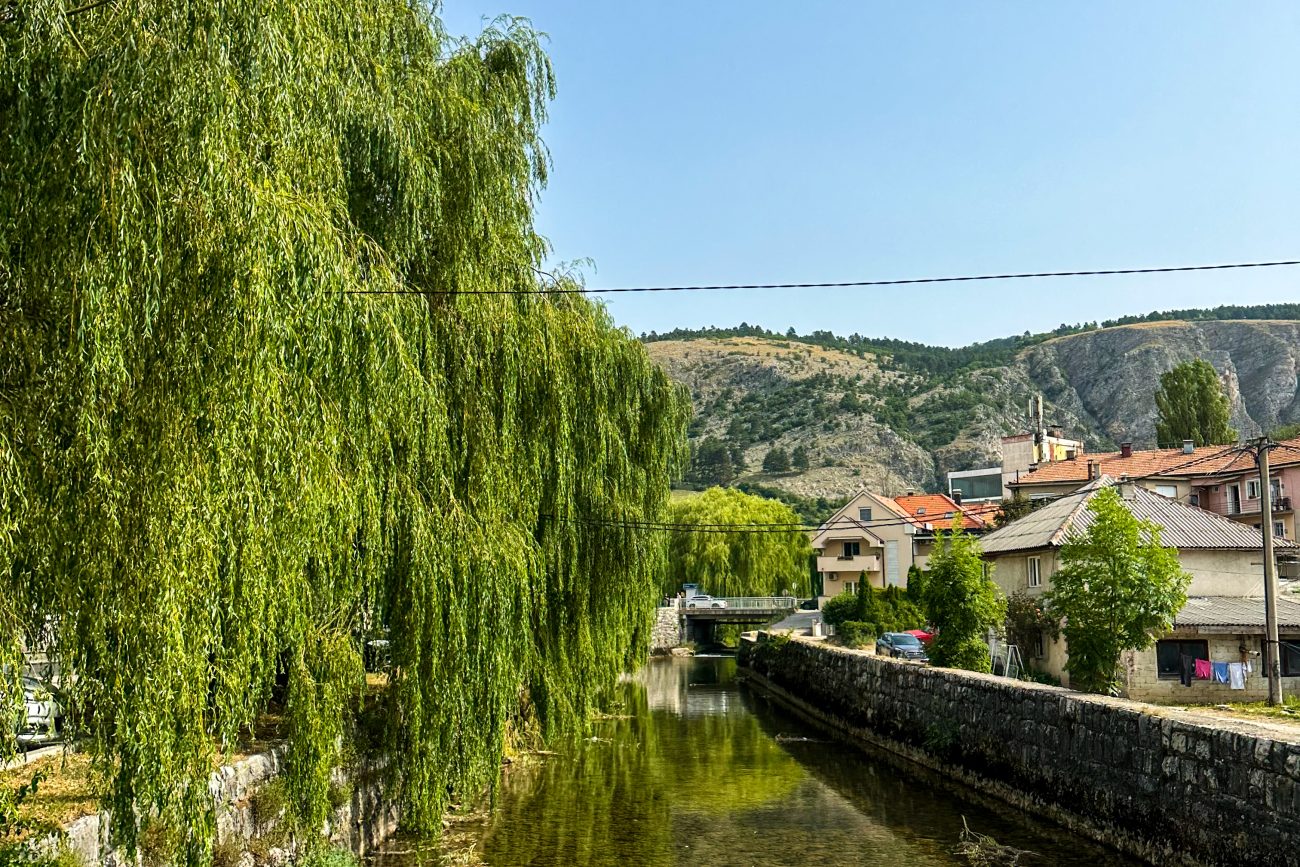
At the foot of Bašajkovac sits one of Livno’s most distinctive natural landmarks: Duman, where the Bistrica River emerges from beneath the limestone cliffs almost directly into town.
It is the kind of geological feature you might expect to travel deep into the countryside to find, yet in Livno it sits woven into everyday life — the contrast is part of its charm: rock, cold rushing water, old streets and the town unfolding around it.
The water is famously cold, even at the height of summer, and standing beside it can feel like stepping into a completely different climate from the heat just a few streets away. Nearby, an old stone bridge adds another quietly picturesque layer to the scene.
It is not a place that demands hours of your itinerary — but it is definitely worth the stop, to slow down and understand Livno a little better.
Above Livno: Bašajkovac
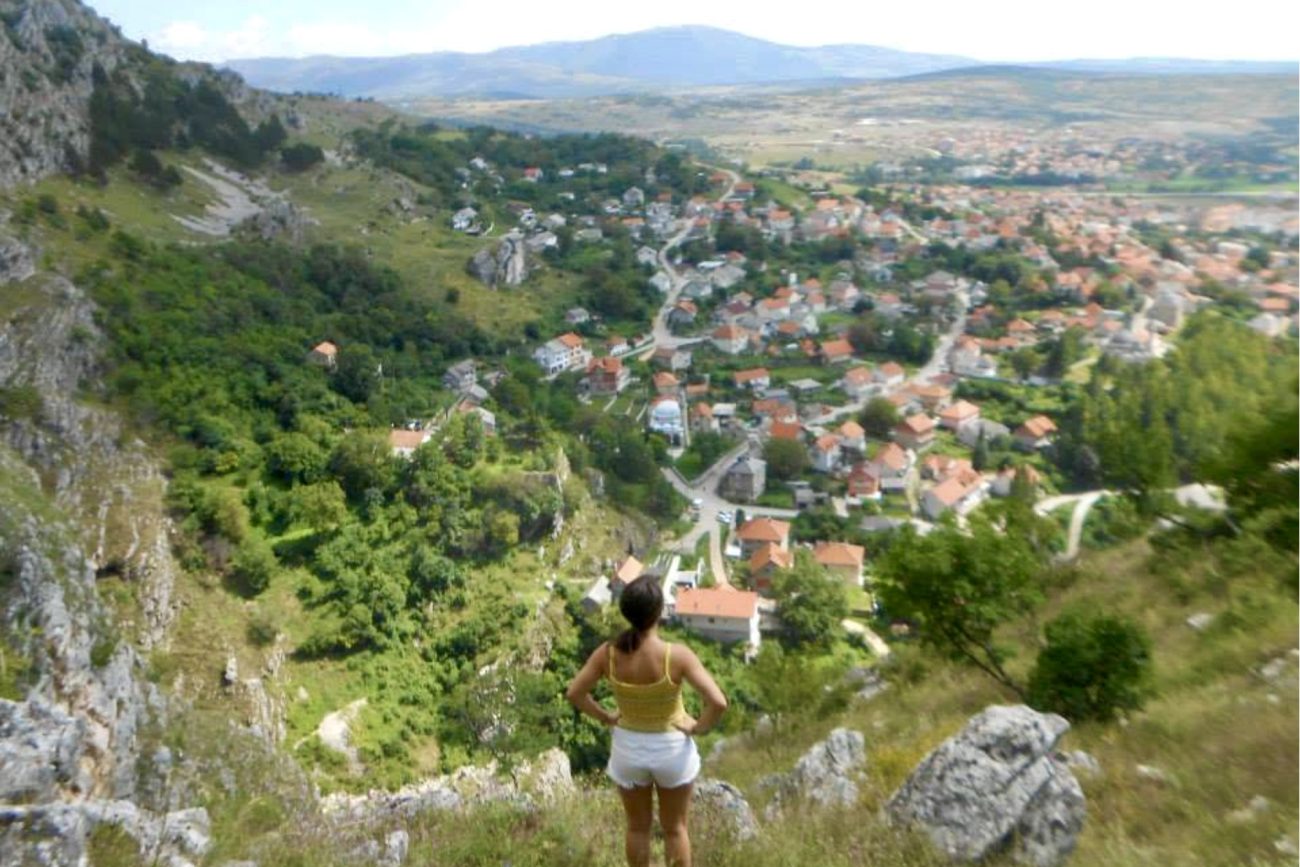
For one of the best perspectives over the town, head upward toward Bašajkovac. Calling it a serious hike would be generous — I have done it in flip-flops, and that is part of the appeal.
The climb is relatively unfussy, but from above, Livno reveals itself differently: the rooftops below, open fields beyond them and mountains framing the entire landscape. From this vantage point, the town’s unusual geography makes more sense — there is an openness to the valley, yet the surrounding mountains make it feel protected at the same time.
It is one of my favorite characteristics of Livno: the sensation of being somewhere expansive that somehow still feels tucked away from the rest of the world.
Slow Down on the Sturba
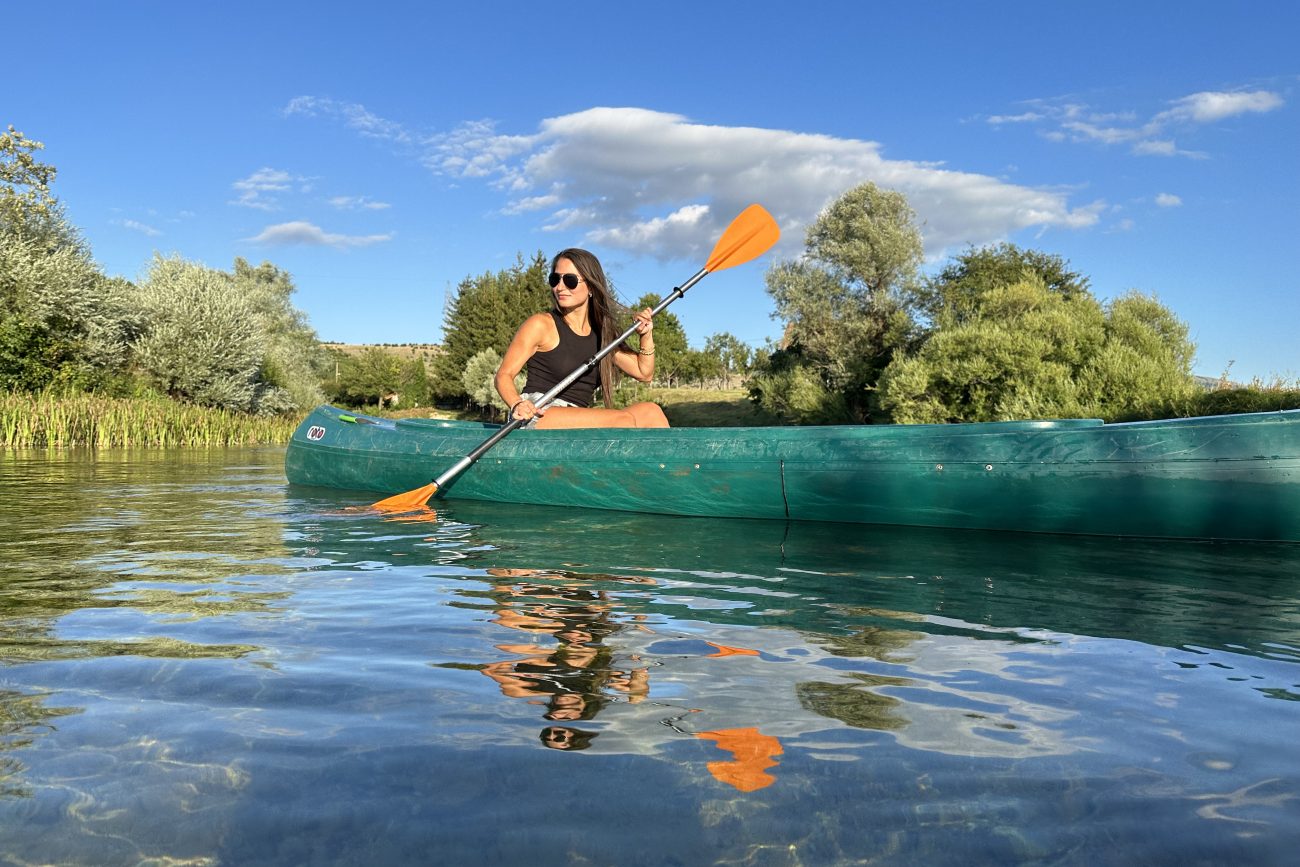
After the horses and the hills, the Sturba offers the opposite kind of experience — here, the point is not adrenaline, it is peaceful.
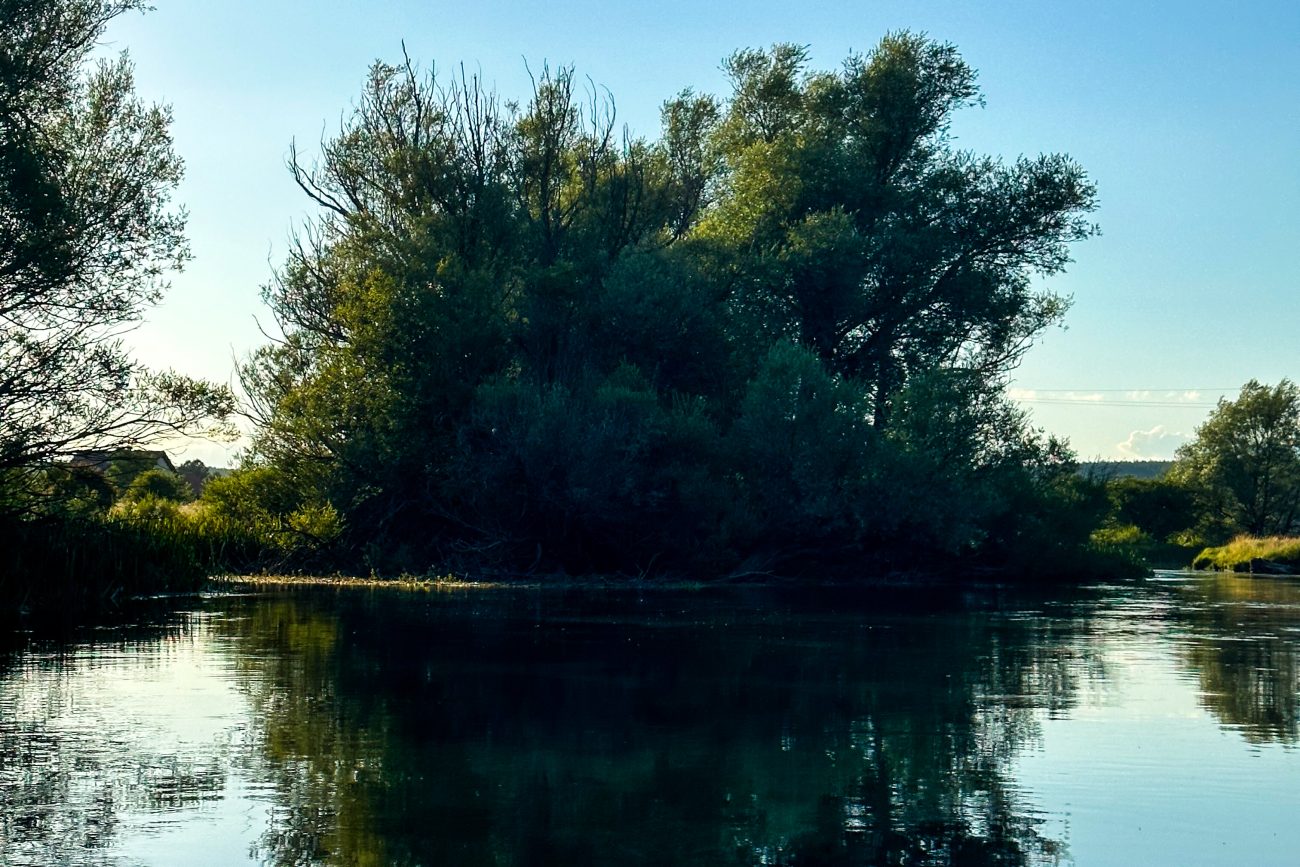
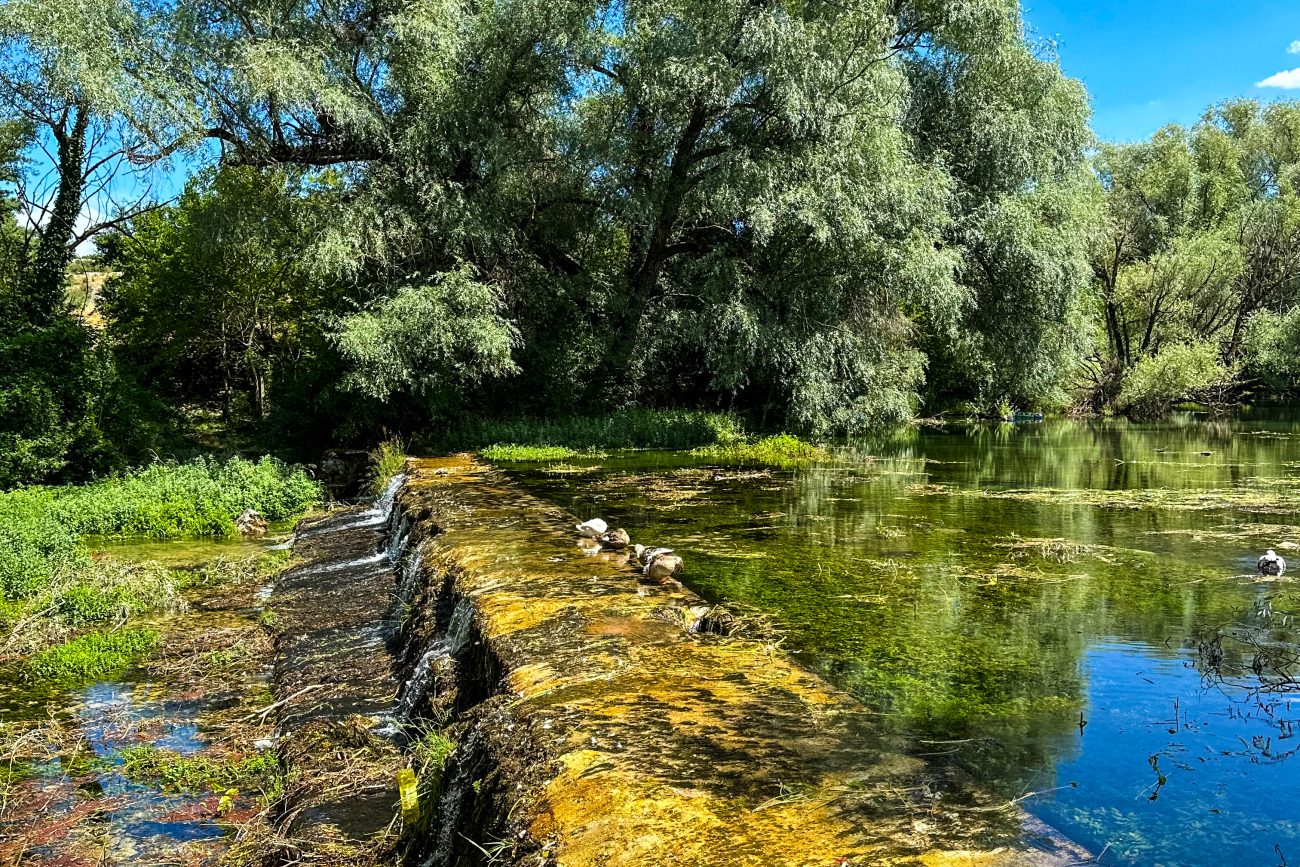
Canoe and birdwatching experiences with Stur.ba take visitors along the river at a slower pace, through an ecosystem connected to the wider Livanjsko Polje wetland landscape. The area is internationally significant for biodiversity and birdlife, making the surroundings far more ecologically important than their quiet appearance might suggest.
The pleasure is in simply gliding through it — there is something deeply meditative about moving slowly across the water while the landscape seems to do all of the work around you.
And that is another recurring theme in Livno: even the activities rarely feel exhausting. You are doing something, but you never feel like you are racing through a checklist.
What Livno Tastes Like
You cannot come to Livno without eating Livanjski sir.
The cheese is so intrinsically tied to the region that it feels almost inseparable from Livno itself. In 2024, Livanjski sir received Protected Geographical Indication status from the European Union, formally recognizing the connection between the cheese and its place of origin.
It is firm, savory and unmistakably local, the kind of food that does not feel like something residents are serving specifically because tourists have arrived; it simply belongs on the table. Italian Prsut can move aside and definitely make sure you try some of the delicacy Livno style.
Burek is another given, and some of the best you’ll have during your Balkan travels, ideally accompanied by yogurt.
Another must for me that I always come back to miješana pizza, topped with ham, mushrooms and sometimes olives. It is far more common across Croatia and Bosnia and Herzegovina than the plain cheese pizza many Americans might instinctively order. Pinocchio Pizzeria is my personal favorite— not because I am claiming it reinvents pizza, but because after enough summers, certain places simply become part of the ritual. I dream about it even when I am back in the states.
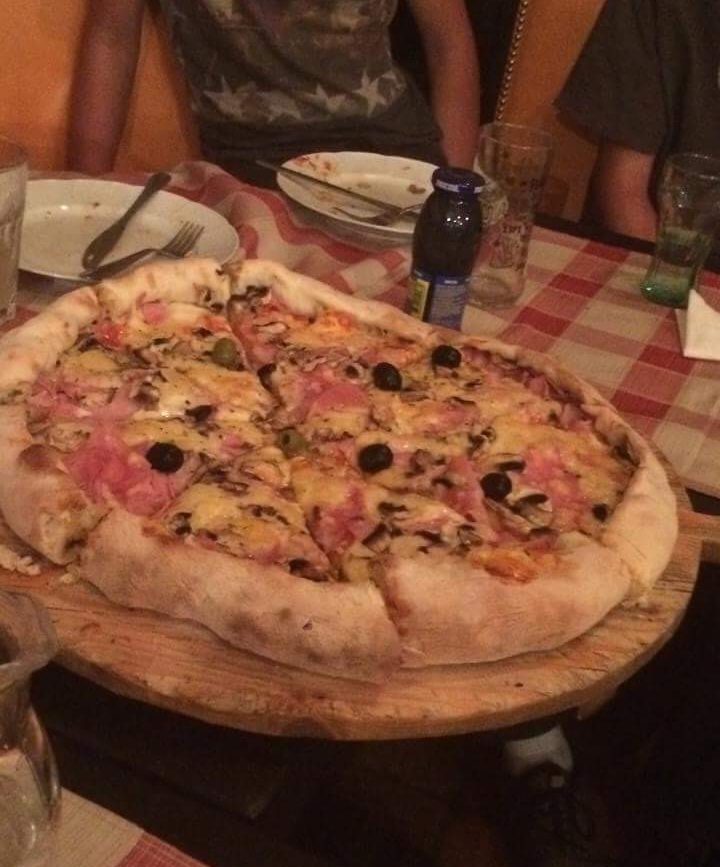
Pinocchio Pizzeria is my personal must-stop — not because I am claiming it reinvents pizza, but because after enough summers, certain places simply become part of the ritual.
When Livno Comes Home
Livno changes in summer.
For much of the year, this is a place defined by quiet rhythms, then the diaspora begins returning. Families come back from Croatia, Germany, Austria, the United States and elsewhere, and the atmosphere shifts almost overnight: the roads become busier, expensive cars appear alongside older homes, cafés fill, the town center gets louder, and small concerts, football matches and local events bring everyone outside.
Around mid-August, especially near Velika Gospa, the Virgin Mary holiday on August 15th, that energy becomes even more pronounced.
People are not simply vacationing here — they are coming home.
That distinction matters.
For a town with such a significant diaspora culture, summer becomes less about tourism than reunion. Generations who have built lives elsewhere return to the same streets, cafés and family homes, and for a few weeks Livno seems to swell beyond its normal size.
It also explains something that surprises many first-time visitors: the nightlife. For such a small town, summer evenings can become remarkably lively — bars around the center stay busy late into the night before people move elsewhere to continue the evening.
The crowd can skew young, particularly during peak diaspora season, but the atmosphere is casual rather than polished.
This is not Ibiza. Nobody is trying to turn Livno into Ibiza.
That is exactly why it works.
The Case for Shoulder Season
Livno was never really a summer-only destination, which is precisely what makes it such a compelling shoulder-season escape. Unlike the Croatian coast, where so much of the summer experience revolves around the water, Livno’s appeal — the horses, the landscape, the rivers and the sheer sense of space — doesn’t depend on scorching temperatures. If anything, cooler days make exploring easier.
Quad excursions across the plateau and the walk up Bašajkovac become considerably more inviting once the intensity of midsummer heat begins to fade, while September can still offer plenty of opportunity to experience the landscapes and wild horses that define the region. Even the Sturba, whose famously cold water is part of its character, was never really an experience dependent on swimming weather.
But perhaps the biggest difference is the atmosphere. By late summer, the diaspora crowds that transform Livno during August begin to disperse, revealing a quieter version of the town — slower, more contemplative and closer to the everyday rhythm that makes the place so compelling in the first place.
That makes September particularly interesting: close enough to summer to enjoy long days outdoors, but removed from the peak-season intensity of both the coast and Livno’s own homecoming season. Early October can be beautiful too, though cooler and less predictable weather makes September the safer recommendation for travelers building an itinerary around outdoor activities.
For anyone already reconsidering the traditional European summer calendar, Livno makes a convincing case for looking beyond the coast — and beyond August altogether.
One Day or Three?
You absolutely can visit Livno as a day trip from Split, but the better question is whether you should. It’s the difference, really, between sightseeing and actually sightdoing a place.
If You Only Have One Day
Make the wild horses the centerpiece. Start early from Split, head into the highlands for the horses, come back into Livno for lunch, visit Duman, walk up Bašajkovac and finish with dinner before returning to the coast.
You will see a surprising amount.
If You Have Two or Three Days
This is what I recommend: add canoeing on the Sturba, give yourself a morning without plans, sit down for a proper breakfast, and spend time around town rather than immediately moving to the next attraction.
Stay long enough to experience the dramatic shift between daytime and evening temperatures, and stay long enough to see the most incredible stars.
Because the real pleasure of Livno is not how efficiently you can experience it — it is how quickly you stop wanting to be efficient at all.
The Reset Within the Trip
Livno is not the part of a Croatian summer that demands the most from you.
You can spend the morning searching for horses across an enormous plateau, paddle a river in the afternoon, drive through landscapes that seem to stretch endlessly toward the mountains, and find yourself in a packed town center that night. But between those moments there is space: long homestyle lunches with the freshest ingredients, cold evenings after scorching days, homes that seem untouched by time and skies that make you look upward longer than you intended.
It is also a reminder that some of the most memorable travel experiences are not necessarily the most polished. Sometimes they are places where happiness seems less tethered to excess, where nobody appears particularly rushed, and where summer still revolves around family coming home.
Come for a day from Split if that is all you have. Stay for two or three if you can.
Think of Livno as the reset within the vacation: full of things to experience, but almost nothing that needs to be rushed.
For more on Croatia to build our your Itinerary