Where did sports or a shared live event take you this year? I’d love to hear about it.
Somewhere over the past several weeks, I became a data point.
I flew to Toronto twice — once for Croatia’s group-stage match against Panama, and again for the Round of 32 against Portugal. I drove from New York to Philadelphia for Croatia and Ghana. By traditional travel logic, none of it made much sense.
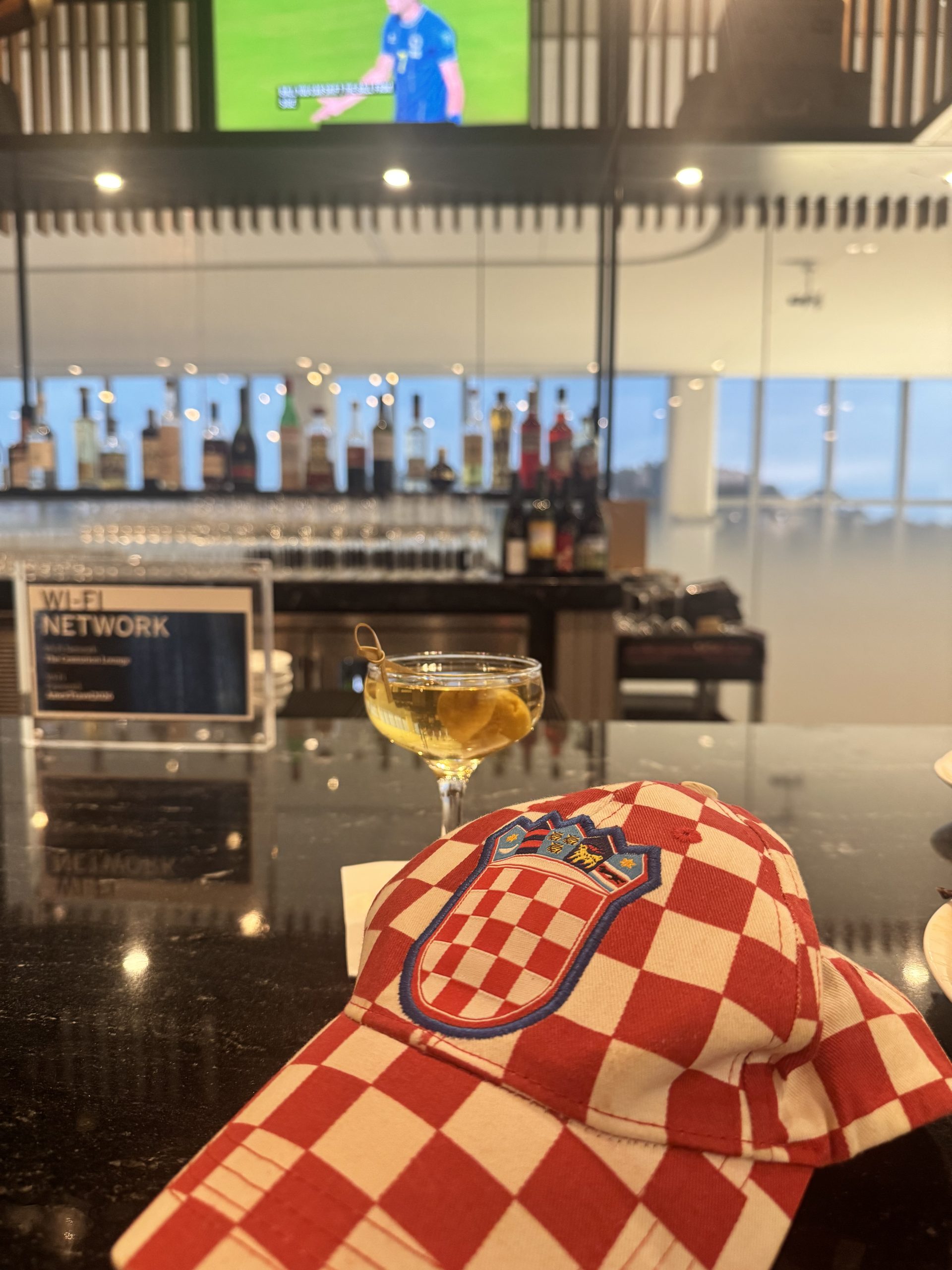
I wasn’t flying to Toronto because I’d always dreamed of spending two nights there. I wasn’t driving to Philadelphia for its museums or historic landmarks. The cities themselves weren’t the destination. The matches were.
As it turns out, I wasn’t an outlier. I was part of one of the biggest travel stories of the summer. Across North America, fans reorganized flights, hotel stays, restaurant reservations, and entire stretches of their calendars around matches that could happen only once. The final economic verdict is still unfolding, and the gains have not been evenly distributed, but the movement itself has been impossible to miss: people have been willing to travel farther, pay more, and build an entire trip around a few hours inside a stadium.
For decades, luxury travel has largely been defined by place. The hotel. The beach. The villa. The Michelin-starred reservation. We chose a destination first, then built the experience around it. This summer felt like the reverse.
Increasingly, people are choosing the moment first — and allowing that moment to decide where they go. A World Cup match, a Formula One weekend, a championship parade, a sold-out concert. The destination has become secondary. Being there has become the luxury.
That shift feels bigger than football. The World Cup simply made it impossible to ignore. Hospitality is no longer being built only around where travelers sleep, but around how closely they can get to the event itself: premium access, private transportation, curated itineraries, exclusive spaces, and increasingly extravagant ways to witness something that will happen only once — a different flavor of the quiet luxury I found in Toronto, turned up to its loudest, most expensive extreme. At the very top of the market, World Cup travel has been packaged into multimillion-dollar experiences involving private aviation, penthouse stays, on-field access, and encounters with football legends.
What struck me wasn’t simply the size of the crowds. It was how secondary traditional sightseeing seemed to become.
When I drove to Philadelphia, I didn’t spend the afternoon checking landmarks off a list. I went for the match. The city became the setting rather than the attraction.
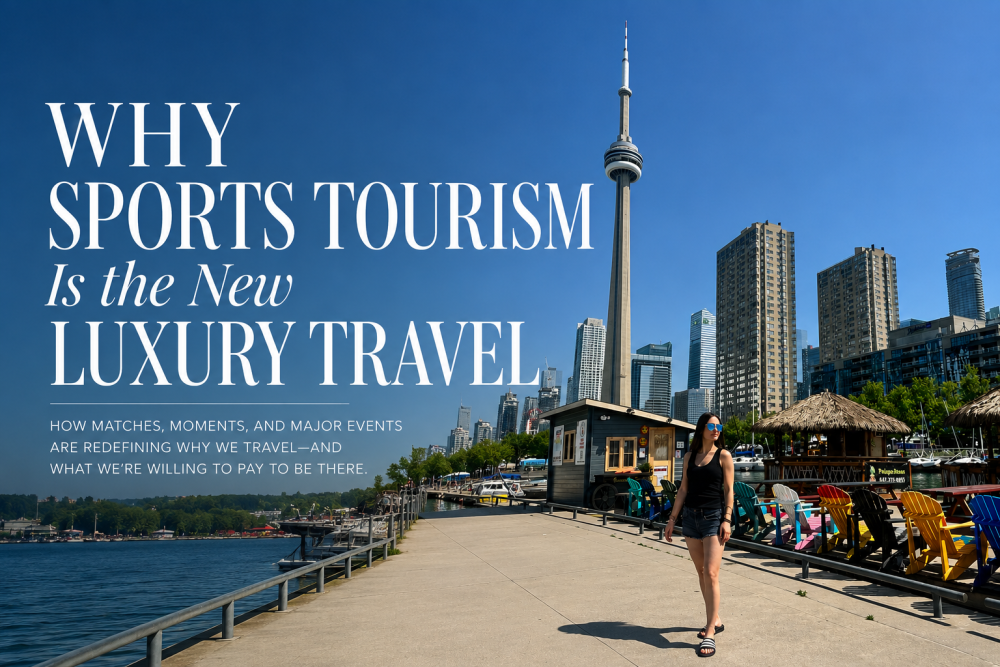
Toronto wasn’t much different. On my first trip, I barely experienced the city outside the stadium atmosphere. It wasn’t until my second visit that I finally had enough breathing room to wander downtown, stop for a craft beer at a local brewery, and take a slow walk along the waterfront before kickoff.
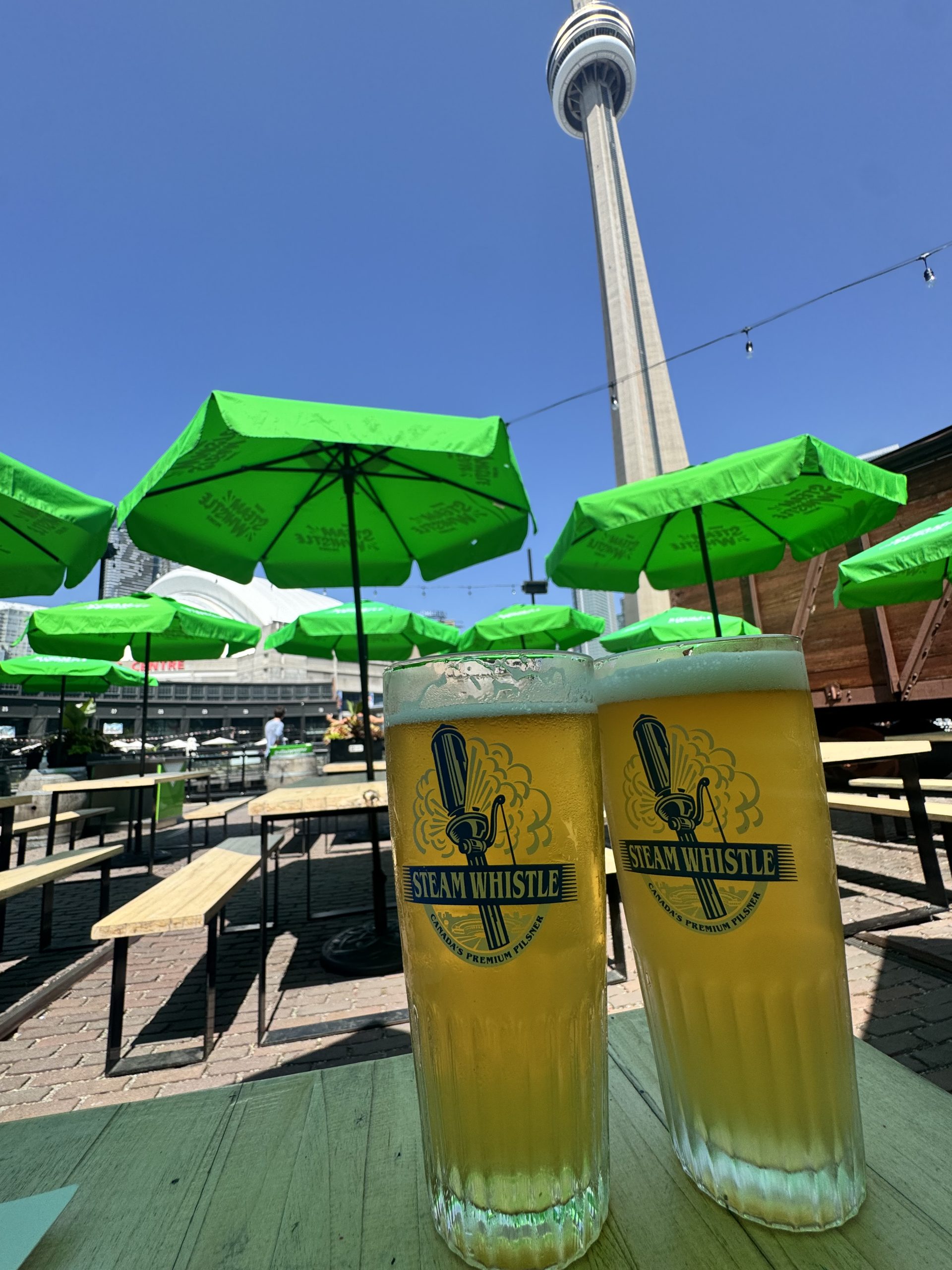
That is one of the stranger pleasures of event-led travel. A match can place you somewhere you might never have chosen on your own, and the city begins revealing itself in the spaces around it: the restaurant found after kickoff, the neighborhood crossed on the way to the stadium, the quiet stretch of waterfront that would never have made the original itinerary.
Those smaller moments became even more memorable because they happened around the event — not instead of it. The match gave the trip its purpose. The city gave it texture.
That’s what I think we’re beginning to misunderstand about luxury travel. Luxury isn’t only where you stay anymore. It’s access — to the concert, to the final, to opening night, to the memory everyone else will be talking about tomorrow. The most valuable thing money increasingly buys isn’t comfort. It’s participation.
Of course, mega-events do not benefit everyone equally, and it would be dishonest to write this as pure celebration. Economic forecasts surrounding tournaments have a long history of promising more than cities ultimately receive. This summer has produced the same uneven picture: some hotels, pubs, and restaurants have benefited from concentrated match-day spending, while others have faced softer bookings, displaced regular customers, or crowds that never translated into meaningful sales.
But spreadsheets can tell only part of the story. What I saw was something much simpler: people willingly boarding flights, driving several hours, paying hotel rates they normally wouldn’t consider, standing in lines, changing vacation plans — not because the destination was perfect, but because the moment was.
Perhaps that’s what luxury travel increasingly means. Not escaping life for a week. Showing up for a few unforgettable hours.
If you’ve been reading Era En Vogue throughout the World Cup, you may have noticed that football unexpectedly became the lens through which I experienced almost everything else — travel, hospitality, restaurants, even the way cities introduced themselves. That wasn’t the original editorial plan. It started with why shared experiences matter again, moved through watching a generation of the sport’s greatest players say goodbye, and lands here, on what it actually costs — and means — to keep showing up. But maybe that’s exactly the point.
The matches are over. The questions they raised about why we travel — and what makes an experience worth pursuing — will stay with me much longer.
—
Where did sports or a shared live event take you this year? I’d love to hear about it.
More on where travel, culture, and experience are colliding — subscribe to The Experiencer Edit.