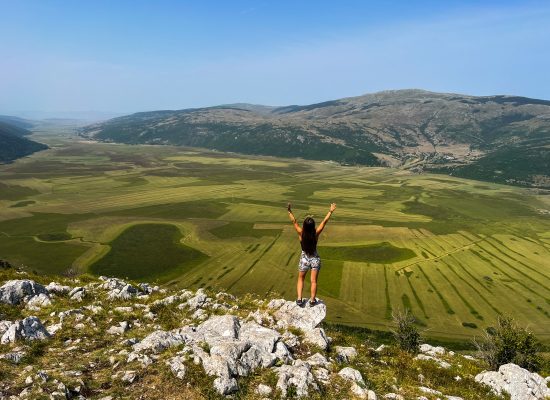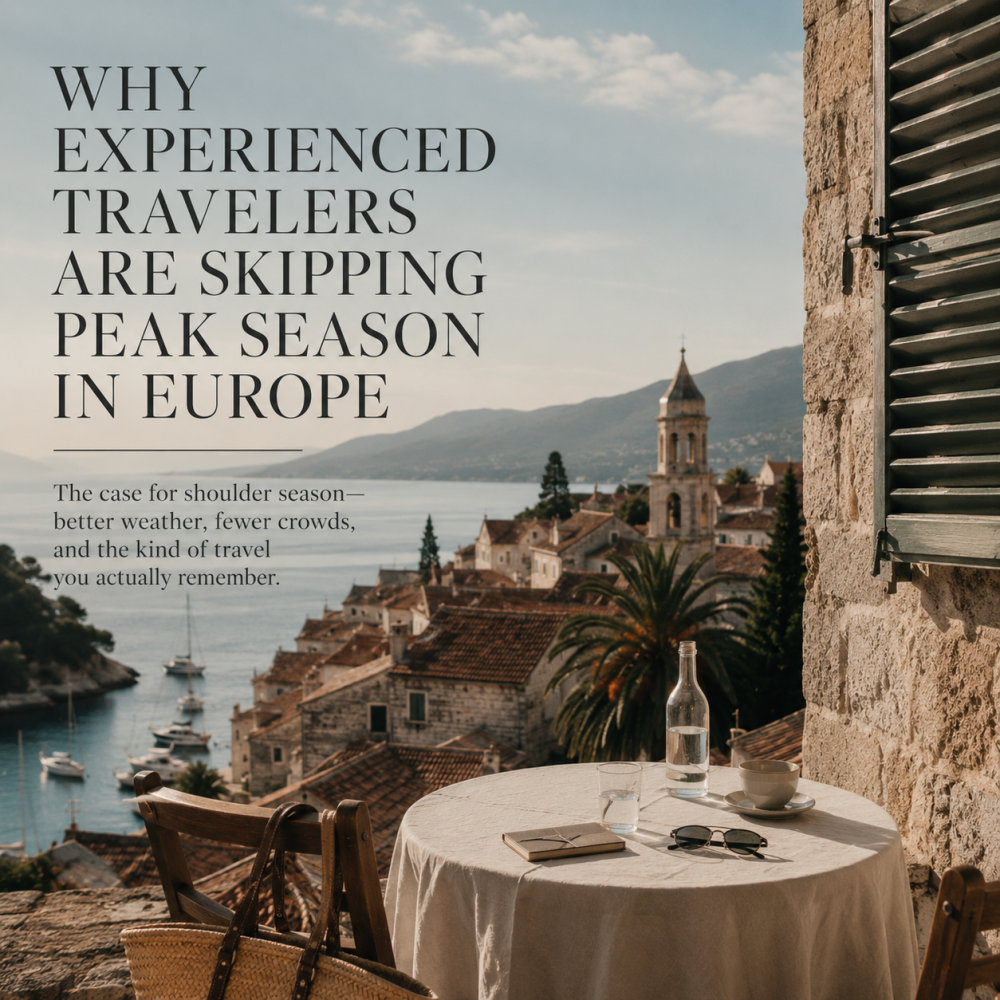
I have been to Hvar in August. I have also been to Hvar in June and September. These are not the same place.
In August, the harbor is a choreography of charter boats and the restaurants have stopped taking reservations and the lavender that scents the entire island in early summer has long since gone dry and brown. The light is beautiful and brutal. The island is full of beautiful people who are also full of beautiful people and you spend a significant amount of energy just navigating around each other’s presence.
In May, the ferry from Split arrives into a harbor that still has space in it. The lavender is at its height. The konobas have tables. The water is cool enough to swim in deliberately rather than collapsing into it from heat. The people who are there chose May specifically, which means they are the kind of travelers who chose May specifically — unhurried, curious, genuinely interested in being somewhere rather than being seen somewhere.
This is not a small distinction.
The Shift That’s Already Happened
For years, shoulder season was framed as a compromise — you go in May or September because you couldn’t afford August, or because your schedule didn’t allow it, and you made peace with slightly unpredictable weather and some things being closed.
That framing is now completely wrong, and the data has caught up to what experienced travelers have known quietly for years.
Nearly half of American travelers now actively plan off-peak trips, with spring travel demand up 25% year over year. In the luxury segment, the shift is even more pronounced: fall bookings are up approximately 30%, now genuinely rivaling traditional summer peaks in some markets. Hotels and airlines are no longer offering shoulder season deals to clear unsold inventory — they’re building dedicated shoulder season programming because demand is strong enough to justify it.
The reason isn’t primarily money, though the savings are real. It’s experience. European summers have become measurably hotter — Athens, Seville, and the Amalfi Coast regularly exceeding 40°C in July and August — and travelers are openly choosing May and September because they want to actually enjoy the places they’ve paid to visit. When a destination is genuinely uncomfortable, the appeal of going at a different time stops being about value and becomes about sanity.
What May Actually Gives You
Specifically, in the places I know well:
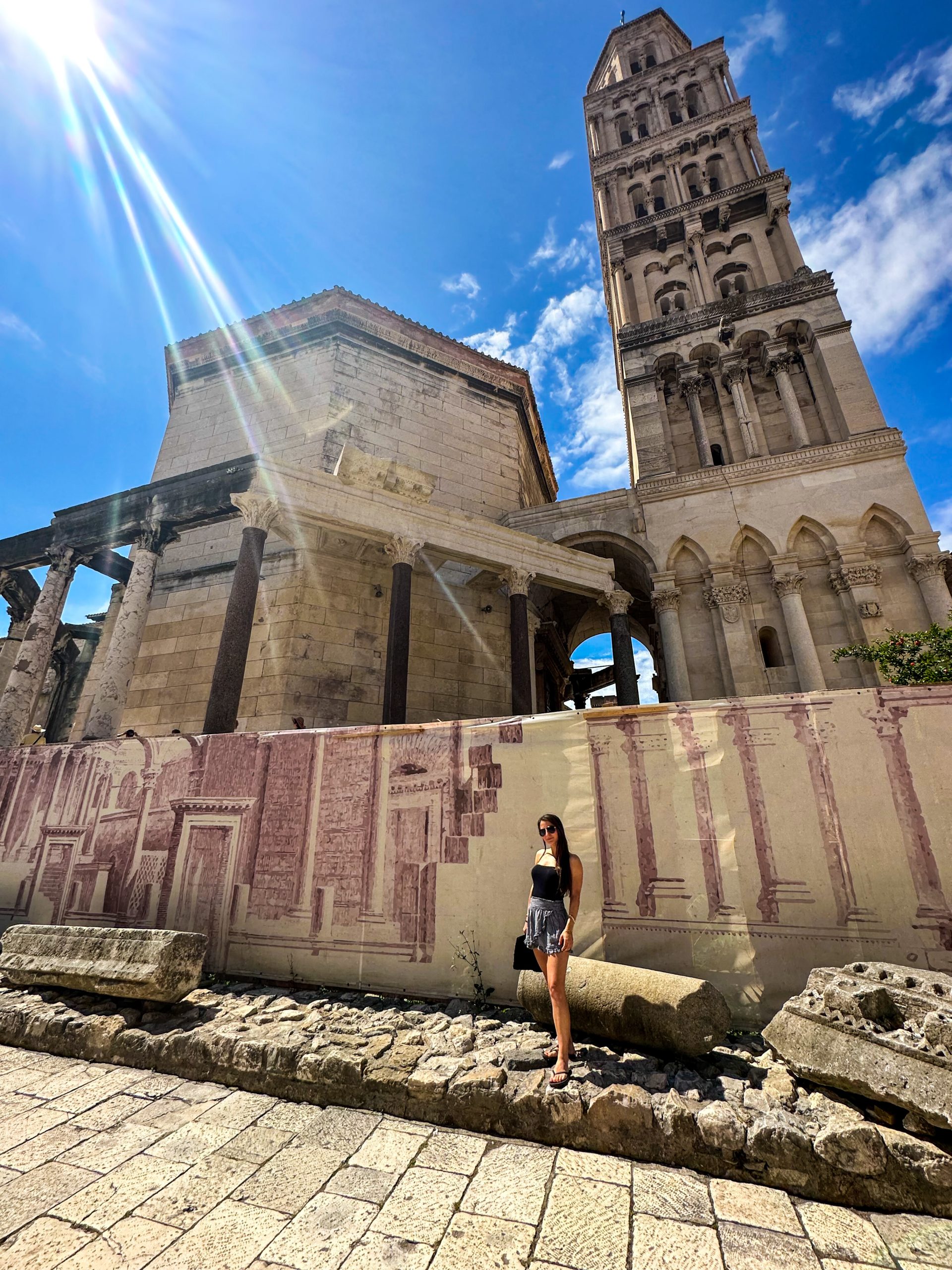
In Croatia: Split’s Diocletian’s Palace functions as a living neighborhood again — locals reclaiming the cafés that summer turns into selfie backdrops. On Hvar and Vis, the stone village charm that sells these islands in travel magazines is actually accessible rather than buried under high season logistics. Water temperatures reach swimmable levels by late May. Ferry schedules are nearly full. You can get a table at the good konoba.
In Greece: The light in May is different from the light in August — softer, less punishing, more gold than white. The smaller islands — the ones that don’t appear on mainstream travel lists, the ones that reward deliberate searching — are most themselves in shoulder season. The kafeneion in the village square has locals in it, not just travelers. The beaches that require a walk or a boat ride have space on them.
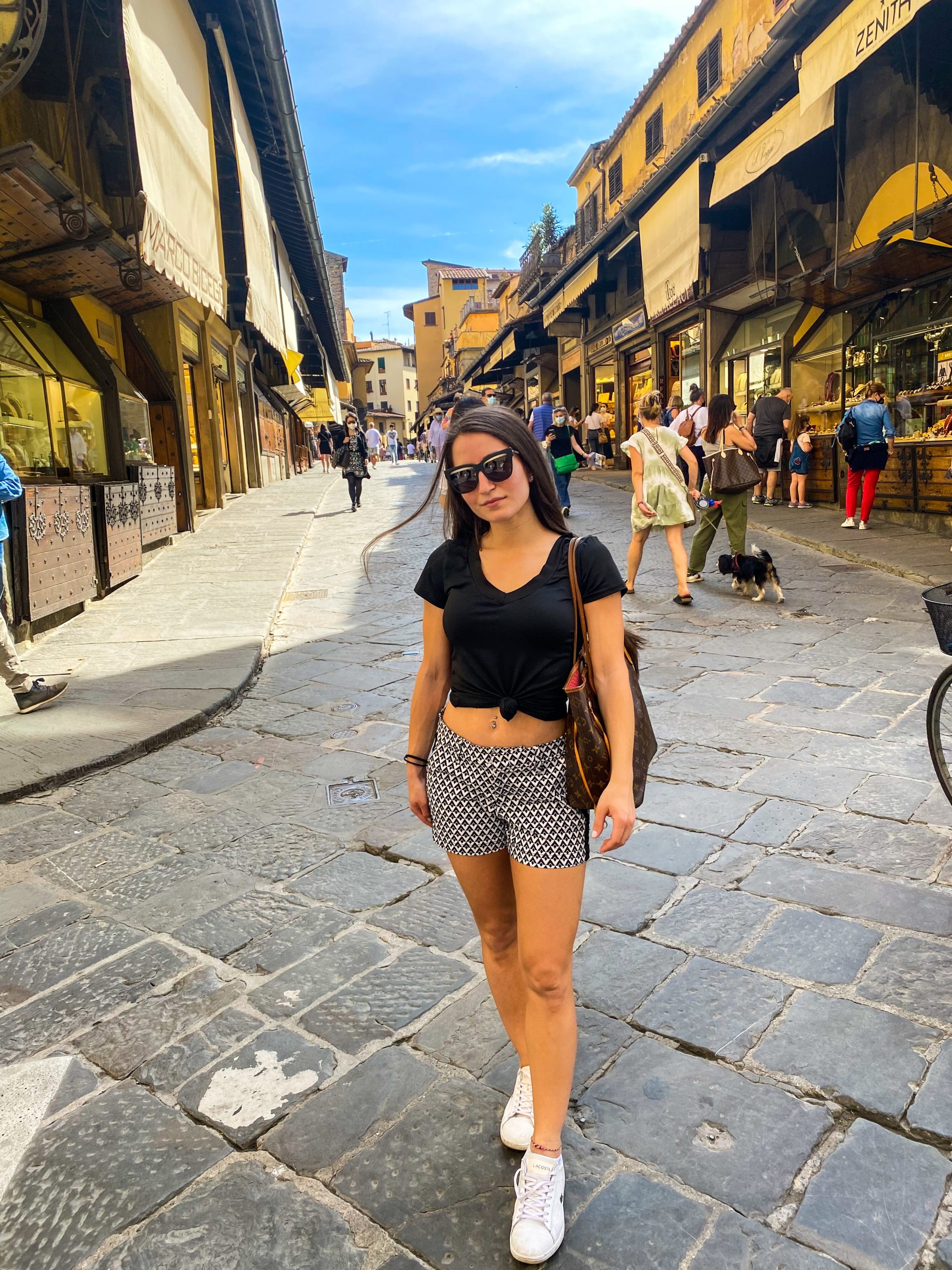
In Italy: Florence is walkable. The Uffizi has tickets available on something approaching short notice. In Tuscany’s smaller towns — the ones that draw you away from Florence because they’re quieter and more considered — May is when the landscape is at its most absurdly beautiful, the hills green before they go golden, the wildflowers along every road, the wine from last harvest still fresh.
In all of these places, the shift from August to May means you get to decide what you do each day instead of having your itinerary set by whatever queue you can tolerate.
The Traveler You Become in Shoulder Season
There is something that happens to you when you travel in May that doesn’t happen in August. You slow down. Not because you’ve scheduled slowness but because the pace of the place allows it.
When a restaurant has tables, you stay longer. When a beach has space, you stay all day. When the person at the ferry ticket office isn’t managing a line of fifty people behind you, they tell you about the cove on the other side of the island that isn’t on any map.
The best shoulder season discoveries happen in the unplanned moments — the recommendation from a local on a quiet Tuesday afternoon, the road you turn down because it looked interesting, the afternoon that becomes an evening becomes a dinner you weren’t expecting.
This is the texture of travel that is very difficult to have in high season and almost unavoidable in May.
A Note on “Undiscovered”
I want to be careful with this word, because it’s frequently dishonest in travel writing. The places I’m describing — Vis, the Aegean islands, the hill towns of Tuscany — are not undiscovered. They have been discovered, loved, written about, and visited by people with excellent taste for generations.
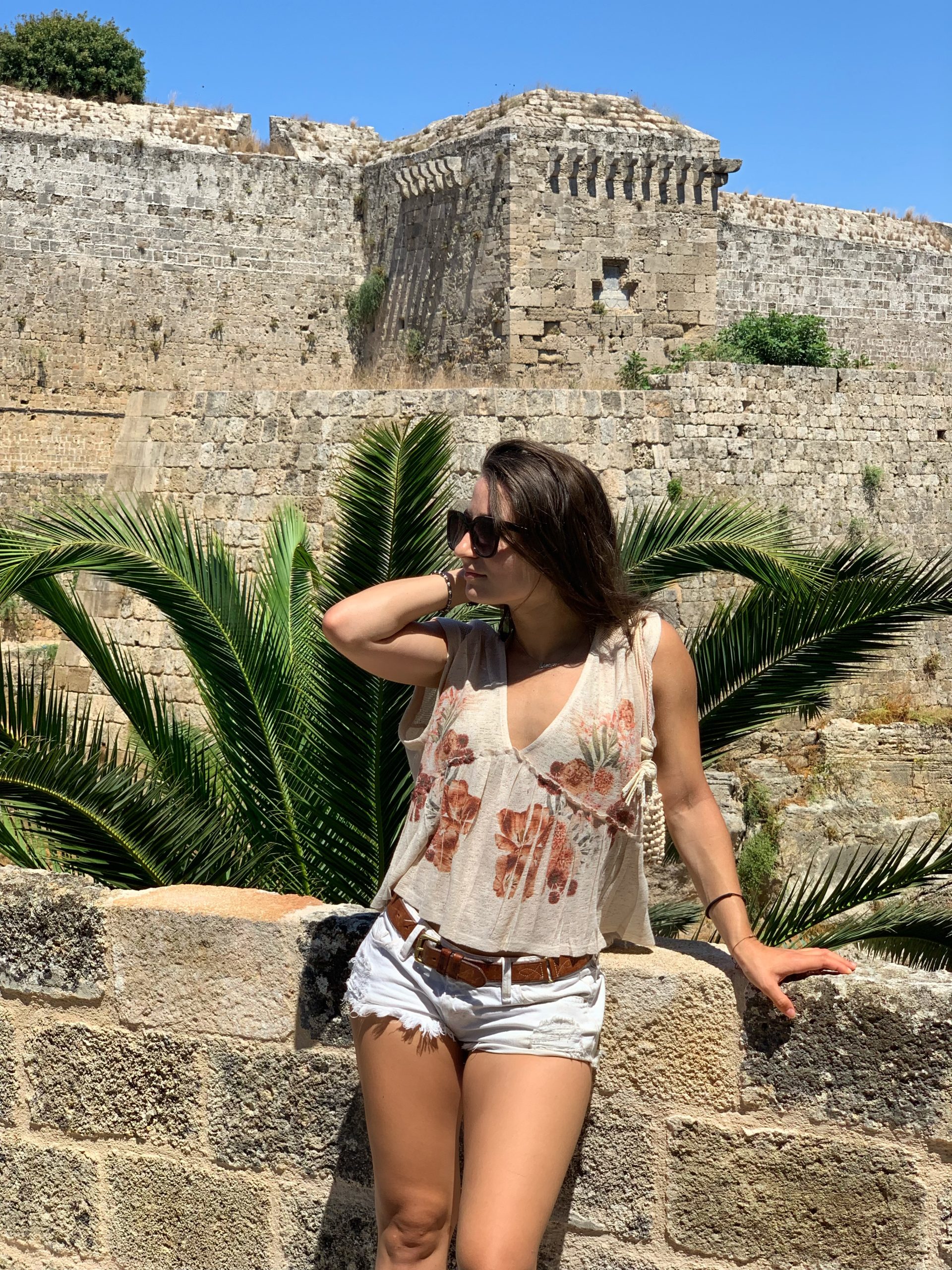
What May offers is not discovery. It is access — to the version of a place that exists when it isn’t being overwhelmed by the volume of people who love it. That version is often the truest one.
The Practical Case
If you are considering a European trip and the timing is flexible: avoid July and August. Go in late spring or early fall instead. Flights cost less. Hotels cost less — often 30 to 50 percent less at properties that charge a significant premium in summer. Popular attractions that require timed-entry tickets months in advance in peak season are suddenly approachable. And the weather, particularly in the Mediterranean, is genuinely excellent in shoulder months — warm enough for everything you want to do, cool enough to actually enjoy doing it.
The crowds haven’t arrived yet. The lavender is at its height. The konoba has a table for you.
The best version of Europe has always been available. You just have to choose the right moment to arrive.
Where are you going this May or June? I’m always curious what’s on people’s radars — find me on Instagram @angelica_e