Before Pinterest named it “Mystic Outlands” and before the algorithm decided cobblestone streets were aesthetic, I was already standing in them. Some places have a quality that stops you — not because they’re beautiful in an obvious way, but because they feel like somewhere a story was written. Or should have been.
These five destinations have that quality. I’ve been to each of them. None are secret, exactly, but none are overrun either. Consider this your off-the-beaten-path guide from someone who has actually been off the path.
Dean Village — Edinburgh, Scotland
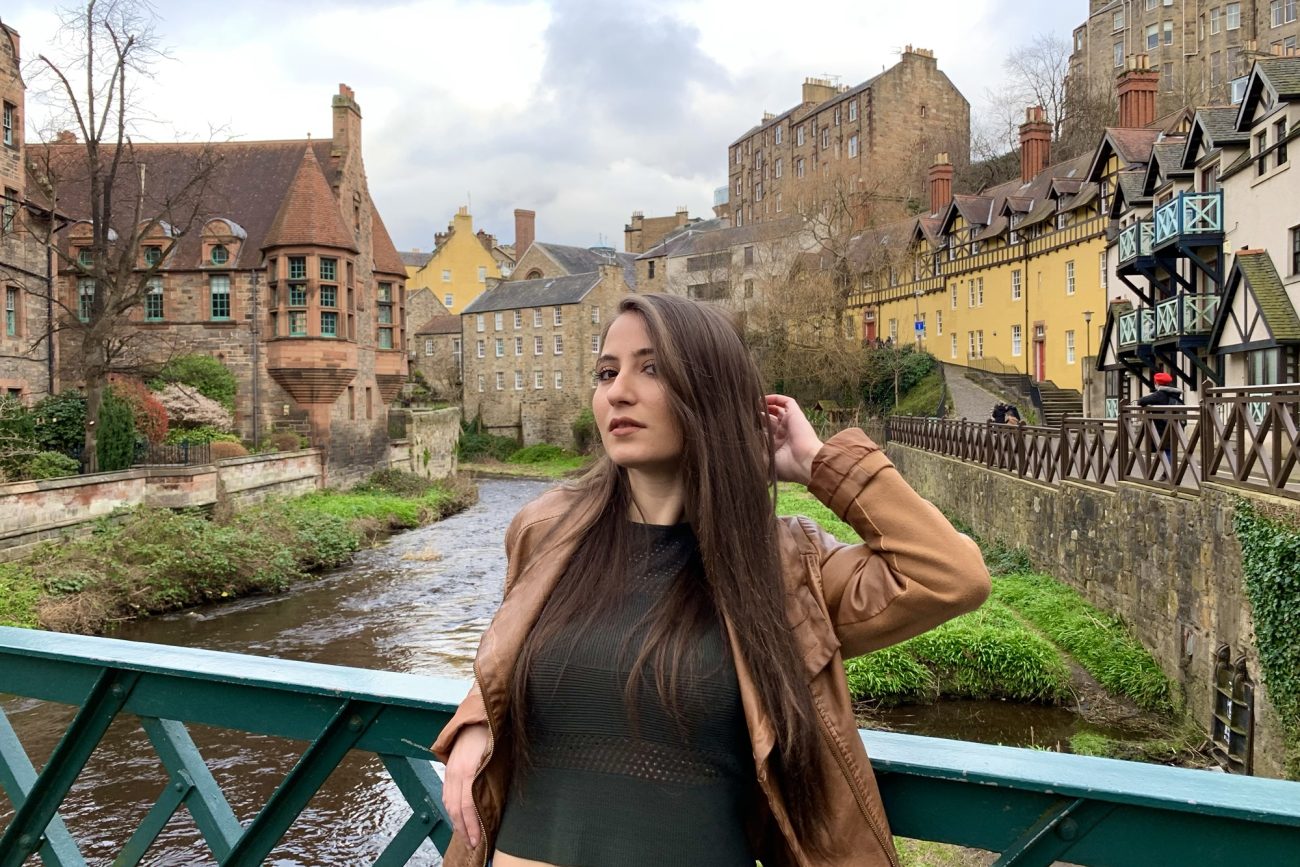
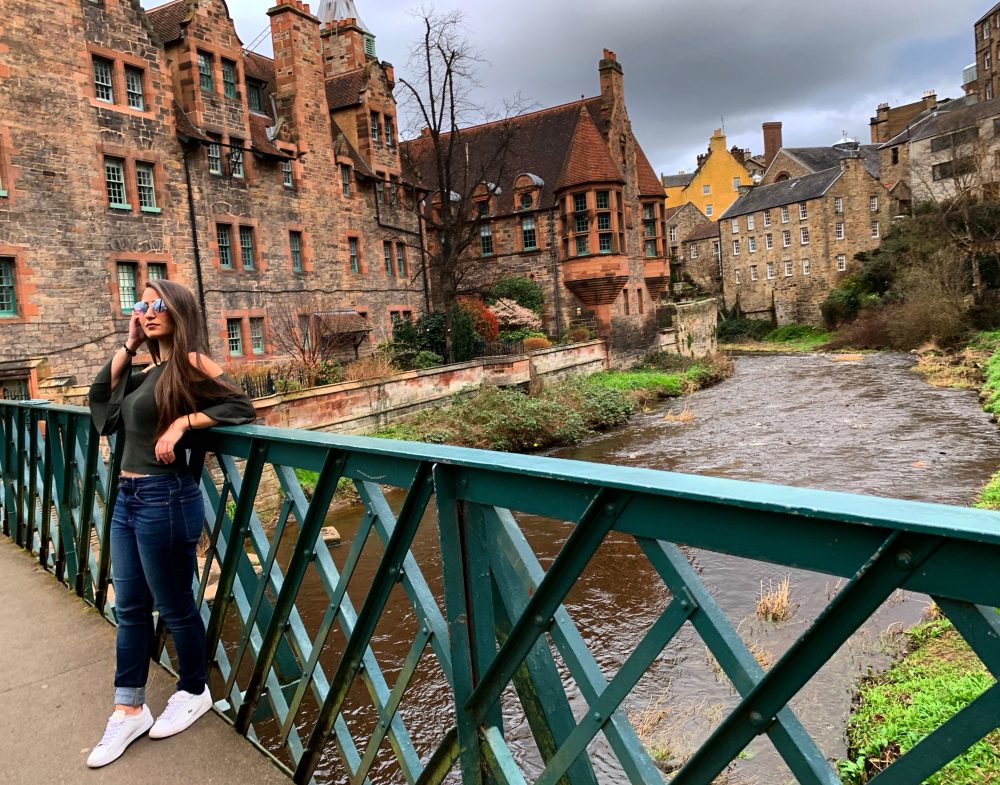
Edinburgh has no shortage of dramatic architecture and literary weight, but Dean Village is the part of the city that makes you feel like you’ve slipped through a crack in time. It sits at the base of a gorge carved by the Water of Leith, and the mill buildings and arched bridges have a quality that’s somewhere between storybook and dream sequence.
What makes Dean Village worth the trip — and worth lingering in, not just photographing — is how removed it feels from the city above it. You can be in the thick of Edinburgh’s Old Town and walk fifteen minutes into somewhere that feels completely elsewhere. Go in the morning before the light changes. Walk the Water of Leith Walkway east toward Stockbridge and let the city come back to you slowly.
I think about this place more than I expected to. It has a particular stillness.
Eisenstadt — Austria
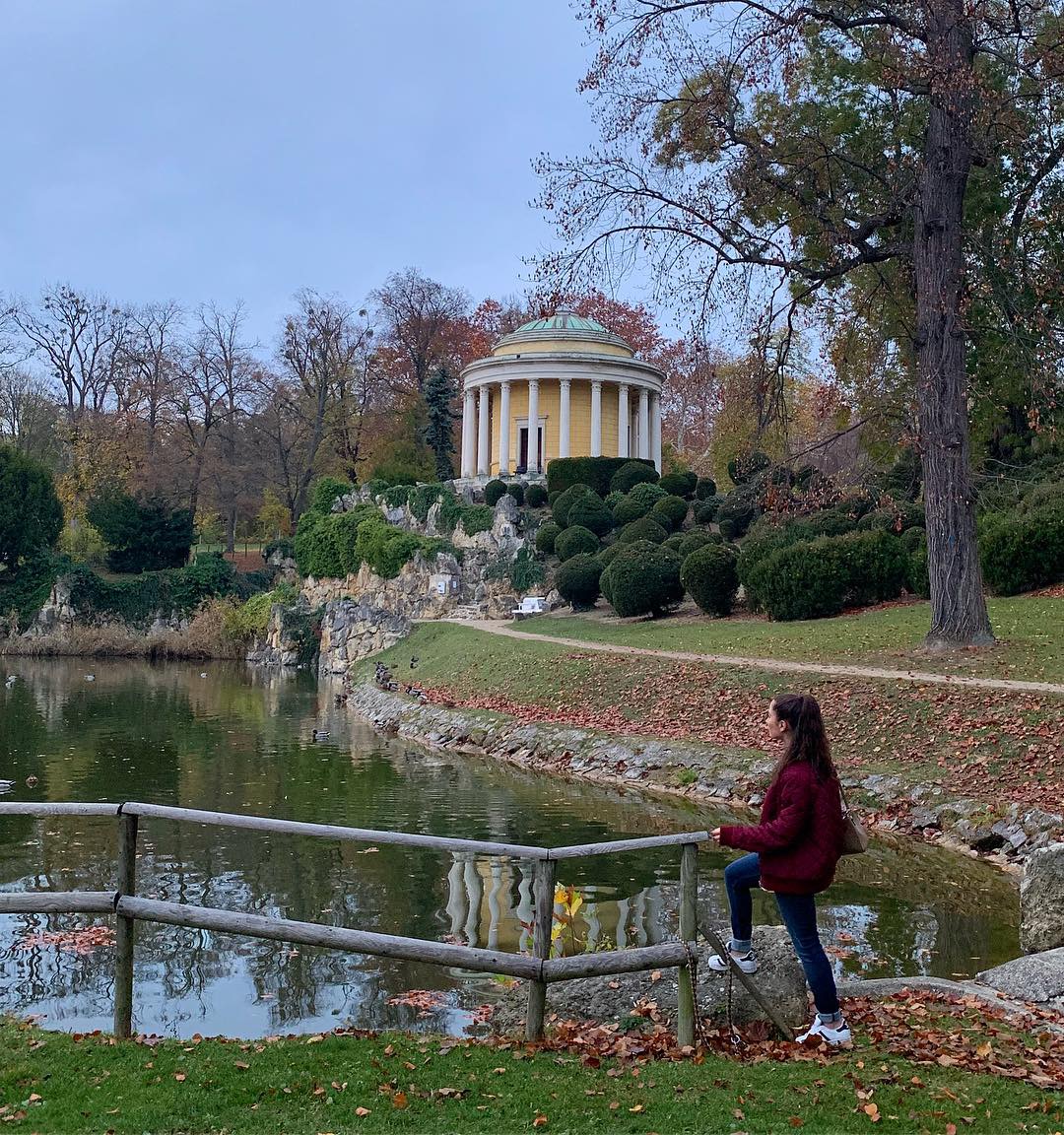
Most people visit Austria for Vienna, Salzburg, or the Hallstatt photograph they’ve already seen ten thousand times. Eisenstadt, the capital of Burgenland, is what you find when you look slightly off-center — a small, slow city with an operatic history hiding in plain sight.
The Esterházy Palace anchors the town with the kind of grandeur that’s almost absurd given the surrounding scale — this was where Haydn spent most of his career, composing in a palace for a prince who required daily music. The Haydnsaal, the concert hall where he worked, still has the intimacy of a room that took music seriously.
Eisenstadt is close enough to Vienna for a day trip, but better as an overnight. The wine region of Burgenland surrounds it — this is Austria’s warmest province, and the reds here are worth seeking out.
Rastoke — Croatia
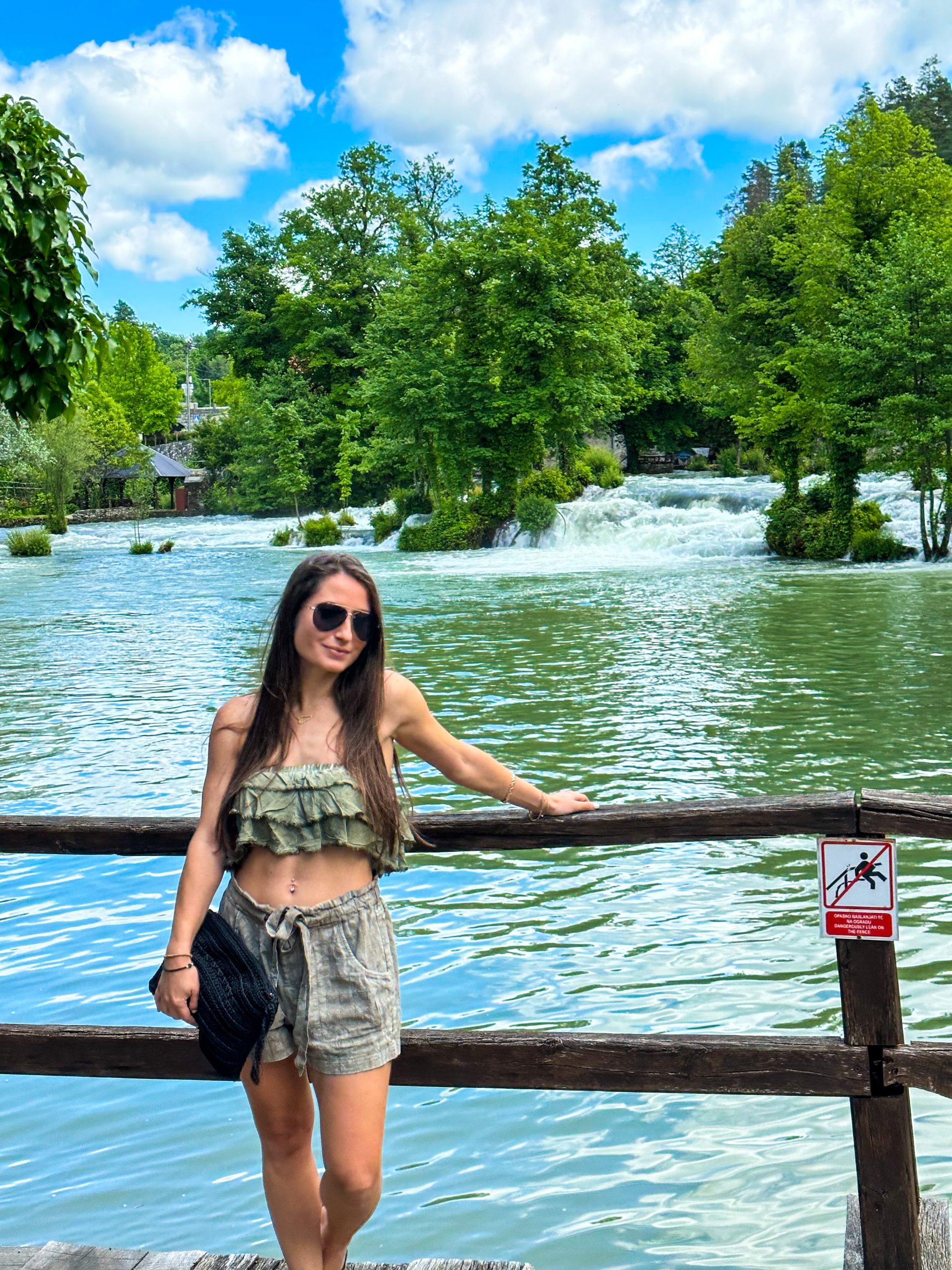
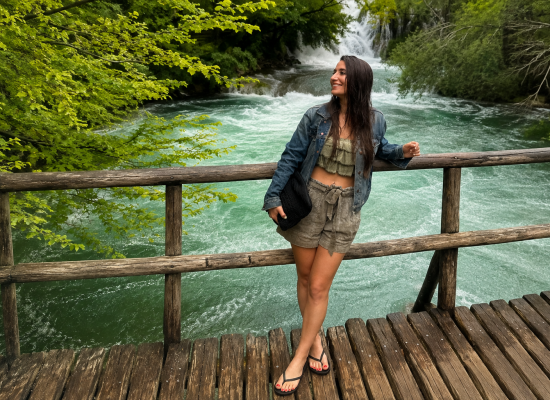
Croatia’s coast gets all the attention, and deservedly so. But inland, in the Slunj region, there’s a village called Rastoke that sits at the confluence of the Slunjčica and Korana rivers and has the quality of somewhere a painter would go to understand water.
The Slunjčica doesn’t just flow through Rastoke — it threads through it. Old mills sit directly over the water, wooden wheels still turning in some cases, and the whole village is built around and over the movement of the river. In spring and early summer, the waterfalls are at their most dramatic. The light in the late afternoon turns the water green and gold.
I wrote about Rastoke at length when I visited — you can read the full post here: [link to Rastoke post]. What I’ll say here is that it’s one of the few places I’ve been where the photographs don’t fully capture it. You need to be standing in it.
Castelfalfi — Tuscany, Italy
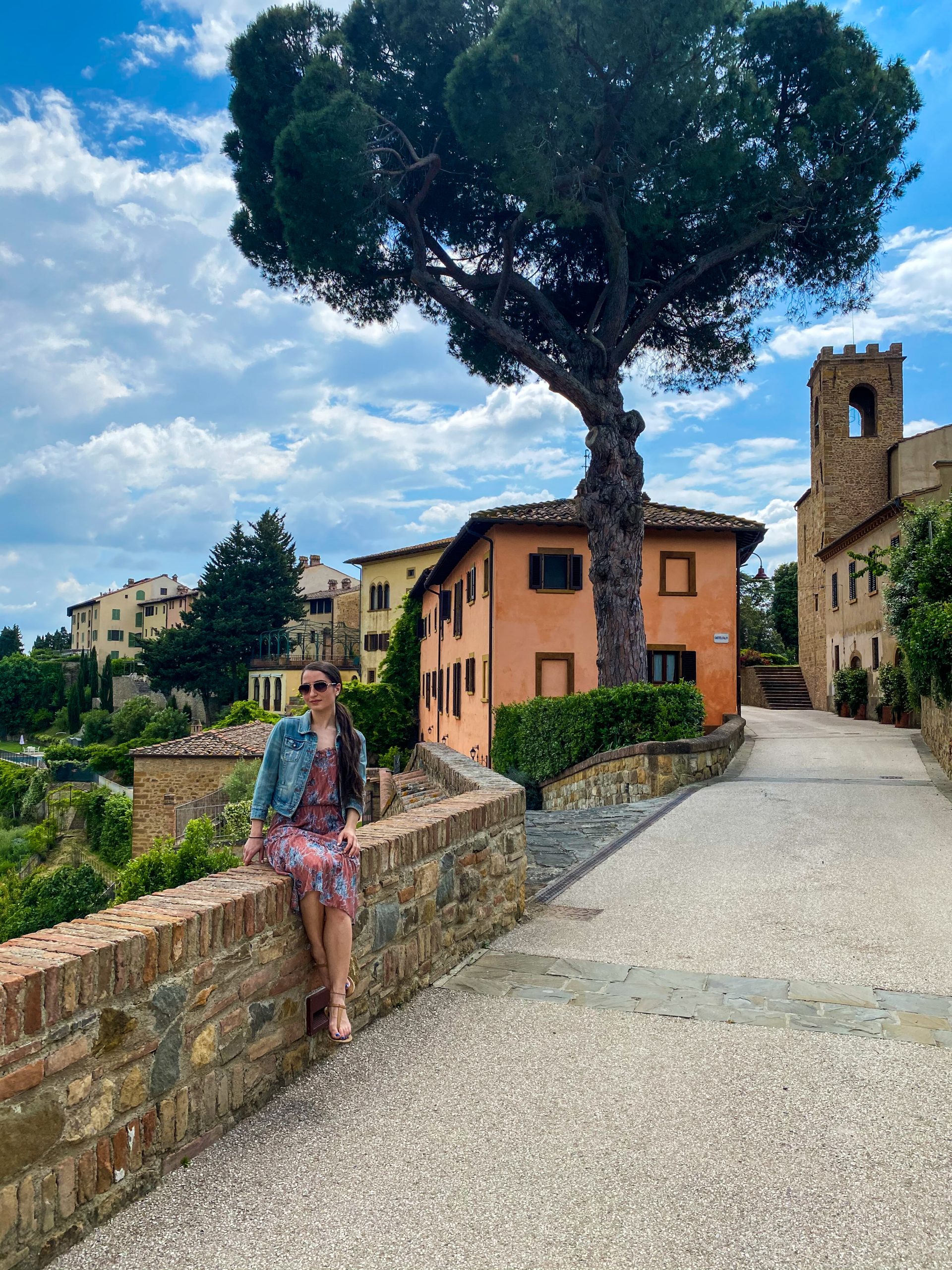
Tuscany has a thousand faces and most of them have been photographed. Castelfalfi is the face that still feels private. It’s a medieval village — technically a borgo — that was abandoned and then slowly restored, and it sits in the Valu d’Elsa surrounded by olive groves and vineyard rows that go on longer than you think land can.
The experience of Castelfalfi is specifically the experience of arriving: driving through the gates, feeling the scale of the surrounding hills, and realizing this is a place that was built to last centuries. The light in Tuscany is different from everywhere else — warmer and more diffuse — and it hits Castelfalfi in a way that makes everything look like a painting from a certain era.
Stay at least two nights. One is enough to arrive and admire. Two is enough to understand.
Areopoli — Mani Peninsula, Greece
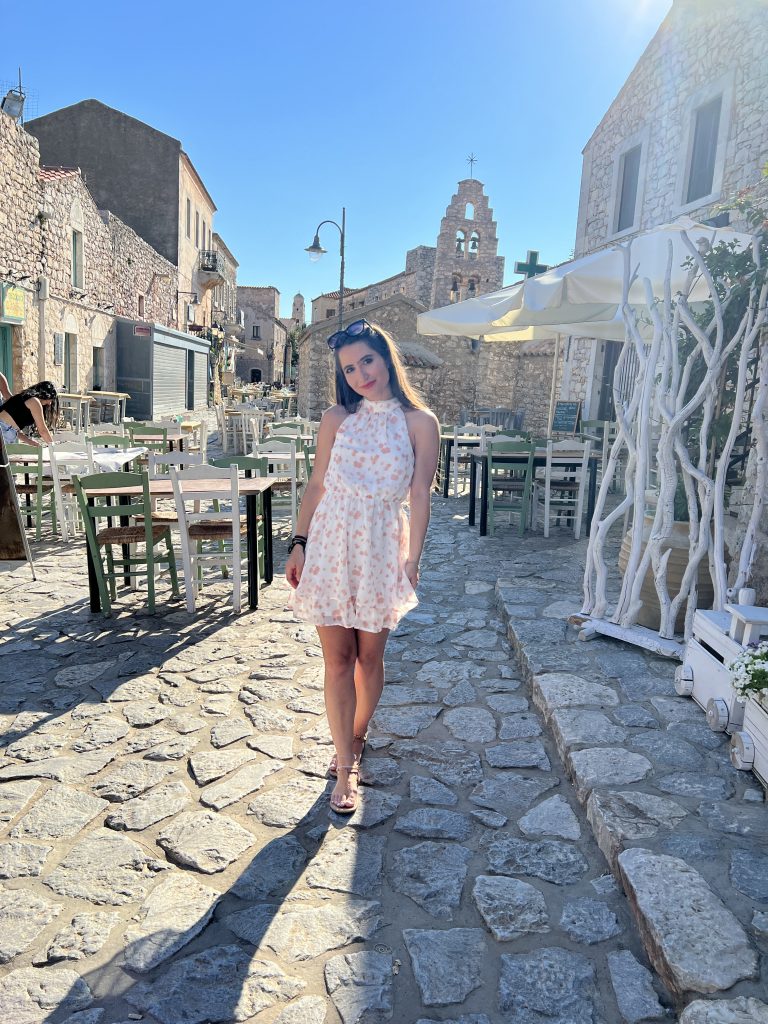
The Mani Peninsula is the middle finger of the Peloponnese — remote, sun-bleached, and stubborn in the best way. Areopoli is its capital, named after Ares, and the place has a severity that’s completely at odds with the Greece of whitewashed walls and postcards.
This is tower country. The Maniots built defensive towers for centuries — disputes were settled in stone — and Areopoli is full of them, their silhouettes against the sky looking like something from another civilization’s mythology. The Orthodox churches here are dark and low and full of icons. The squares feel like they’ve been unchanged for a hundred years.
What I love about Areopoli is that it doesn’t try to charm you. It just exists, on its own terms, in a landscape that’s arid and dramatic and genuinely unlike the rest of Greece. Go in spring before the heat sets in. Eat at one of the tavernas on the main square. Talk to the people who live there if you can.
This is the Greece that exists before the word gets out.
— Angelica
Browse more travel: eraenvogue.com/category/travel