With New York Fashion Week now just four weeks away, the shape of the Spring/Summer 2027 season is coming into focus.
New York Fashion Week has long claimed international status, but this September, that global narrative feels less like a marketing line and more like a physical reality.
The official Spring/Summer 2027 calendar bridges the established pillars of American fashion with a potent wave of international debuts, heritage transitions, and global designers and houses choosing Manhattan as a strategic stage for their next chapter. The result is a schedule defined less by regional borders than by cultural exchange—a conversation between cities, identities, and evolving definitions of contemporary luxury.
Running from September 10 through September 15 across 70 runway shows and designer presentations, the official CFDA schedule maintains its anchor names—Khaite, Michael Kors, Tory Burch, Carolina Herrera, Altuzarra, LaQuan Smith and more. Yet some of the week’s most compelling narratives belong to those making their first mark on the official calendar.
A SoHo Anchorage for Magda Butrym
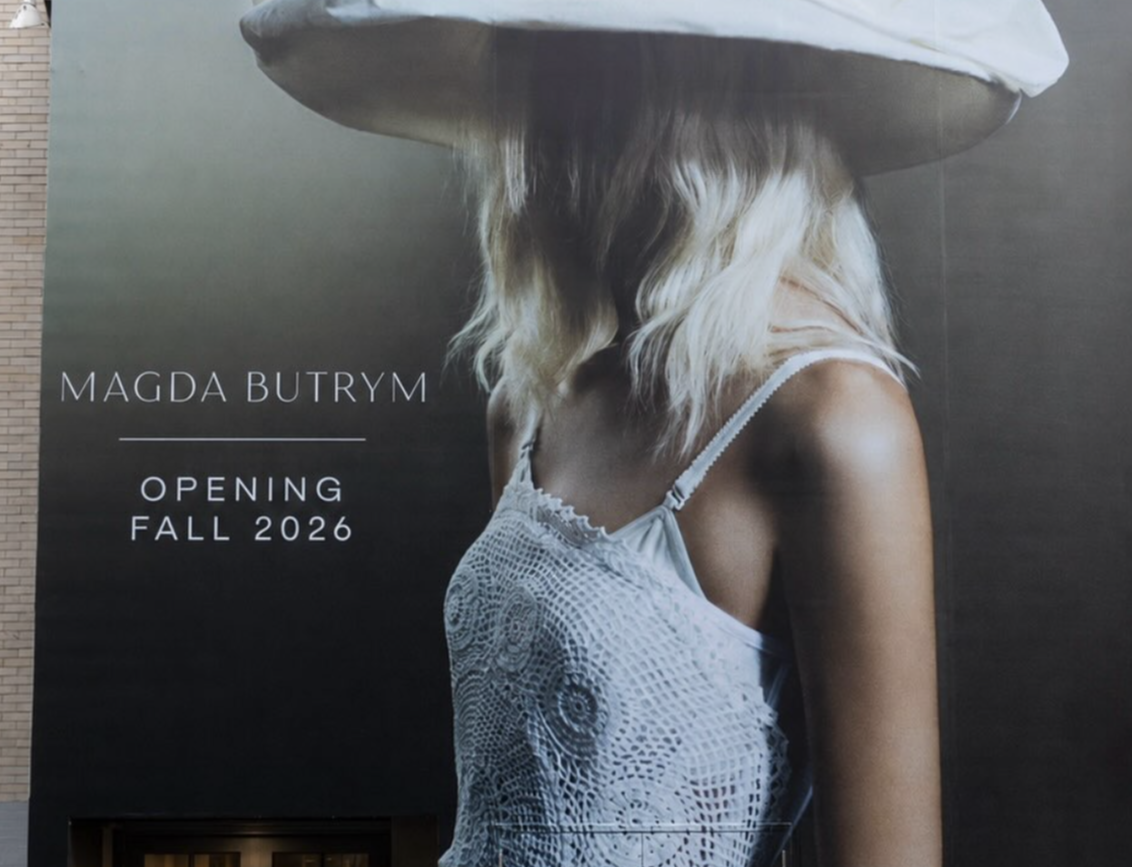
Among the season’s most anticipated additions is Polish designer Magda Butrym.
While Butrym has previously shown during Paris Fashion Week, September marks her runway debut on the official New York Fashion Week calendar. The timing is particularly significant: following a successful SoHo pop-up last year, the brand is simultaneously cementing its physical presence in the city with its first permanent New York flagship on Mercer Street.
It is a significant move for a label whose visual identity is rooted in sculptural silhouettes, recurring rose motifs, handcraftsmanship and Slavic references. More than a change of fashion-week geography, the timing brings runway, retail and cultural presence together as the house deepens its relationship with New York.
London and India Join the Dialogue
New York-born, London-based designer Conner Ives makes his official NYFW calendar debut this season, while Sabyasachi by Indian designer Sabyasachi Mukherjee joins the official schedule in a high-profile return to the city. His September 15 show will also mark the first chapter of a multiyear jewelry collaboration with The Metropolitan Museum of Art, with debut pieces drawing on the art and material culture of the Byzantine Empire.
Their presence carries weight precisely because neither represents a homogenized idea of “New York style.” Instead, they reinforce New York’s position as a high-visibility global platform where distinct cultural identities can coexist without being flattened into a single aesthetic.
Whether through Sabyasachi’s commitment to Indian craft and textile traditions or Ives’s subculture-driven approach to reclaimed materials, their inclusion rewards designers whose work remains rooted in something specific while speaking to an international audience.

Photo: @sabyasachiofficial
Heritage Transitions & Expanding Boundaries
This global focus coincides with pivotal shifts across classic American fashion.
Henry Zankov will open the official week with his debut collection as artistic director of Diane von Furstenberg, launching a new design chapter for one of America’s most recognizable fashion houses. Thom Browne will deliver the final note of the official schedule on September 15, while Ralph Lauren, Coach, Cult Gaia, Rachel Comey and Libertine begin the fashion conversation a day earlier, on September 9.
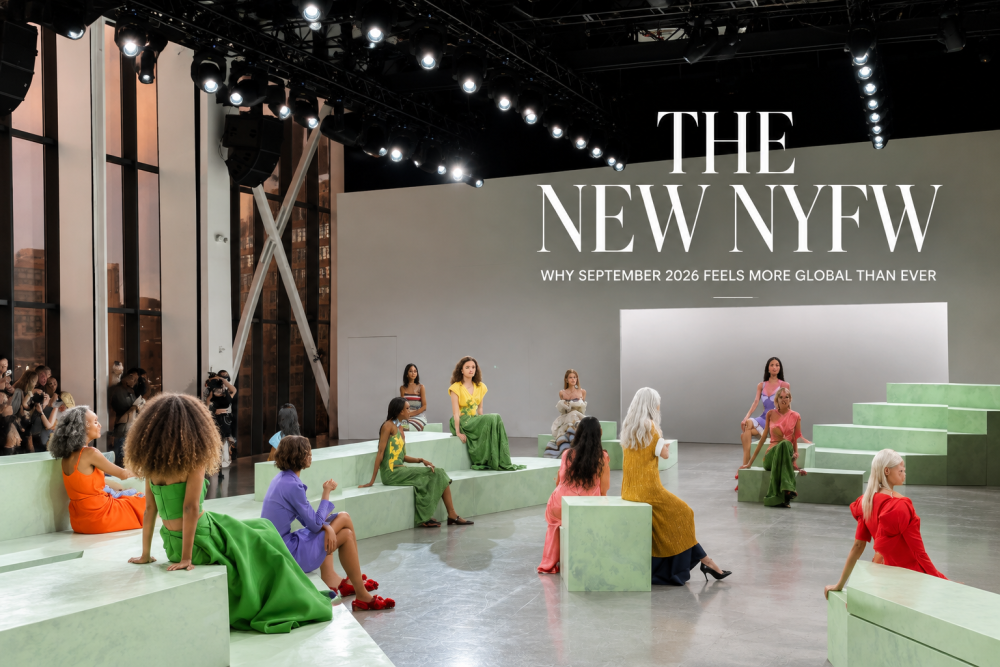
The week no longer operates as a rigid six-day runway marathon confined to a single hub. Increasingly, NYFW exists across runways, presentations, appointments, retail spaces and off-calendar events throughout the city.
That expansion is significant. Fashion Week has become as much about the ecosystem surrounding a collection as the few minutes a designer spends on the runway.
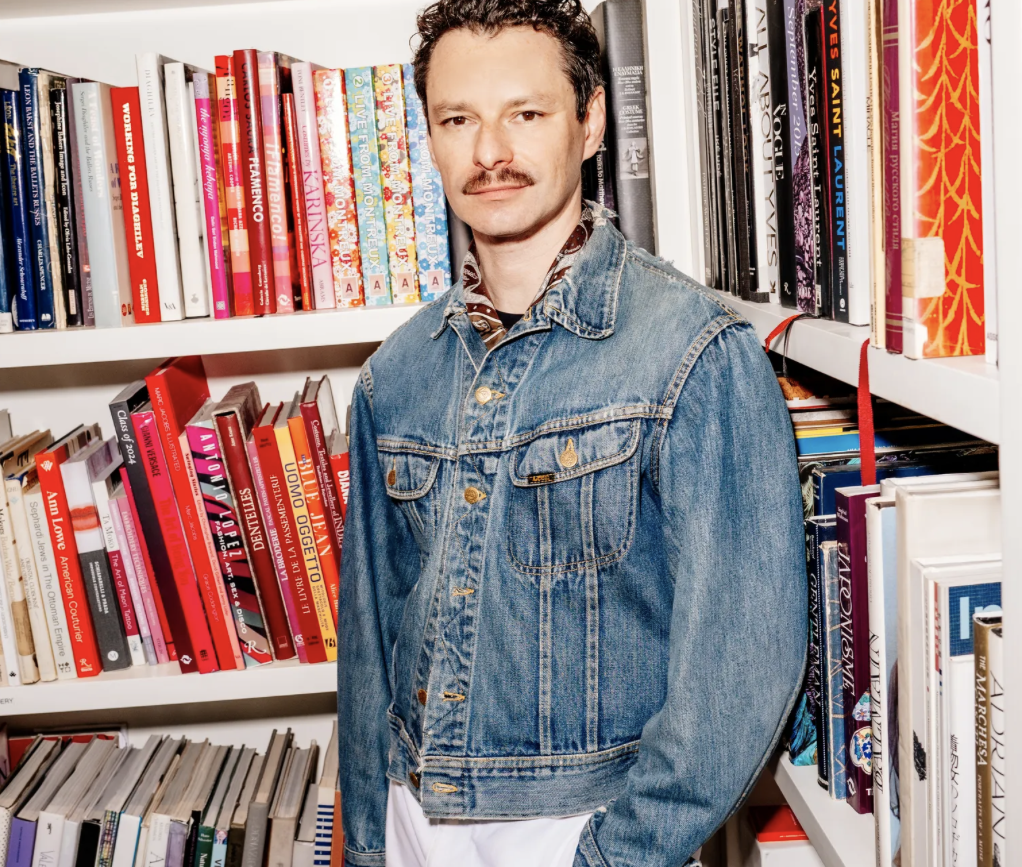
Photo: Hunter Abrams
The New Runway Horizon
The narrative that Fashion Week has lost its relevance is rewritten every February and September.
It is true that digital immediacy, changing consumer behavior and direct-to-consumer models have permanently altered the traditional calendar. Designers no longer require a runway to reach an audience—which makes their choice to gather in New York all the more intentional.
New York’s value is no longer simply in showcasing American talent to the world; it is in creating a stage where global perspectives can meet without surrendering what makes them distinct.
A Polish label expanding its footprint into SoHo. An Indian luxury institution returning to New York on the official schedule. A London-based designer arriving on the official calendar. An American heritage house rewriting its design codes.
That friction between established and emerging, commercial scale and intimate craft, local roots and international ambitions is what makes New York vital.
This season, the question isn’t what “New York fashion” looks like—it’s how many disparate visions of global fashion New York can orchestrate at once.