For a long time, wellness looked like a destination. A retreat in the mountains, a digital detox weekend, a juice cleanse that reset everything before Monday arrived and undid it all again. Something you went to, completed, and returned from — and then got back to your real life.
That model is quietly falling apart. And what’s replacing it is more interesting.
Wellness in 2026 has stopped being something you schedule and started being something you run your entire life through — a filter, not a destination. The question is no longer “when can I get away to reset?” but “how do I build a life that doesn’t require constant recovery?”
The Backlash That Changed Everything
The Global Wellness Summit’s annual Future of Wellness report named the “Over-Optimization Backlash” as the defining framing trend of the entire 2026 wellness landscape — a growing consumer revolt against high-tech, performance-obsessed approaches to health, and a turn toward meaning over measurement, emotional repair over clinical data, and pleasure over self-surveillance.
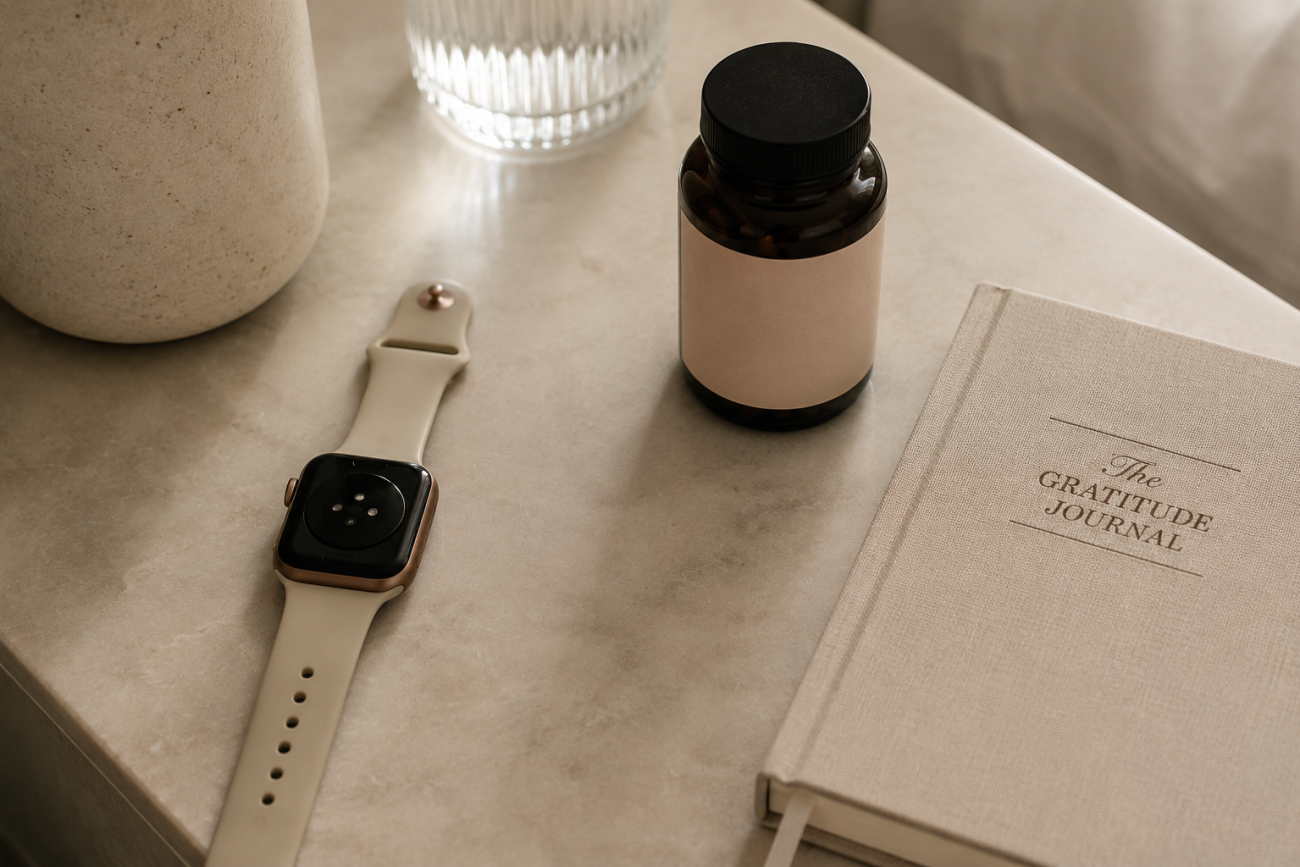
This is the cultural moment when people collectively looked at their supplement stacks, their continuous glucose monitors, their biometric dashboards, and their five-step morning routines and asked: is any of this actually making me feel better? Or is this just wellness performing as productivity?
For many, the honest answer was the latter. And so the conversation shifted.
What the Lifestyle Filter Actually Looks Like
It’s less dramatic than a retreat. It’s also more durable.
In how you move: Fitness in 2026 is shifting away from all-out intensity and toward something more intentional. What wellness experts are calling “snack-sized workouts” — short, intentional bursts of movement scattered throughout the day — are gaining both cultural traction and scientific validation. Multiple studies have found that brief, frequent movement breaks provide cardiovascular and metabolic benefits comparable to longer sessions. Pilates, slow strength work, zone 2 cardio, mobility training — the workouts that reward consistency over punishment are replacing the ones that require recovery.
The shift is from fitness as performance to fitness as maintenance. Less about transformation, more about longevity.
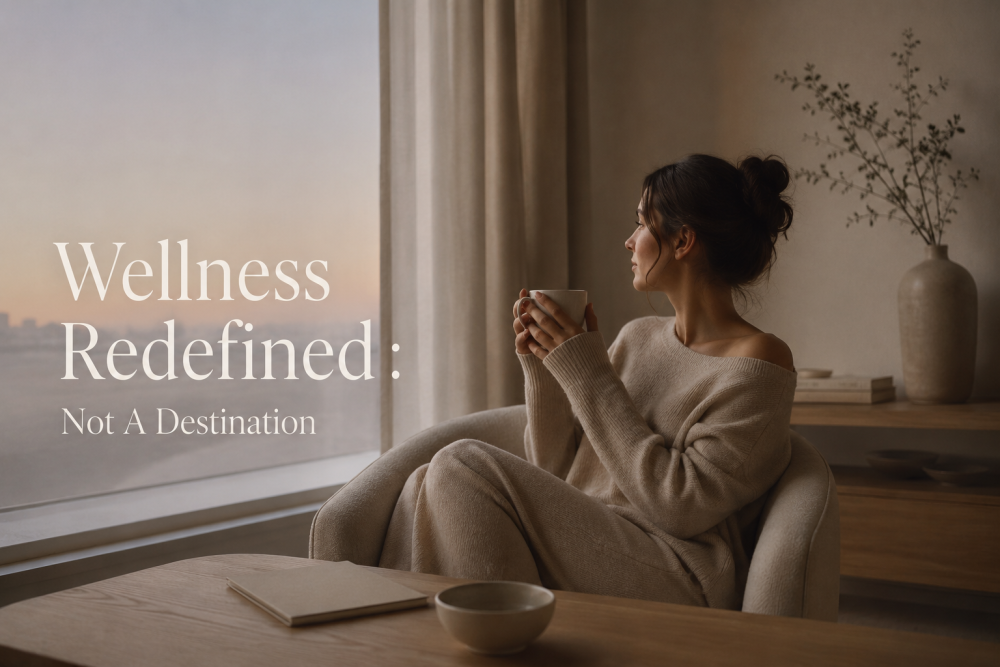
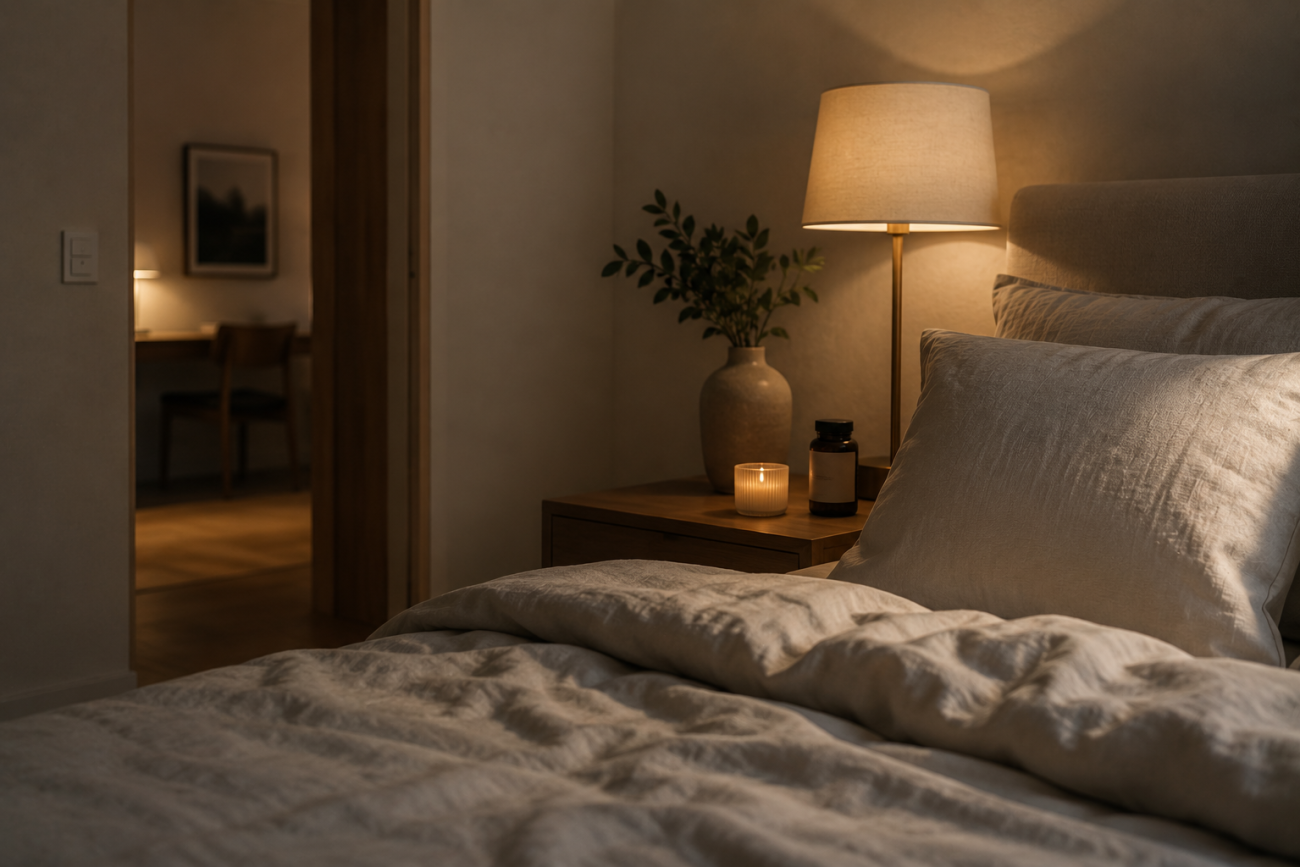
In how you rest: Intentional rest has become the new luxury — not the performative kind with the bath and the candle and the Instagram story, but the actual kind. The kind where the phone is genuinely in another room and the evening has no agenda. Calm rituals — magnesium before bed, tech-free zones in the home, sleep-optimized bedrooms — are becoming infrastructure rather than indulgence.
This is the domestic expression of hushpitality: the same philosophy that’s reshaping luxury travel is reshaping how people design their evenings. The rarest thing in most people’s lives is uninterrupted quiet. The wellness filter means you stop treating that as a luxury and start treating it as a requirement.
In how you eat: Mindful eating in 2026 has moved beyond calorie counting and macro tracking into something more experiential. Sensory dining — paying attention to texture, temperature, the full sensory experience of food — is emerging as part of how people eat intentionally rather than just nutritionally. The focus is on what food actually feels like in the body, not just what it does to it on paper.
In how you relate to your devices: Digital wellness has evolved from a weekend experiment into a daily practice. Setting boundaries around notifications, creating tech-free zones, replacing late-night scrolling with something restorative — these are no longer extreme positions. They’re becoming standard practice for anyone paying attention to their nervous system.
The Wellness Aesthetic Is Changing Too
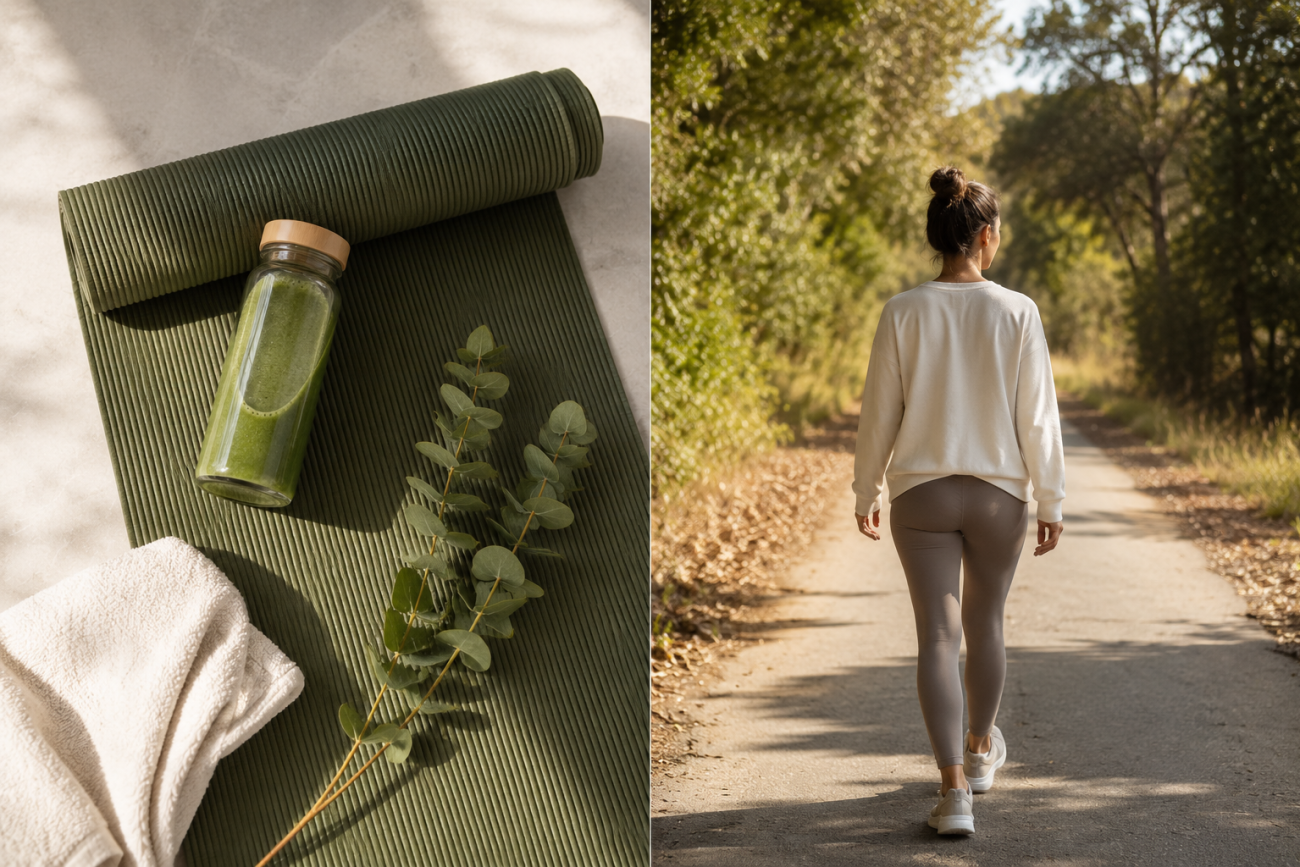
For years, wellness had a very specific look. The green juice, the yoga mat, the linen everything, the $40 adaptogen latte. It was aspirational in a way that was also quietly exhausting — because performing wellness required as much energy as the thing it was supposed to cure.
What’s replacing it is harder to photograph but more honest. It’s the person who left the dinner early because they needed sleep, not because they were practicing some protocol. It’s the week of simple cooking instead of elaborate meal prep. It’s the decision to take a walk without a podcast, not because silence is a wellness practice but because the walk is actually pleasant without narration.
Intentional living — the phrase that has become the umbrella for all of this — is about designing a life based on what you actually value rather than what looks good from the outside. It prioritizes deliberate choices over autopilot habits. It asks: does this add something real? Or is this just noise dressed up as self-improvement?
What This Means for How We Travel, Dress, and Live
The lifestyle filter extends everywhere once you start applying it.
In travel, it looks like shoulder season trips that prioritize restoration over accumulation. The destination chosen because of how it feels, not how it photographs. The hotel that offers genuine quiet rather than an impressive amenity list. This is why hushpitality — the deliberate design of calm into hospitality spaces — is the defining travel trend of 2026. Travelers are choosing differently because they’ve started applying the wellness filter to where they go, not just how they treat their bodies when they get there.
In fashion, it looks like the same restraint that’s defining summer 2026 — fewer pieces, better quality, the CBK approach of knowing exactly what you want and buying it once. The lifestyle filter applied to a wardrobe means stopping the cycle of trend-chasing that leaves you with a full closet and nothing to wear.
In daily life, it means the small decisions that compound quietly over time. The morning that starts without a screen. The meal that’s eaten at a table. The evening that ends at a reasonable hour without guilt. None of these are dramatic. That’s the point.
The New Luxury
Wellness in 2026 has reframed what luxury actually means. The ultimate status symbol, as one wellness summit report put it, is no longer working harder — it’s recovering smarter. It’s having a life structured around what sustains you rather than what depletes you.
That’s not a retreat you book twice a year. That’s a filter you apply every day.
The good news: it doesn’t require a subscription, a new supplement, or a morning routine that starts at 4am. It requires a question, asked repeatedly and honestly: does this add to my life, or does it cost me something I don’t have to give?
Start there. The rest follows.
What does wellness actually look like in your daily life right now — not the aspirational version, the real one? Find me on Instagram @angelica_e