Fashion loves a headline.
Every March the industry fills with lists celebrating “women designers changing fashion.” The intention is admirable, but the framing often misses the point.
The most interesting designers working today are not influential simply because they are women. They are influential because they are reshaping how fashion functions — how clothing moves through real lives, how brands are built, and what luxury actually means today. Fashion is an ecosystem shaped by more than runway moments — buyers, editors, ateliers, and the women who ultimately wear these clothes all influence what endures.
After a February that forced me into an unexpected pause, I’ve been thinking a lot about what remains when the noise quiets down. When the trend cycle slows and you start looking more closely at the clothes themselves.
In moments like that, certain designers stand out.
Not because they are the loudest voices in fashion, but because their work carries clarity. Their ideas are precise, their aesthetics intentional, and their clothes feel designed for lives that extend far beyond the runway.
These are the designers I find myself returning to lately.
Norma Kamali — Longevity as Innovation
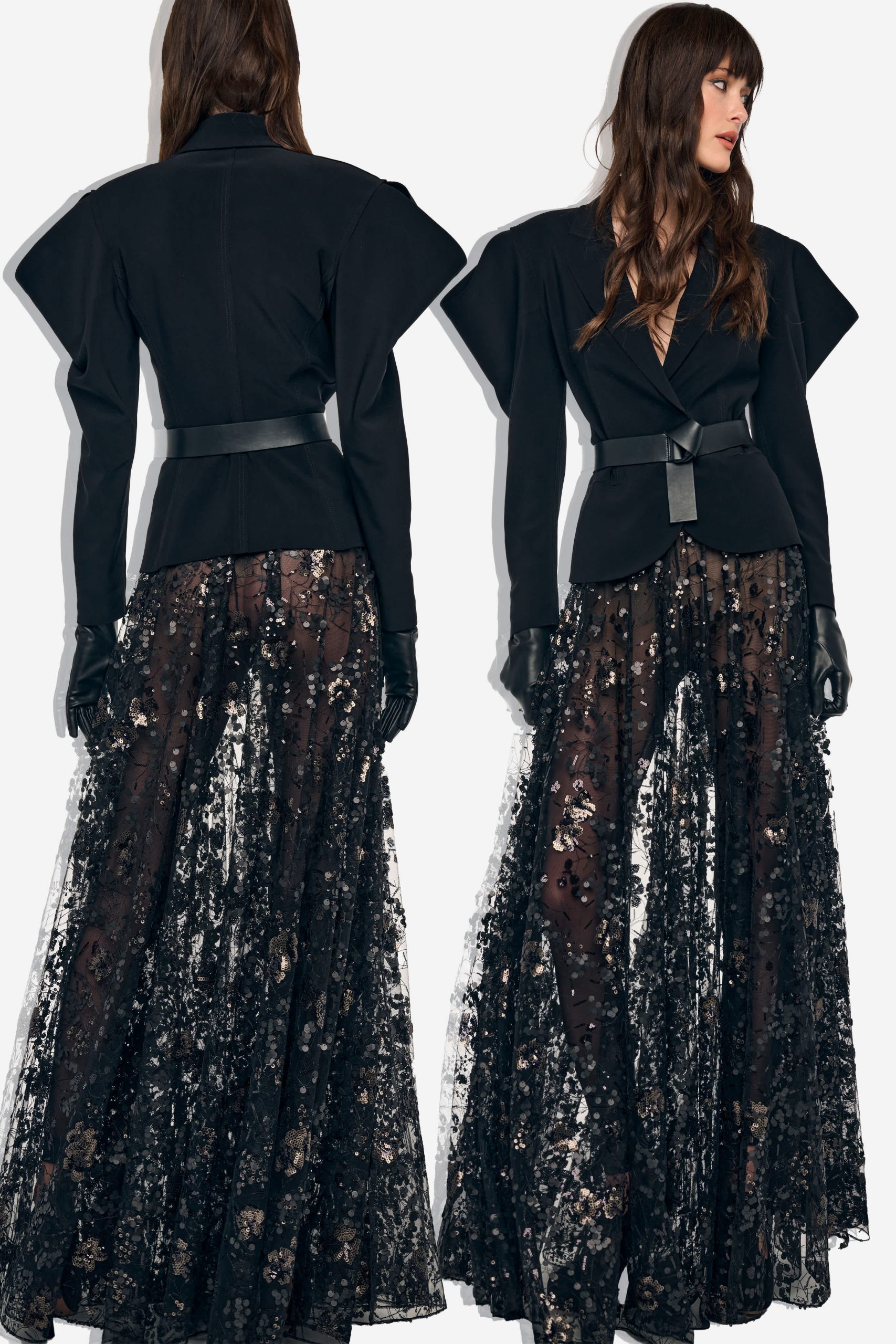
Few designers can claim the kind of cultural longevity Norma Kamali has achieved.
Decades into her career, Kamali continues to design clothing that feels both recognizable and relevant — a rare balance in an industry that often rewards novelty over consistency.
What makes her work powerful is its clarity of purpose. Her silhouettes are strong, feminine, and adaptable. They move with the body rather than against it, and perhaps most importantly, they’re designed to live in real wardrobes.
Kamali understood early on that fashion shouldn’t only belong to the runway or the editorial page. It should exist in the everyday lives of women — and she has spent decades proving that point.
In a moment when the industry is rediscovering the value of longevity, Kamali stands as a reminder that timelessness isn’t the absence of creativity — it’s the result of mastering it.
Miuccia Prada — The Architect of Modern Taste
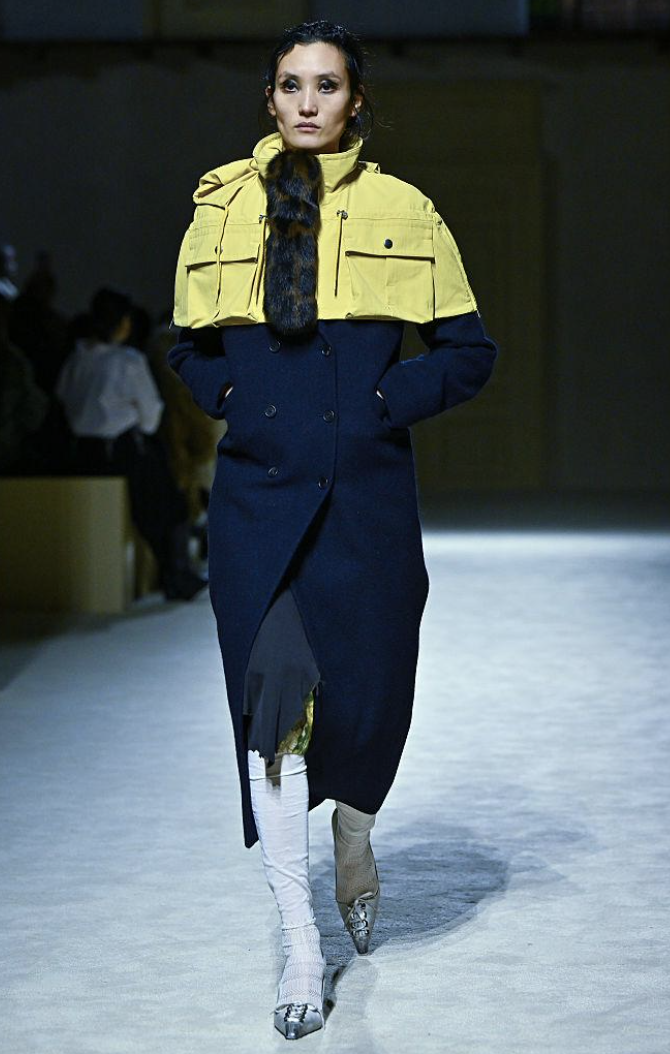
If one designer can be credited with shaping the intellectual conversation of fashion over the past several decades, it is Miuccia Prada.
Prada doesn’t simply respond to trends. She creates the framework that makes them possible.
Season after season her collections challenge conventional ideas of beauty, femininity, and luxury. Sometimes the ideas feel ironic, sometimes deliberately awkward, sometimes quietly elegant — but they are always thoughtful.
What Prada understands better than almost anyone is that fashion is not just visual. It is cultural language.
When Prada explores a silhouette or styling idea that feels slightly “off,” the industry often follows — sometimes years later.
Her influence extends far beyond the garments themselves. In many ways, Prada’s greatest contribution to fashion is not a particular aesthetic but her ability to move the entire conversation forward.
Daniella Kallmeyer — A New Language of Power Dressing
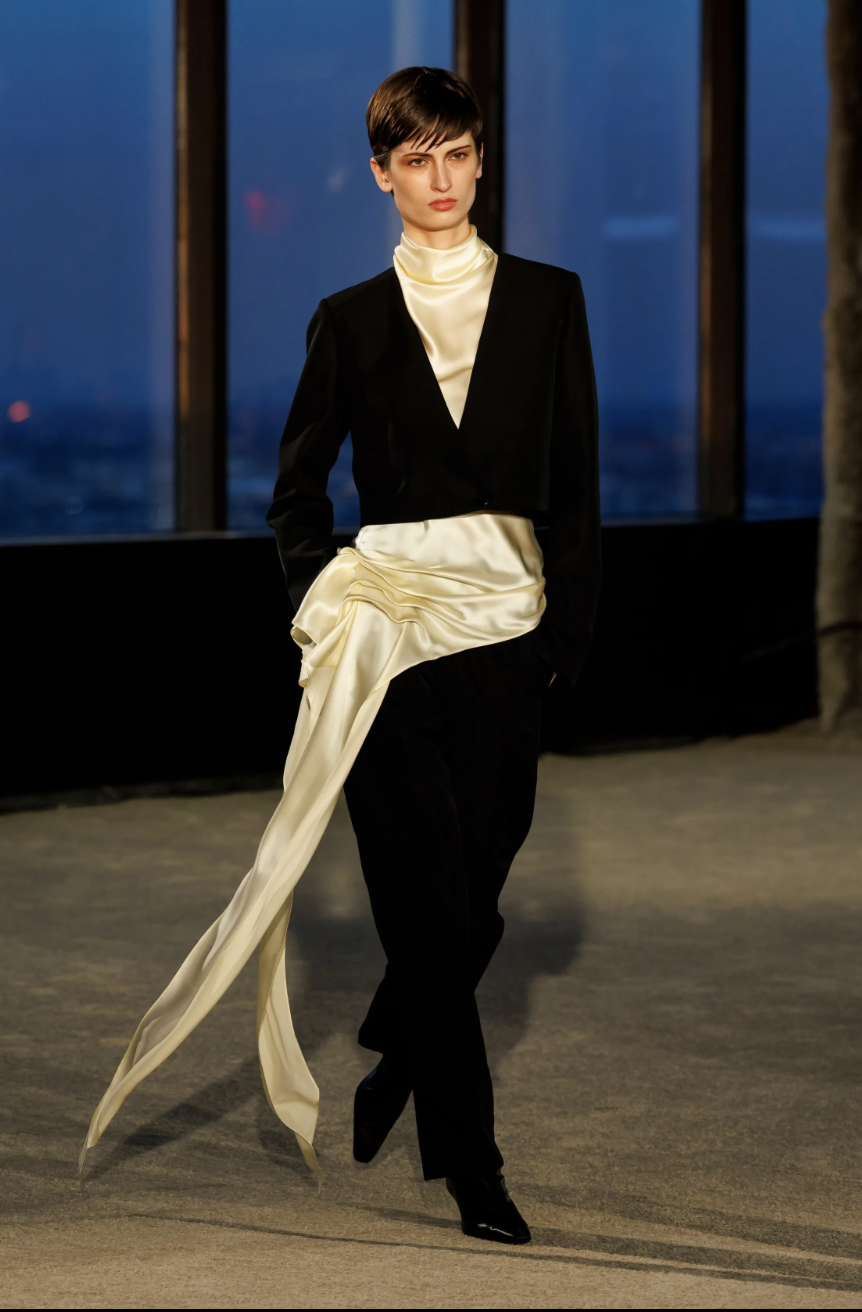
Power dressing once meant sharp shoulders, rigid tailoring, and a kind of visual armor.
Daniella Kallmeyer has quietly rewritten that definition.
Her tailoring is precise, but never stiff. Structured, yet relaxed. The clothes carry authority without demanding performance.
It’s the kind of wardrobe I find myself drawn to more and more — pieces that feel intelligent and composed without looking overly styled.
Kallmeyer’s wide trousers, fluid suiting, and perfectly cut shirts seem designed for women who are already in charge of their lives. They don’t need clothing to prove it.
The result is a form of power dressing that feels distinctly modern: strength expressed through restraint.
Rachel Scott — Craft as Cultural Storytelling
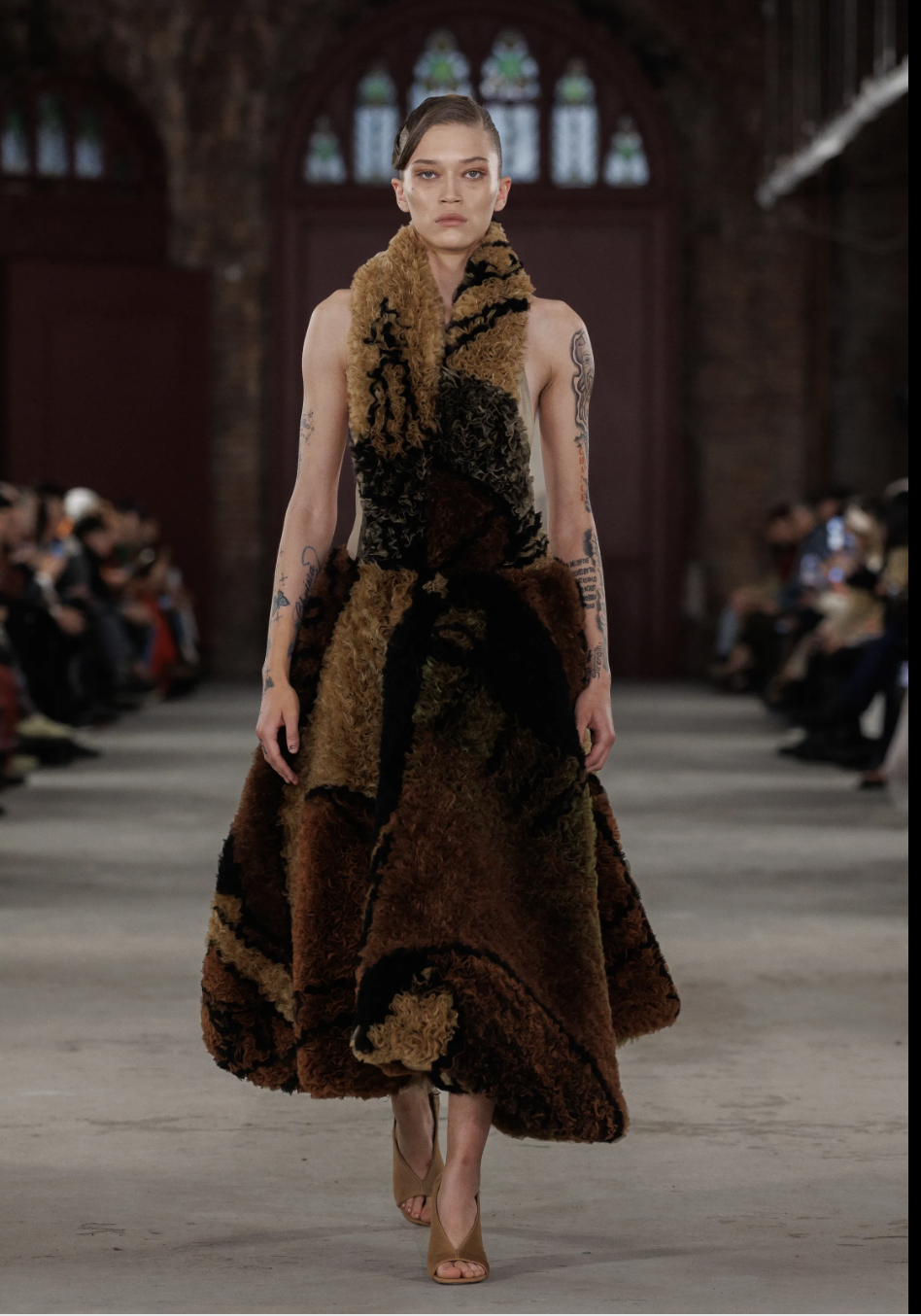
Through her label Diotima, Rachel Scott has introduced something deeply meaningful back into fashion: craft as narrative.
Scott’s collections draw on Caribbean heritage and traditional crochet techniques, translating them into garments that feel both contemporary and timeless.
The pieces are intricate and sensual, yet never fragile. They carry the quiet confidence of something made with care.
Scott’s influence is already expanding beyond her own label. She was recently announced as the incoming creative director of Proenza Schouler, one of American fashion’s most respected houses.
The move signals something important about the direction of the industry. Designers like Scott are being recognized not just for aesthetic innovation, but for the cultural depth and craftsmanship they bring to fashion.
Through Diotima, she reminds us that clothing can carry story, heritage, and intimacy all at once.
Gabriela Hearst — Luxury That Reflects Real Life
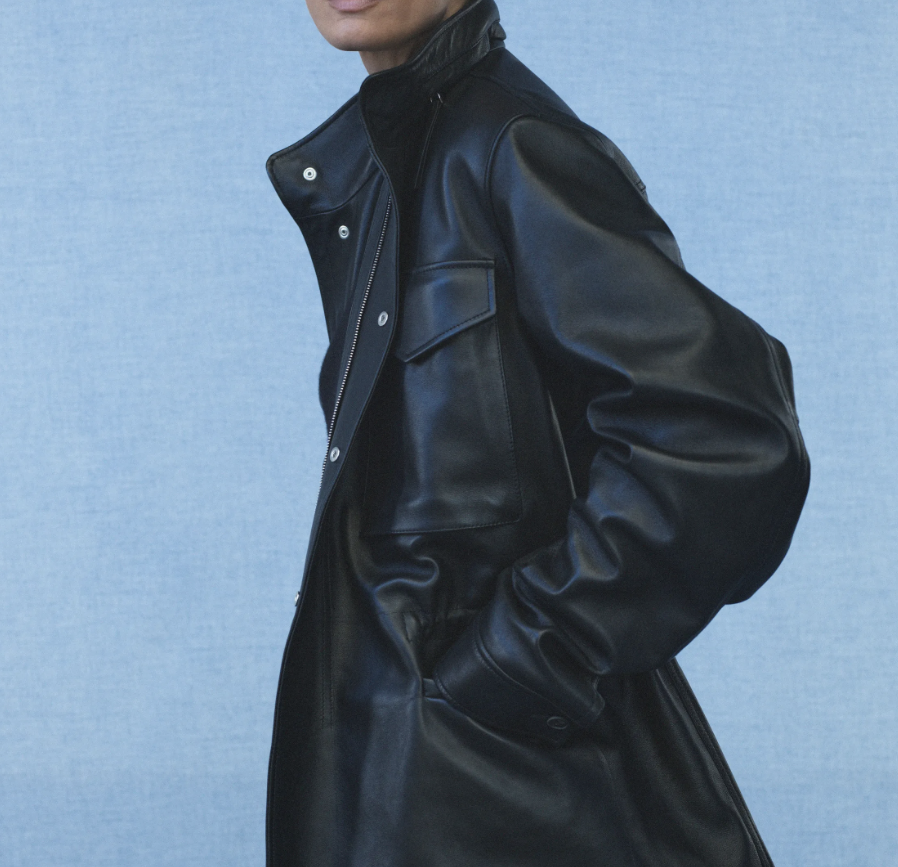
Gabriela Hearst represents a different kind of luxury — one grounded in responsibility and longevity.
Her designs are refined, thoughtful, and quietly sensual, often built around exceptional materials and meticulous construction.
But what resonates most about Hearst’s work is how naturally the clothes exist within real wardrobes.
These are pieces meant to be worn repeatedly, styled differently, lived in. They are luxurious not because they shout their value, but because they hold up over time.
In many ways, Hearst reflects a broader shift happening across fashion. Luxury today is less about spectacle and more about intention — knowing where something comes from, how it was made, and why it deserves a place in your wardrobe.
Grace Ling — The Future Taking Shape
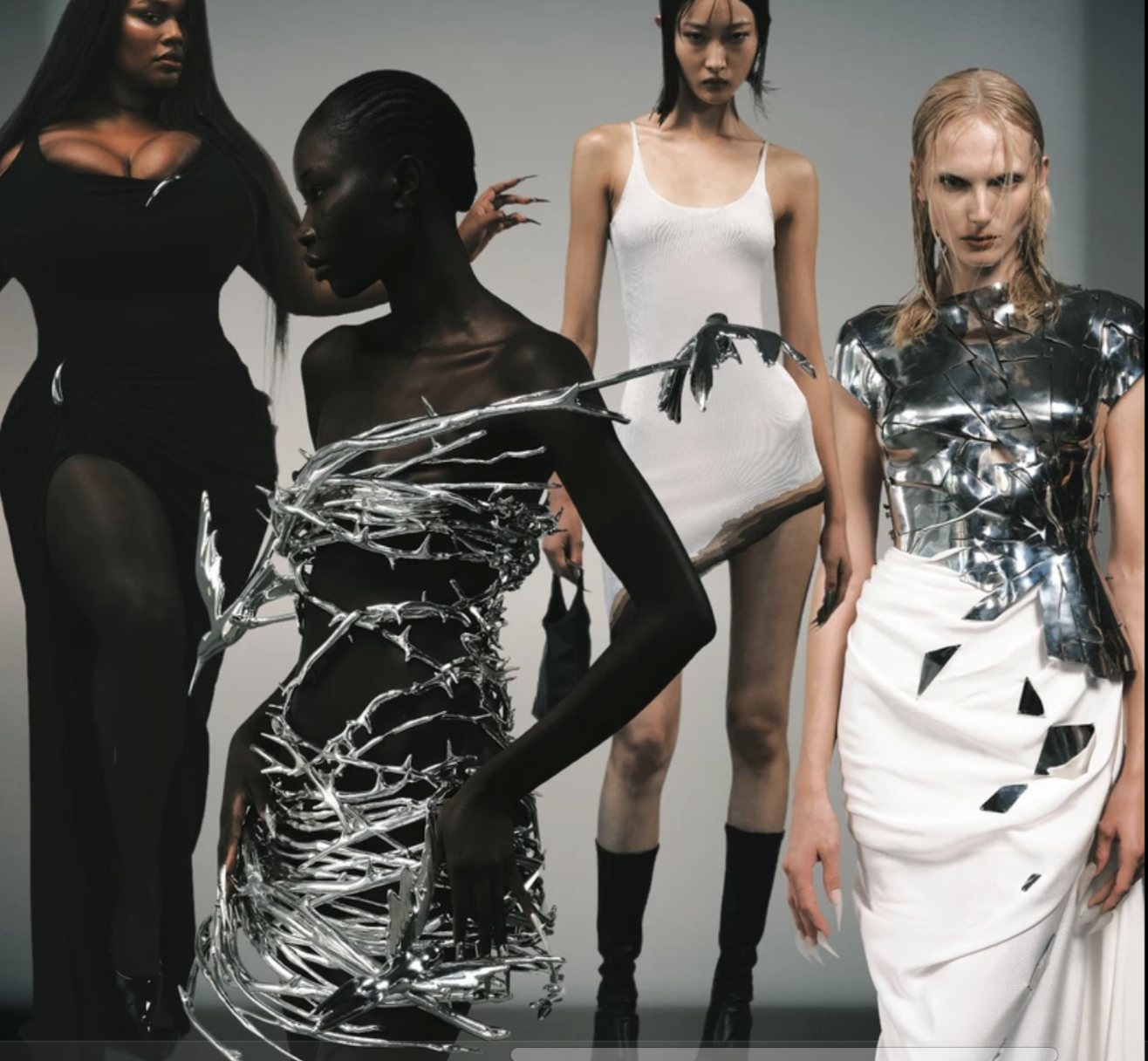
At the other end of the spectrum is Grace Ling, a young designer whose work pushes fashion toward entirely new territory.
Ling’s garments often resemble sculpture as much as clothing, incorporating metallic structures, futuristic silhouettes, and experimental techniques that blur the line between fashion and engineering.
Her work reflects a generation of designers approaching fashion through a multidisciplinary lens — merging technology, digital design, and traditional garment construction.
While many of her pieces exist at the conceptual edge of fashion, they signal something important about where the industry may be headed.
Fashion’s future will not only be about fabric and tailoring. It will also involve innovation, technology, and new ways of imagining the relationship between body and garment.
The Shift Happening in Fashion
Taken together, these designers reflect a shift happening quietly across fashion.
The industry may still be driven by spectacle and speed, but the designers shaping its future are often working in a different register entirely — one defined by longevity, craft, and clarity of vision.
In a season where I’ve been thinking a lot about editing — in wardrobes and in life — these designers feel like a reminder of what fashion looks like when it’s built to last.
The Conversation Is Ongoing
Fashion is never shaped by one season or one collection.
It evolves through conversation — between designers, editors, and the women who ultimately live in these clothes.
As Women’s Month continues, I’ll be exploring more of the voices shaping that conversation today — from emerging designers to the tastemakers influencing how fashion moves through culture.
And as always, I’m curious to see which designers readers are paying attention to right now.